Hard Water
How Mineral Buildup Shortens the Life of Your Fixtures
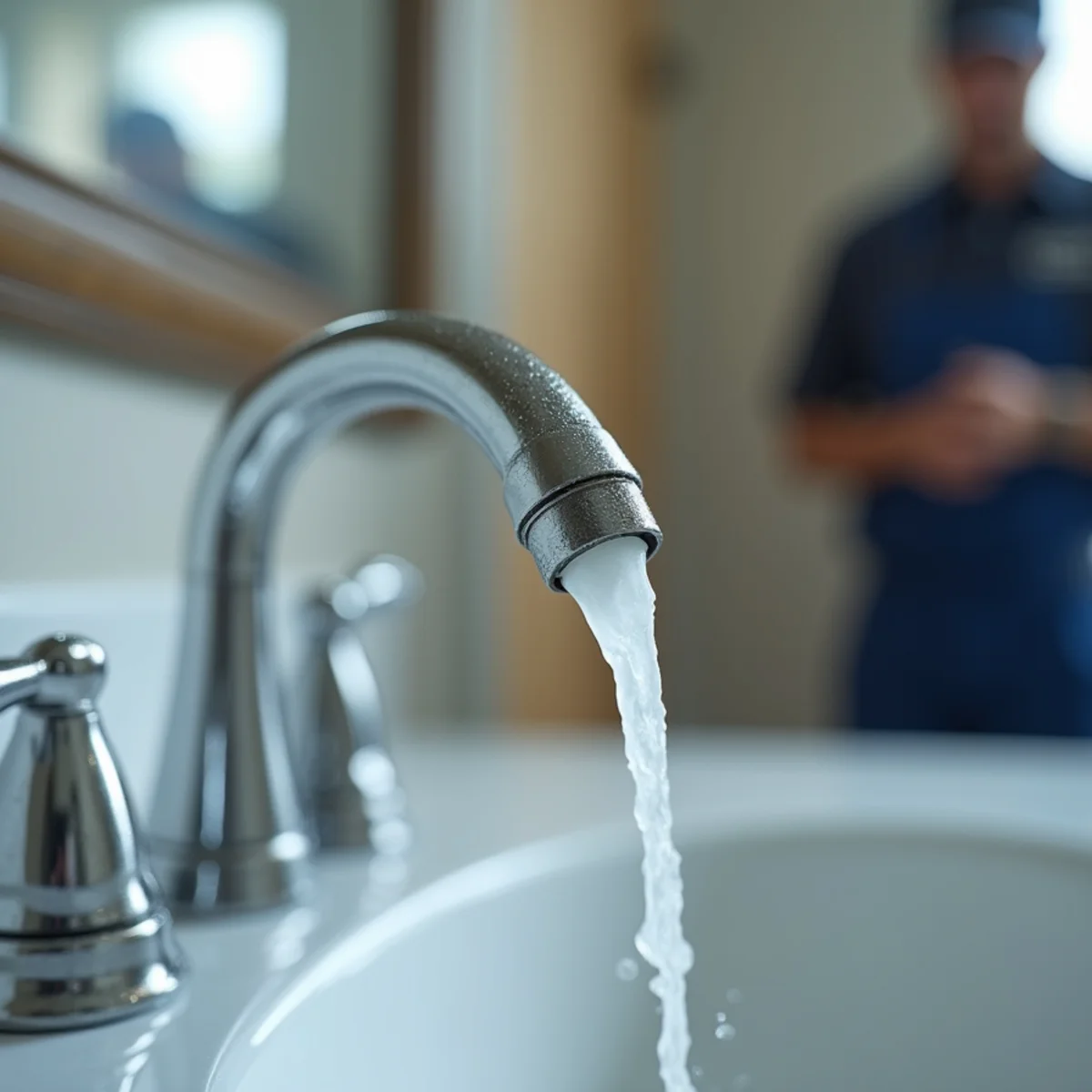
Fixtures are where hard water shows up first. Most of what looks like a broken faucet in this village is actually a mineral problem — and that changes the fix.
Faucets, shower valves and toilets are the parts of your plumbing you actually touch, which makes them the earliest warning system for what the water is doing everywhere else.
In Lake in the Hills, most fixture failures are not really failures. They are mineral problems wearing a failure costume — and the difference matters, because it changes whether the answer is a rebuild kit or a new fixture.
Where the scale actually forms
Mineral deposits build up anywhere water sits still, changes direction sharply, or evaporates. In a fixture, that means four specific places.
- The aerator. That little screen at the tip of the faucet is a mineral trap. It is also the single most common cause of 'my faucet lost pressure' calls.
- The cartridge. Inside every modern faucet and shower valve is a cartridge with small moving parts and rubber seals. Scale on those surfaces makes handles stiff and prevents proper sealing.
- The valve seat. The machined surface a cartridge seals against. Mineral pits it, and once pitted, no new cartridge will fully stop a drip.
- The shower head. Individual spray openings clog one at a time until half the head sprays sideways and the rest dribbles.
The symptoms, decoded
A stiff or grinding handle means scale inside the cartridge. This is a warning, not just an annoyance — keep forcing it and you will snap the stem inside the valve body, turning a twenty-minute cartridge job into a wall-opening job.
A faucet that drips no matter how hard you crank it means the seat or the seals are compromised. Cranking harder damages the mechanism further and does not help.
A shower that has two temperatures and nothing in between means the balancing spool inside the valve has scaled and can no longer modulate. That is a cartridge replacement in most cases.
Low flow from one fixture only is nearly always the aerator or the shower head, and it is the easiest fix in plumbing.
A toilet that runs intermittently usually means scale has roughened the flapper seat or the fill valve seal so it no longer seats cleanly. A silent running toilet can waste hundreds of gallons a day.
The ten-minute maintenance that prevents most of it
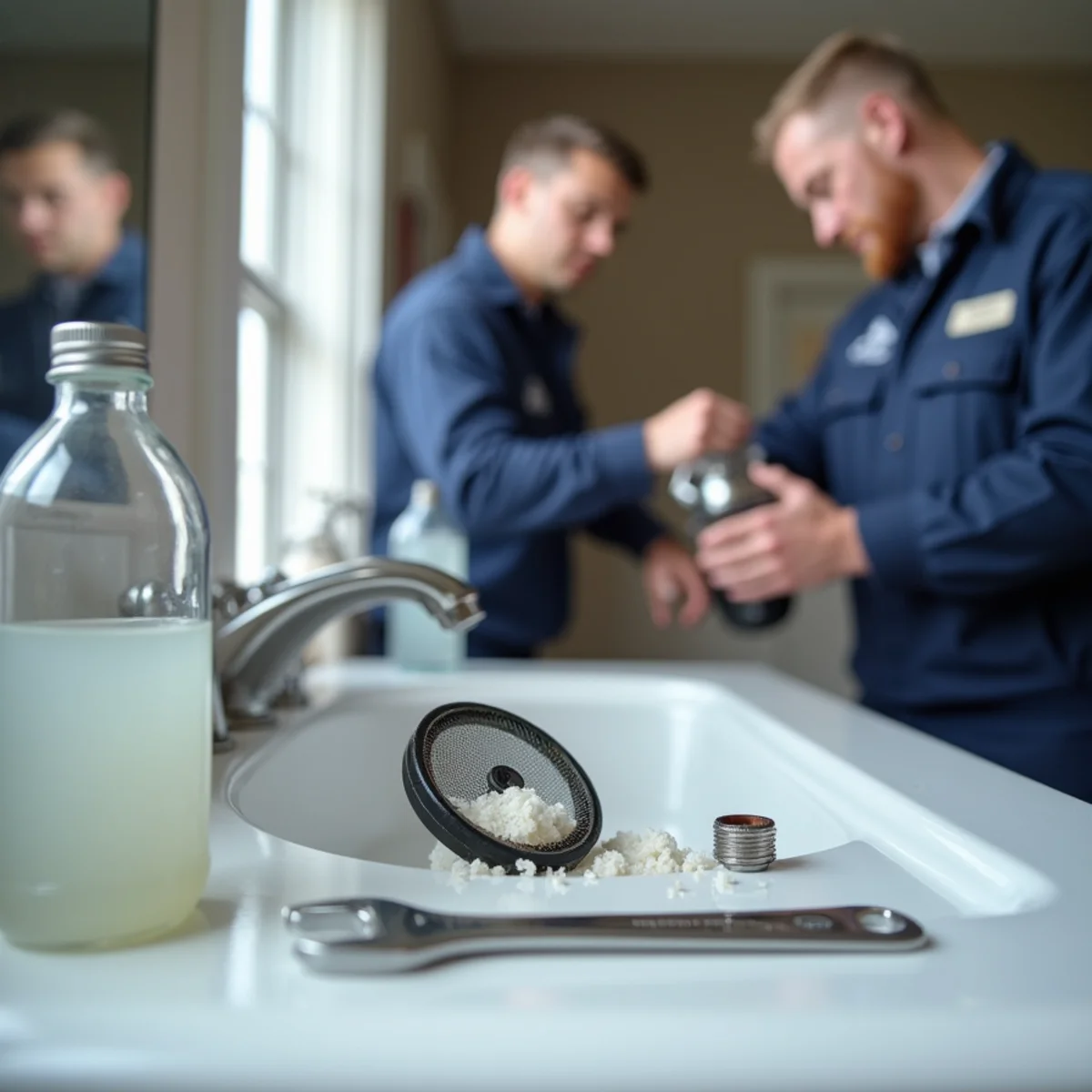
Twice a year, unscrew every faucet aerator and drop it in a cup of white vinegar for an hour. Brush it, rinse it, put it back. Do the same for shower heads by rubber-banding a bag of vinegar over the head and leaving it overnight.
That single habit prevents the majority of low-flow complaints we get called about, and it costs nothing but a bottle of vinegar.
While you are at it, exercise every shutoff valve in the house once a year — turn it fully closed and back open. Valves that never move are the ones that seize, and a fixture stop that will not close is what turns a small drip into a whole-house shutdown at the worst possible moment.
Buying fixtures that survive this water
Not all fixtures age equally here, and a few choices at purchase time make a real difference over ten years.
For faucets, look for ceramic disc cartridges and solid brass bodies. Buy from a plumbing supplier where you can — big-box versions of the same model number sometimes use plastic internals where the supply-house version uses brass.
For toilets, prefer a standard flapper and fill valve you can buy parts for anywhere over a proprietary mechanism that will be discontinued in six years.
For showers, a pressure-balancing or thermostatic valve from a brand with a long parts history matters far more than the finish. In ten years you will want a cartridge, not a remodel.
And on finish: polished chrome hides water spots better than anything else. Matte black and brushed gold look wonderful in the showroom and show every mineral deposit in a 27-grain house.
When repair beats replacement
A quality faucet with a scaled cartridge deserves a cartridge, not a landfill trip. We stock common cartridges and rebuild kits, and a rebuild costs a fraction of a new fixture plus installation.
Replacement makes sense when the valve seat is pitted beyond serviceability, when parts are genuinely discontinued, or when the fixture was inexpensive plastic-bodied hardware to begin with.
Either way, the fixture is the symptom. If yours are seizing across the whole house on the same schedule, the water is the cause — and a properly sized water softener is what stops the cycle. Our fixture repair and installation page covers the repair side in more depth.
Quick answers
Why do my faucet handles get stiff over time?
Mineral scale builds up inside the cartridge, binding the moving parts. It is a warning sign — forcing a stiff handle can snap the stem inside the valve body and turn a simple cartridge replacement into a much larger repair.
Can I clean scale off a faucet without damaging the finish?
White vinegar dissolves mineral deposits and is safe on chrome. Avoid abrasive pads and acid-based cleaners on brushed, matte or living finishes — they strip the coating and the damage is permanent.
How long should a faucet last in hard water?
The body can last decades; the cartridge is the wear item. In Lake in the Hills water, plan on cartridge service every three to five years rather than the seven to ten you would expect in softer water.
Need a hand with this?
Talk to the plumber who wrote this
We are a licensed, owner-operated shop on Pine Street in Lake in the Hills. Free written estimates on non-emergency work, and a real person answering the phone when it cannot wait.
- 5.0 from 11 Google reviews
- Licensed & insured
- 24/7 emergency service