Water Heater Repair & Installation
Repair, replace and protect tank water heaters — with the sediment and anode work our 26–28 gpg water actually demands.
Learn more
Artisan Water Group
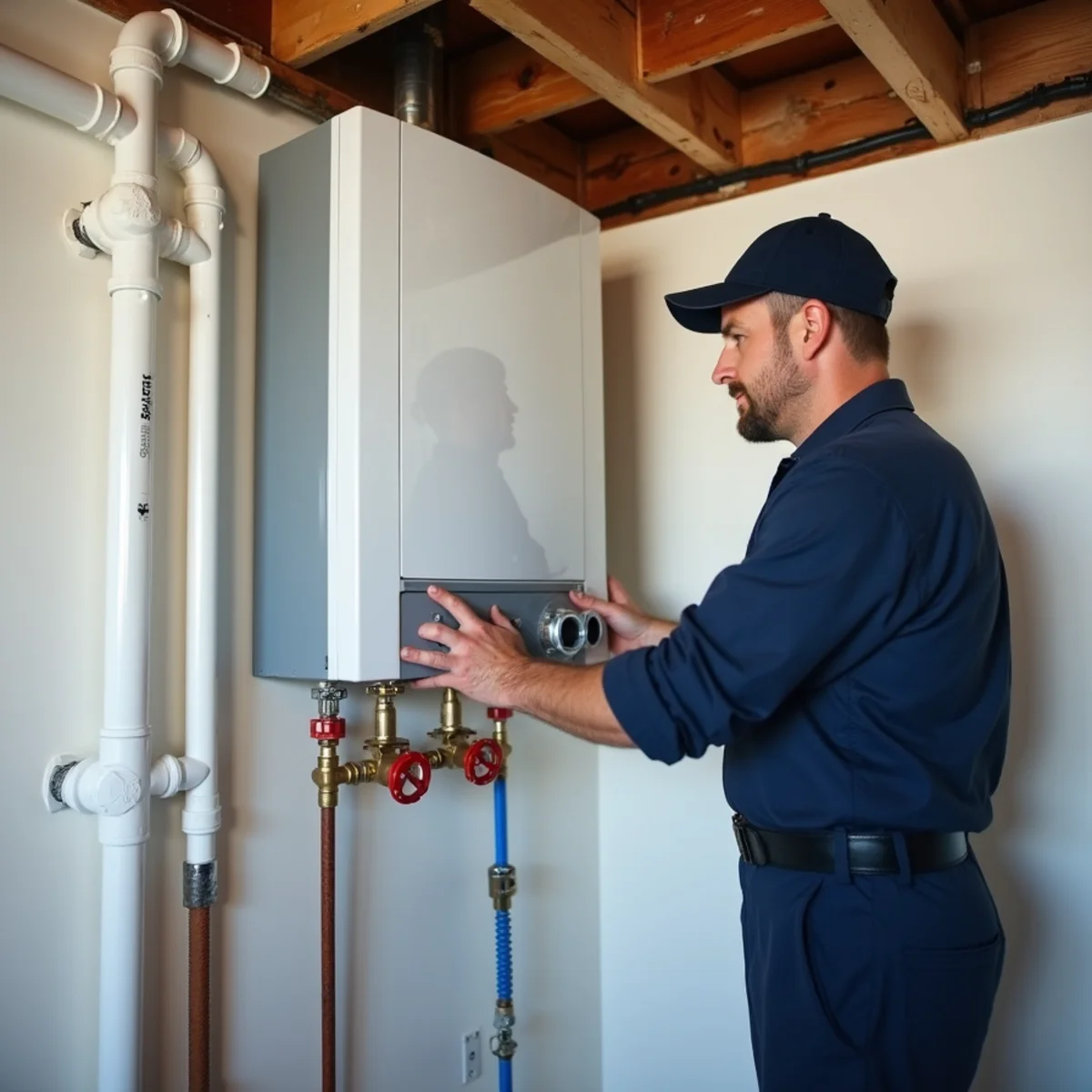
A tankless water heater heats water as it passes through a compact heat exchanger, so you never run out and you never pay to keep 50 gallons hot at 3 a.m. Done right, it lasts around twenty years — nearly double a tank. Done wrong in Lake in the Hills water, it starts throwing error codes in year three.
Need this handled today? Call and a real person answers — nights, weekends and holidays included. You get the price before we start.
The difference is entirely in the details of the install. The heat exchanger's passages are narrow by design, which is what makes it efficient and also what makes it vulnerable. Push 27-grain water through it untreated and mineral builds on those walls until flow drops and the burner short-cycles.
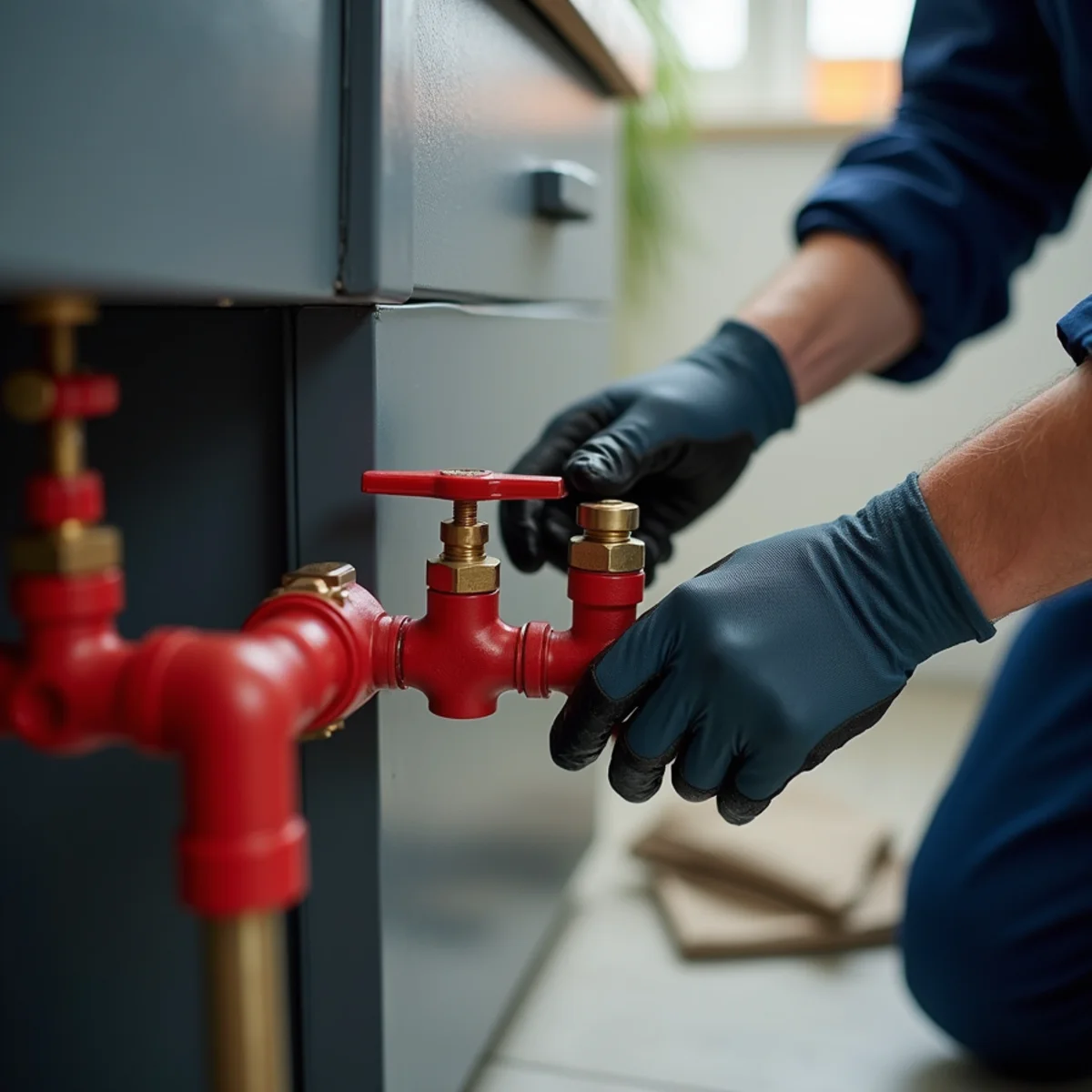
So we install tankless the way it should be installed here: adequate gas supply, correct venting, isolation valves on both sides for servicing, and a scale strategy — either whole-home softening or dedicated pre-treatment. Then we set you up with a descaling schedule that matches our actual water, not the manual's generic annual note.
Tankless is excellent in the right home and a headache in the wrong one. Here is how to tell which you have.
Back-to-back showers, a soaking tub that drains the tank, teenagers. This is the classic case where tankless solves a daily annoyance rather than just saving a few dollars.
A tankless unit hangs on the wall in roughly the footprint of a carry-on suitcase. In a tight utility room or a finished basement, that is real square footage.
The payback math works over ten-plus years. If you are selling in two, a standard tank is the better financial move and we will say so.
A tankless unit can call for 150,000 to 199,000 BTU. Many Lake in the Hills homes were piped for a 40,000 BTU tank plus a furnace. That often means upsizing the line from the meter — a real cost that has to be in the quote.
This is the deal-breaker. Without softening or dedicated pre-filtration, a tankless unit in this water will need frequent descaling and will not reach its rated life. If treatment is off the table, stay with a tank.
Condensing units vent with PVC and can run a reasonable distance to a sidewall or roof. If there is no practical path from where the unit needs to hang, that changes the plan.
There are more moving parts than a tank swap, and skipping any of them is where the horror stories come from.
We measure the existing line, count every appliance on it, and calculate whether it can deliver the unit's rated BTU at the required pressure. If it cannot, upsizing the run is part of the quote — not a surprise on install day.
Tankless is sized in gallons per minute at a given temperature rise. Groundwater here runs cold in February, which means a bigger rise and less usable flow. We size for your worst month, not the brochure's best case.
Whole-home softening is the best answer because it protects every appliance. Where that is not practical, we install dedicated scale-inhibiting pre-treatment ahead of the unit.
Unit mounted securely at serviceable height, condensate handled and neutralized on condensing models, sealed-combustion venting run to spec, and isolation valves with service ports installed on hot and cold.
Set the output temperature, verify gas pressure under full fire, check combustion and venting, and run every fixture to confirm the unit fires and modulates cleanly.
We show you the isolation valves and exactly how a flush works, then agree on an interval based on your treatment setup. Softened water stretches it considerably; untreated does not.
Manufacturer manuals say to descale annually. That advice assumes water in the 7 to 10 grain range. Ours runs 26 to 28.
On a tankless unit fed by softened water, an annual descale is genuinely enough, and many units in softened homes stay clean longer than that. On a unit fed raw Lake in the Hills water, you are looking at every six months minimum — and even then you are fighting the chemistry rather than managing it.
The flush itself is not complicated: close the isolation valves, circulate a food-grade descaling solution through the exchanger for forty-five minutes or so, rinse, and put it back in service. We do it as a scheduled visit, or we will show you how to do it yourself if you are handy. Either way, the valves have to be there — which is why we install them on every unit, even when the homeowner has not asked.
It will eliminate standby loss. A tank reheats itself around the clock whether anyone is home or not; a tankless unit uses gas only when a tap is open. For a typical family that is a meaningful but not dramatic reduction on the gas bill.
It will not lower your water bill, and it will not give you instant hot water at a distant fixture — that is a distribution problem, solved by a recirculation loop, not by the heater. Anyone promising instant hot water from a tankless swap alone is overselling.
The real wins are endless capacity, roughly twenty years of service life instead of eight to ten, reclaimed floor space, and no fifty gallons of water waiting to end up on your basement floor. Those are good reasons. Efficiency alone usually is not enough to justify the install cost on its own.
Tankless installs vary more than tank swaps because so much depends on what your house already has.
We quote the whole job — gas, vent, treatment, electrical and permit — in writing before anything is ordered. No install-day surprises.
Yes — with treatment. Install one on raw 26 to 28 grain water and the heat exchanger scales quickly, flow drops, and the unit short-cycles. Pair it with a properly sized softener or dedicated scale pre-treatment and it will run its full life.
Often, yes. Tankless units call for far more BTU at peak than the tank they replace. We calculate the load on your existing piping before quoting, and if an upsize is needed it is in the written estimate up front.
You get the full footprint of the old tank back — typically a two-foot by two-foot area plus clearance. The tankless unit hangs on the wall above it, so in a finished basement that is usable floor space you did not have.
On softened water, once a year. On untreated Lake in the Hills water, every six months at minimum. We install isolation valves on every unit specifically so this stays a routine service rather than a disassembly job.
With a properly sized unit, yes. The limit is gallons per minute at the temperature rise you need, and our groundwater is cold in winter. We size for a February morning rather than a July afternoon so the unit does not disappoint you in the season you will notice.
Often needed together
These come up on the same houses more often than not.
Repair, replace and protect tank water heaters — with the sediment and anode work our 26–28 gpg water actually demands.
Learn moreWhole-home softeners sized for real 26–28 grain water — plus repairs, resin service and salt guidance for the system you already own.
Learn morePermitted, pressure-tested gas line work for ranges, dryers, grills, fire pits and generators — plus leak diagnosis.
Learn moreWorth reading first
Tankless is excellent in the right house and a headache in the wrong one. Here is how to tell which you have, with the northern Illinois specifics.
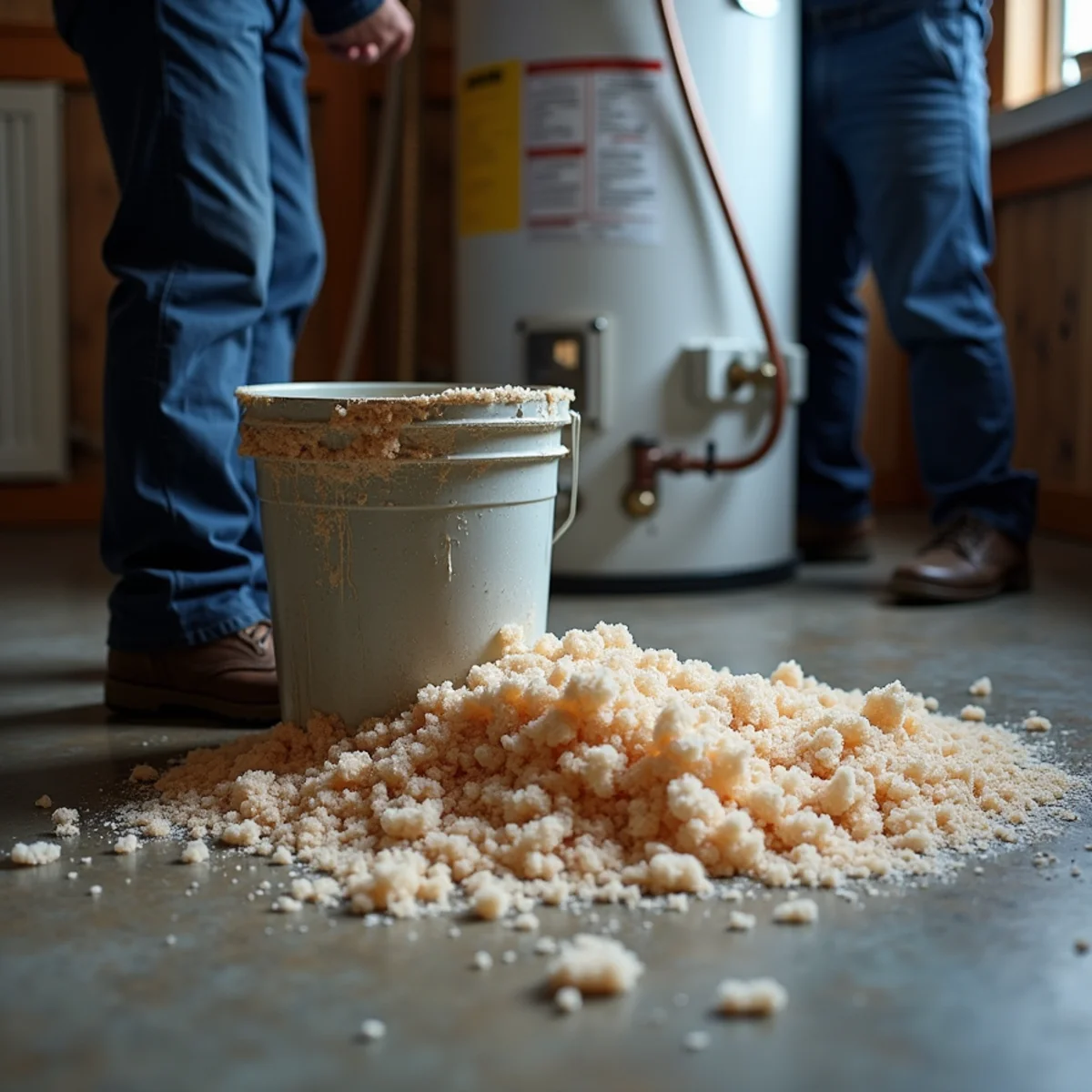
A water heater almost always tells you it is in trouble before it fails. In 26-grain water, those warnings arrive years earlier than the manufacturer expected.
Tankless Water Heater Installation
Call and talk to the person who will do the work. Free written estimates on non-emergency tankless water heater installation, and a price before we start on anything urgent.
Tell us what is going on and we will get back to you with a straight answer. No obligation, no pressure.
5.0 from 11 Google reviewsLicensed & insuredFree written estimates
Our online form is not taking submissions just yet.
Please call (207) 419-2600 instead — a real person answers, nights and weekends included, and we can usually sort it faster on the phone anyway.
We are a licensed, insured, owner-operated shop based on Pine Street in Lake in the Hills. That means the person quoting the job is the person doing it, and nobody here is measured on how much they sold you.
Every recommendation starts with the water. At 26–28 grains per gallon, our supply is roughly six times harder than the national average, and it is the single biggest factor in how long anything in your plumbing lasts. Fixing the symptom without addressing that is how you end up calling someone again in two years.
And when a permit is required — water heaters, sewer work, gas piping — we pull it and show the fee on its own line. Ask every plumber you talk to for the same. Read more in our guide to plumbing permits in McHenry County.