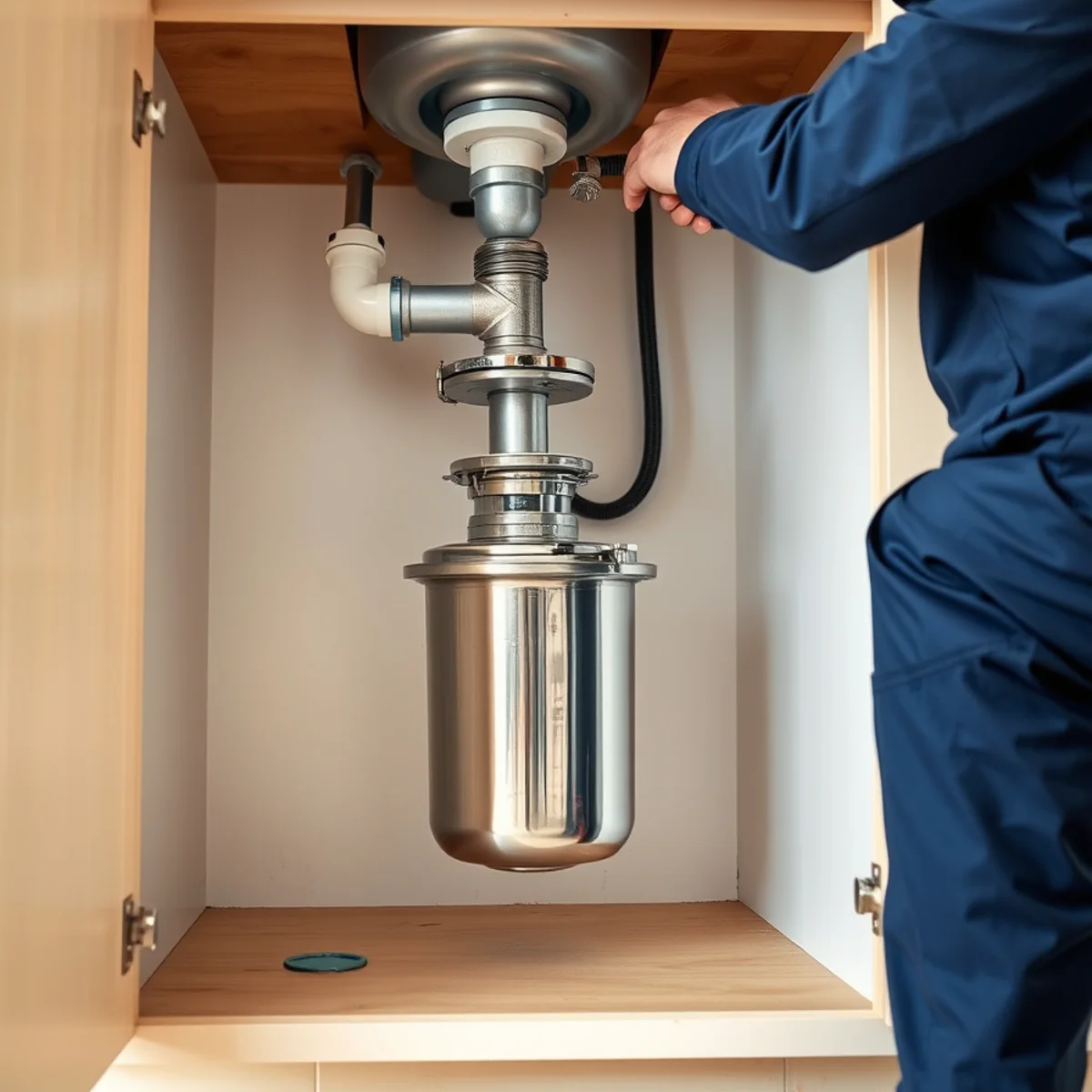
Dishwasher & Appliance Hookups
Dishwashers, washing machines, ice makers and pot fillers connected properly — air gaps, high loops and shutoffs included.
Learn more
Artisan Water Group
Kitchen plumbing gets more use than any other part of the house and the least attention until something goes wrong — usually with a full sink of water and guests due in an hour.
Need this handled today? Call and a real person answers — nights, weekends and holidays included. You get the price before we start.
We handle the whole kitchen side: garbage disposals, sink drains and traps, dishwasher supply and drain connections, refrigerator ice maker lines, pot fillers, and the sink and faucet work that goes with a new counter. It is unglamorous work, and doing it correctly is the difference between a cabinet base that stays dry and one that quietly swells and delaminates over two years.
The most common calls are the same four things: a disposal that hums but will not turn, a slow kitchen drain from years of grease, a dishwasher that will not drain because the air gap or the disposal knockout plug was never handled correctly, and a leak under the sink from a connection somebody hand-tightened.
Some of these are DIY-able. All of them get worse if the cabinet base stays wet.
Something is jammed against the impellers. Never put a hand in there. The reset button and the hex key slot underneath solve many of these — if they do not, the motor has probably seized.
Tripped reset, a dead outlet, a failed switch, or a burned-out motor. Worth diagnosing before buying a new unit, because two of those four are inexpensive.
Grease coats the pipe wall and narrows it over years, and in hard water it binds with mineral into a stubborn layer. Cabling helps; on a badly coated line, jetting is what restores it.
Nearly always a drain issue — a clogged air gap, a blocked disposal inlet, or a knockout plug that was never removed when the disposal was installed. That last one is remarkably common.
A trap connection, a supply line, the sink rim seal, or the disposal's mounting gasket. Find it early and it is a small job; find it late and the cabinet floor is gone.
A clogged saddle valve — a fitting we replace rather than repair — a kinked line, or a frozen supply tube. Old self-piercing saddle valves are notorious for failing closed and then failing wet.
Small jobs, done to the same standard as large ones.
Water in a cabinet can come from four places and travel before it pools. We dry it, run each source in turn, and identify the actual leak instead of tightening things at random.
Kitchen angle stops are usually the oldest valves in the house and the most likely to be scaled shut. We verify they close before starting anything.
Disposals get mounted with a correctly seated flange and sealant, supported so their weight is not hanging on the drain assembly. A disposal hung on its plumbing eventually leaks at the flange.
Knockout plug removed on new disposal installs, a high loop or air gap so drain water cannot siphon back into the dishwasher, and a proper clamp on the drain hose.
Proper slope on the trap arm, no flexible accordion pipe (it collects debris and clogs), and connections tightened correctly rather than over-tightened until the plastic distorts.
We fill both bowls and release, run the dishwasher through a drain cycle, and check every joint dry with a paper towel. Paper towel finds weeps a hand does not.
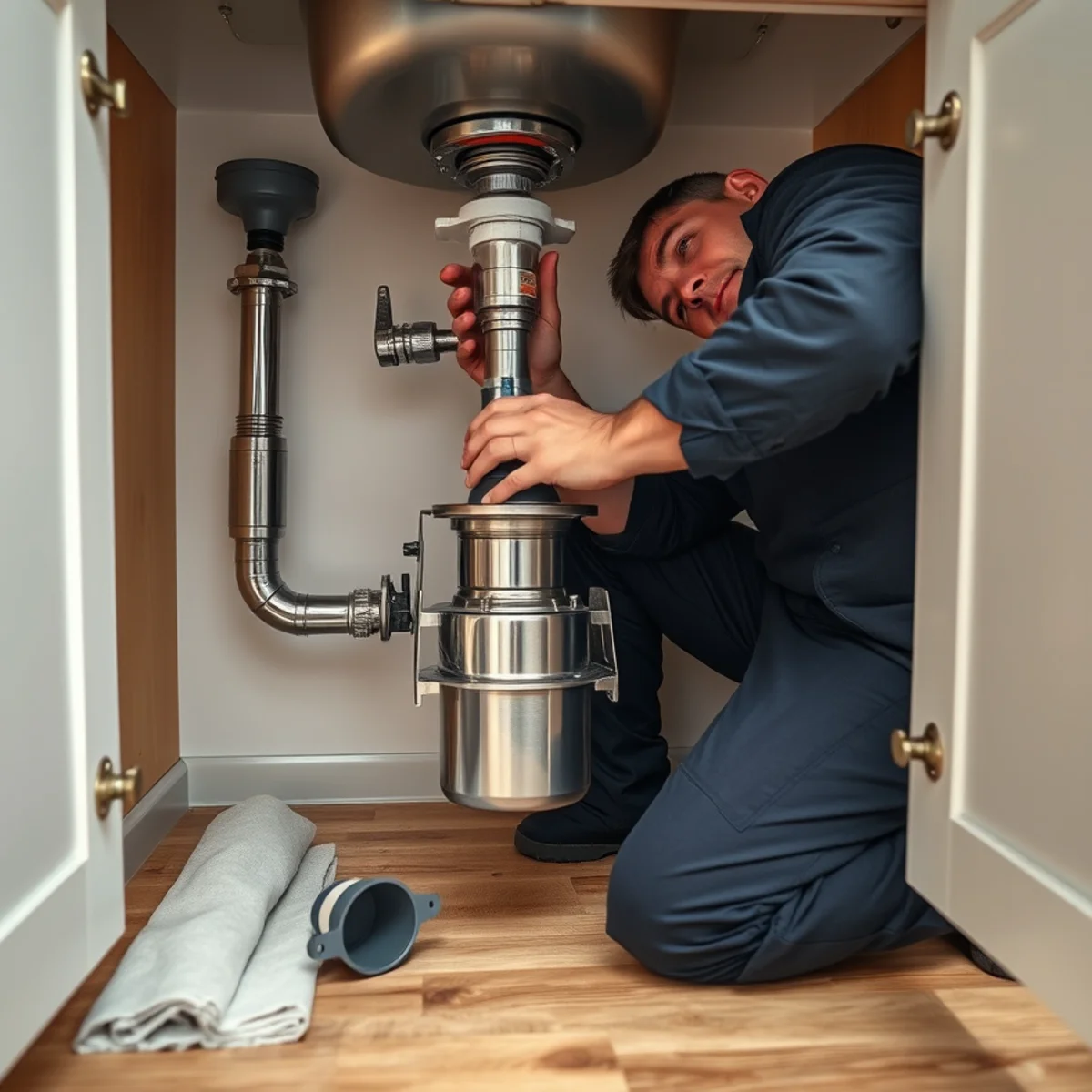
A disposal is a convenience for the small amount of food that comes off plates and out of the sink strainer. It is not a second trash can, and treating it like one is how kitchen branch lines end up coated.
Keep out: grease and cooking oil, which cool and coat the pipe downstream; fibrous vegetables like celery, artichokes and corn husks, which wrap around the impellers; starchy items like pasta, rice and potato peels, which swell and form a paste; coffee grounds, which pack into a dense sludge; bones and fruit pits; and anything that came out of an eggshell membrane.
The right routine: run cold water before, during and for fifteen seconds after grinding. Cold keeps grease solid so it makes it out to the main instead of coating the pipe warm and setting up as it cools. Hot water is exactly backward, which surprises most people. Run the disposal regularly even when you barely need it — a disposal that sits idle for weeks corrodes and seizes.
New garbage disposals ship with a knockout plug sealing the dishwasher inlet, because not every disposal gets a dishwasher connected to it. It has to be knocked out with a punch and the plastic disc retrieved before the dishwasher drain hose is attached.
Skip it and the dishwasher drains into a sealed port. The dishwasher then fails to drain, the homeowner assumes the appliance is broken, and occasionally an appliance tech is paid to diagnose a plumbing installation error. We see it several times a year, always after somebody else's disposal install.
The related detail is the high loop. The drain hose has to rise up and be secured under the counter before it drops to the disposal or the standpipe. Without it, dirty sink water can siphon back into the dishwasher — which is why some machines smell no matter how many cleaning tablets get run through them.
These are among our most predictable jobs, with a few things that change the number.
Kitchen jobs get a price before work like everything else, including any drain clearing we recommend along the way.
Often, yes. Cut the power at the switch, then use the hex wrench that came with the unit in the slot on the underside to work the impellers back and forth until they free up. Then press the red reset button on the bottom. If it still hums, the motor has likely seized and it needs replacement. Never put your hand in the chamber.
Eight to twelve years for a decent unit with normal use. Inexpensive one-third horsepower models often go five to seven. Hard water and infrequent use both shorten the life, because the grinding components corrode when the unit sits idle.
Most often a plumbing issue rather than an appliance one — a clogged air gap on the counter, a blocked disposal inlet, or a knockout plug that was never removed when the disposal was installed. All three are quick to check and quick to fix.
Cold, always. Cold water keeps fats and grease solid so they get flushed out to the main line. Hot water melts them, and they travel a few feet down the pipe, cool, and coat the wall — which is exactly how a kitchen line ends up needing to be jetted.
Yes. We install a proper tee and shutoff rather than an old self-piercing saddle valve, which are notorious for clogging and then leaking. If you have a reverse osmosis system, we can feed the ice maker from it so you get clear ice instead of cloudy.
Often needed together
These come up on the same houses more often than not.
Dishwashers, washing machines, ice makers and pot fillers connected properly — air gaps, high loops and shutoffs included.
Learn moreSink relocation, island drains and vents, pot fillers and appliance connections — planned before the cabinets are ordered.
Learn moreSlow sink, blocked tub, gurgling floor drain — cleared properly, with the cause diagnosed rather than guessed at.
Learn moreWorth reading first
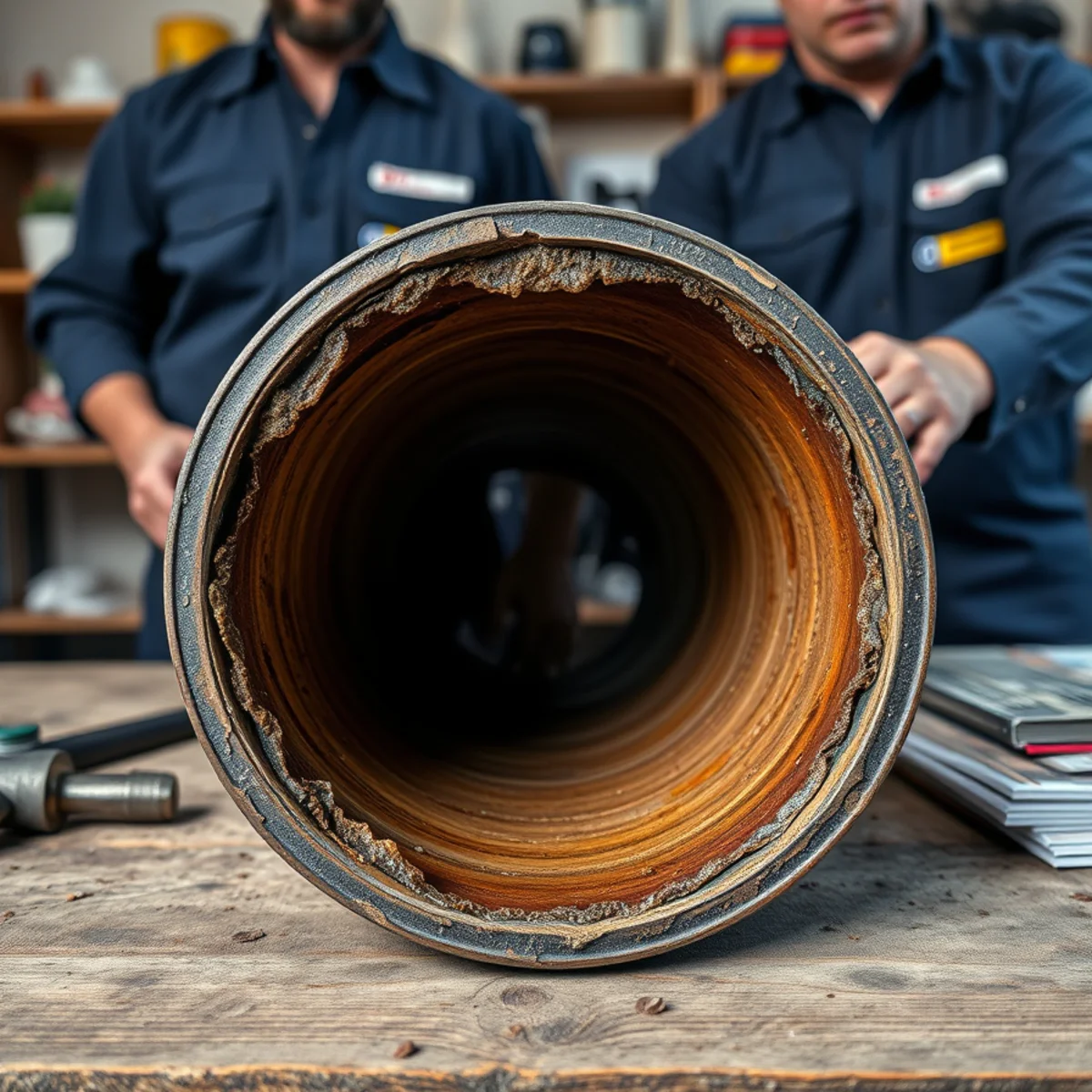
A drain that clogs once is a clog. A drain that clogs every few months is a symptom — and clearing it again is treating the wrong thing.
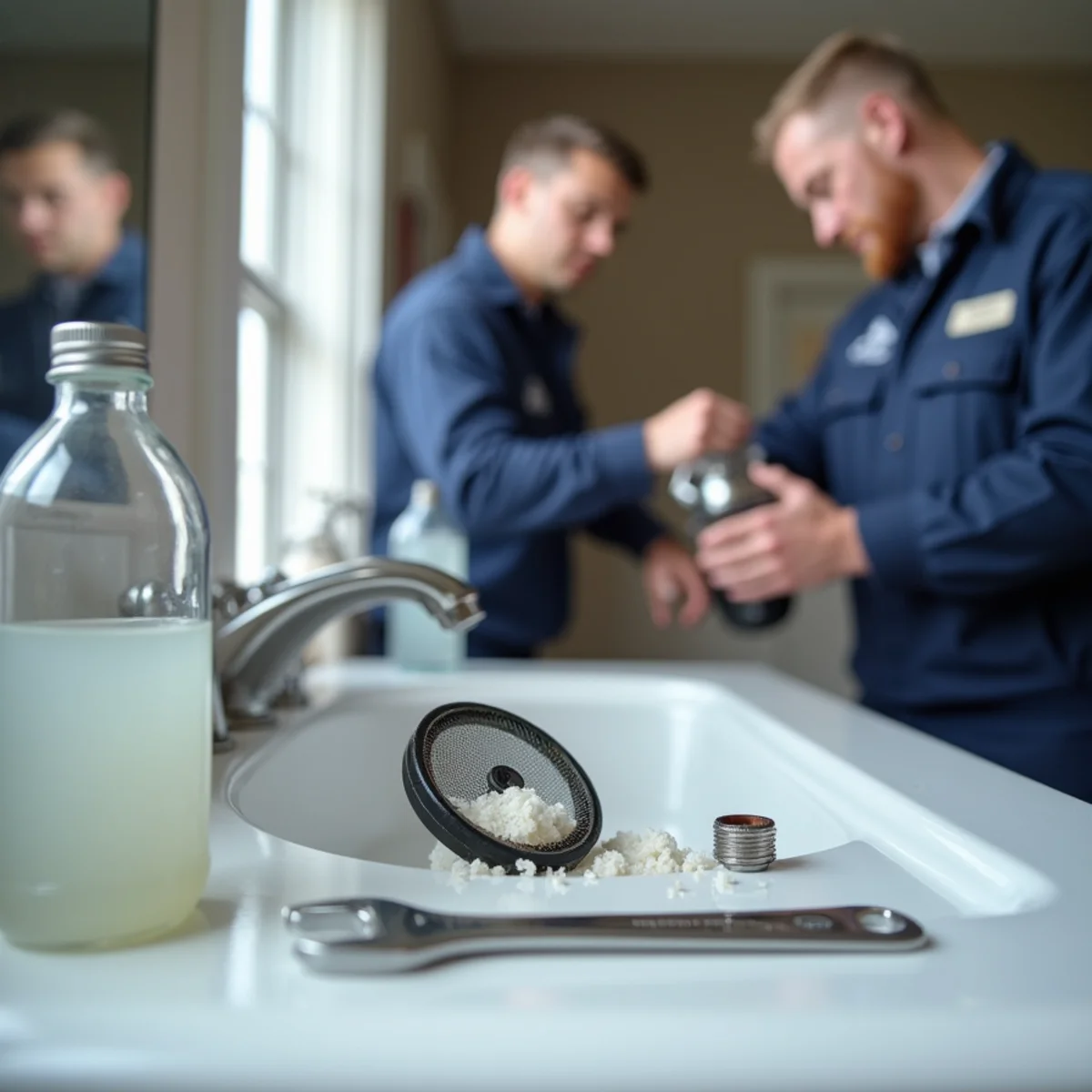
Fixtures are where hard water shows up first. Most of what looks like a broken faucet in this village is actually a mineral problem — and that changes the fix.
Garbage Disposal Repair & Installation
Call and talk to the person who will do the work. Free written estimates on non-emergency garbage disposal repair & installation, and a price before we start on anything urgent.
Tell us what is going on and we will get back to you with a straight answer. No obligation, no pressure.
5.0 from 11 Google reviewsLicensed & insuredFree written estimates
Our online form is not taking submissions just yet.
Please call (207) 419-2600 instead — a real person answers, nights and weekends included, and we can usually sort it faster on the phone anyway.
We are a licensed, insured, owner-operated shop based on Pine Street in Lake in the Hills. That means the person quoting the job is the person doing it, and nobody here is measured on how much they sold you.
Every recommendation starts with the water. At 26–28 grains per gallon, our supply is roughly six times harder than the national average, and it is the single biggest factor in how long anything in your plumbing lasts. Fixing the symptom without addressing that is how you end up calling someone again in two years.
And when a permit is required — water heaters, sewer work, gas piping — we pull it and show the fee on its own line. Ask every plumber you talk to for the same. Read more in our guide to plumbing permits in McHenry County.