Tankless Water Heater Installation
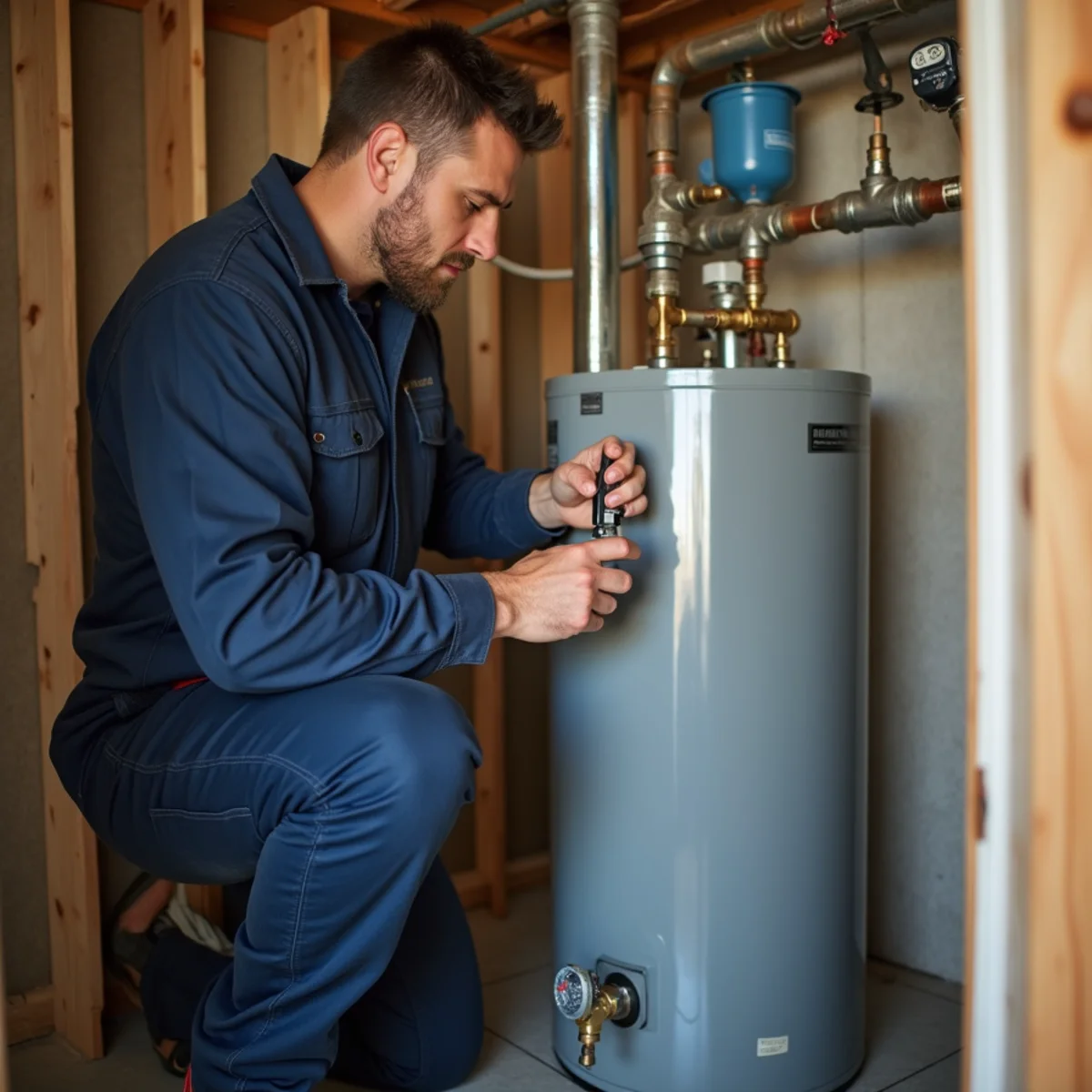
Endless hot water and twenty-year service life — installed with the pre-treatment and flush ports hard water makes non-negotiable.
Learn more
Artisan Water Group
A water heater that should give you twelve years often gives Lake in the Hills eight to ten. That is not bad luck and it is not a bad brand. It is 26 to 28 grains per gallon of dissolved mineral cooking out of solution every time the burner fires, settling on the bottom of the tank, and turning into a rock-hard insulating crust.
Need this handled today? Call and a real person answers — nights, weekends and holidays included. You get the price before we start.
We repair what is worth repairing and replace what is not — and we will tell you which one you have. A three-year-old tank with a bad thermocouple is a repair. An eleven-year-old tank that rumbles like a coffee percolator and gives you fifteen minutes of hot water is a replacement, and stretching it another six months usually ends with a flooded floor.
Every replacement we do includes the things most installers skip: a properly sized expansion tank, a drain pan and line where the location calls for one, new flex connectors instead of reused ones, a correctly pitched vent, and a Village permit pulled and itemized on your invoice.
Tanks almost always warn you before they fail. Here is what those warnings look and sound like in a hard water house.
That is water flashing to steam underneath a sediment layer and forcing its way out. It is the single most reliable indicator of heavy scale, and it means the steel above the sediment is running hotter than it was designed to.
Sediment takes up volume. A 50-gallon tank with four inches of scale on the bottom is functionally a 40-gallon tank, and the burner has to heat through the crust to do anything at all.
If only the hot side is discolored, the anode rod is spent and the tank lining is being attacked. Once you see rust in the water, the clock is short.
A little condensation on a humid day is normal. A persistent puddle, rust staining down the jacket, or moisture at a seam is a tank that has already breached. There is no repair for that.
Sometimes a bad valve, more often too much pressure — usually from a closed system without a working expansion tank. Either way it needs diagnosing, not capping.
Thermocouple, gas valve, or a flame sensor fouled by dust and lint. On an otherwise healthy tank this is a straightforward repair, often the same visit.
Whether it ends in a repair or a replacement, the first half of the visit is the same.
We check incoming pressure, thermostat calibration, burner or element operation, the anode rod where it is accessible, the relief valve, and the vent draw. Guessing at a water heater is how people buy tanks they did not need.
Age, tank condition, and the cost of the repair against the cost of a new unit. Under about eight years with a sound tank, we repair. Past ten with heavy scale and a spent anode, we tell you to put the money into a new unit instead.
Household size, number of bathrooms, tub volume, and whether anyone showers at the same time. Oversizing wastes standby energy; undersizing means cold rinses. We also check whether gas line and venting support what you want.
We pull the Village permit, drain and remove the old unit, set the new one level on a proper stand where code requires it, install new flex connectors and a correctly sized expansion tank, and re-pipe the relief discharge to code.
Slow fill to avoid air-hammering the system, purge every fixture, verify temperature at the tap (we set 120°F unless you tell us otherwise), and confirm the vent is drawing properly with a draft test.
Before we leave, we show you the drain valve, the anode port, and how to check both. In this water, a homeowner who flushes annually gets years the neighbors do not.
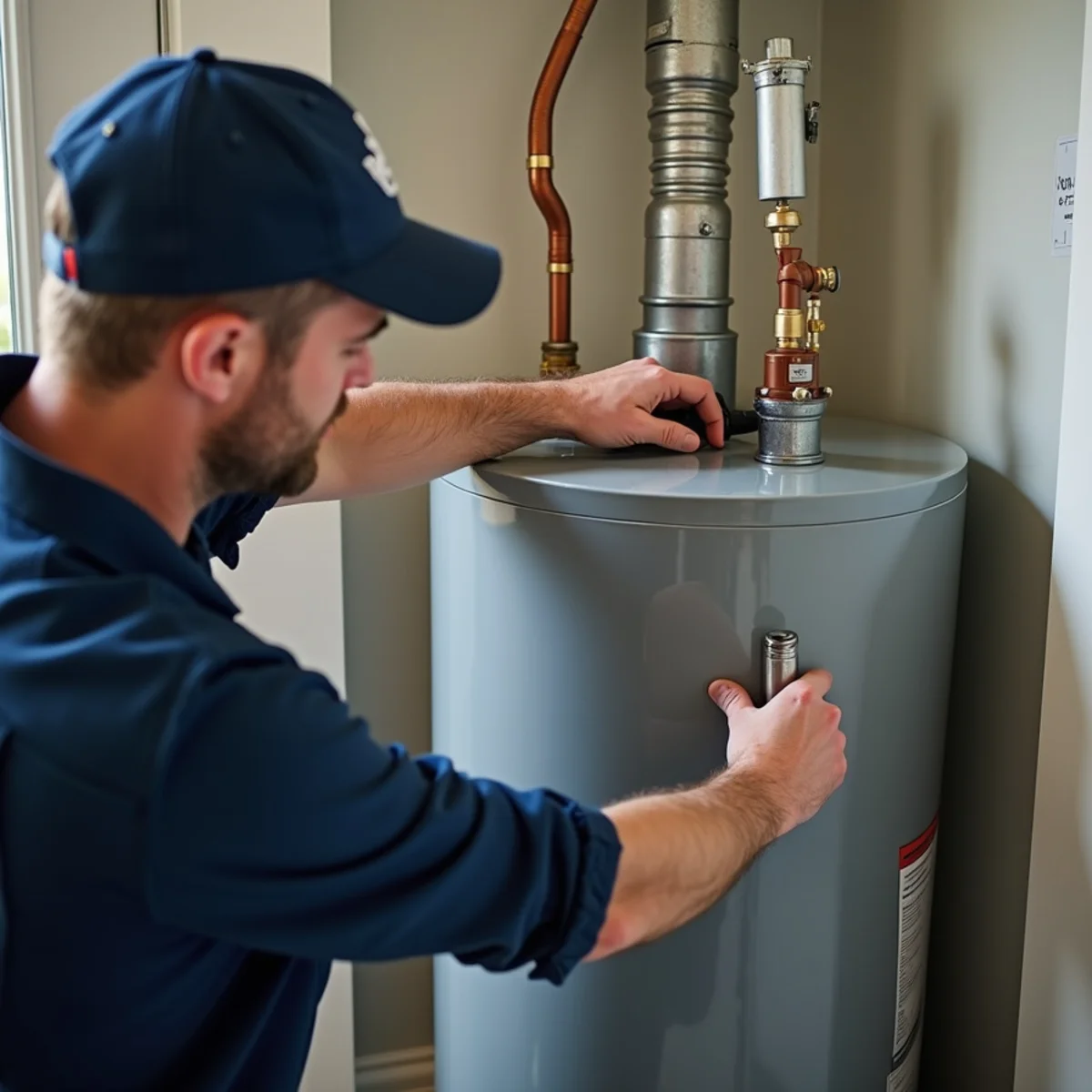
Every tank water heater has a sacrificial anode rod — a length of magnesium or aluminum that corrodes on purpose so the steel tank does not. Manufacturers write their warranties assuming average water. Ours is not average.
In 26 to 28 grain water, plan on inspecting the anode at three years instead of five. A rod that is more than half consumed is no longer protecting anything, and once it is gone the tank is on its own. Replacing a rod is a fraction of the cost of a tank, and neglecting it voids most manufacturer warranties outright.
Pair that with an annual flush and you routinely get three to five extra years out of the same equipment. That is the whole argument for maintenance in one sentence.
Homeowners ask this constantly, and the honest answer depends on where the tank is in its life.
If your heater is under six years old and healthy, install the softener now — you will protect the equipment you already own and get most of its rated life out of it. If the tank is already ten years old and rumbling, replace the tank and add the softener at the same time so the new unit never sees raw 27-grain water.
Doing the tank alone and skipping treatment is the expensive path. You buy a twelve-year appliance and give it an eight-year environment. Our whole-home water softener installation page walks through sizing for our specific hardness.
Tankless makes excellent sense in Lake in the Hills homes with the gas capacity for it — endless hot water, twenty-year service life, and a wall instead of a closet. It makes poor sense installed on raw hard water with no scale strategy, because the heat exchanger passages are narrow and mineral finds them fast.
If endless hot water is what you are after, read the details on tankless water heater installation with scale protection. If you want the simplest reliable box that recovers fast and costs less to install, a well-maintained tank is still a completely rational choice.
Prices vary too much by house to publish a single number honestly. These are the variables that move it.
Free written estimates on any non-emergency replacement. We will also tell you when a repair is the smarter money — that conversation costs nothing.
Plan on eight to ten years, not the twelve you see on the sticker. Hard water scale is the difference. With annual flushing and an anode rod replaced around year three and again around year seven, twelve to fourteen years is realistic.
Under eight years old with a sound tank, usually yes — thermostats, elements, gas valves and thermocouples are all reasonable repairs. Past ten years with rumbling and rusty water, repair money is better spent on the replacement you will be making within a year or two anyway.
Yes. The Village of Lake in the Hills requires a permit for water heater replacement. We pull it as part of the job and itemize the fee separately on your invoice so you can see exactly what it cost.
A rough rule: 40 gallons for one to two people, 50 for three to four, 60 to 75 or a tankless unit for five or more or for homes with a large soaking tub. First-hour rating matters more than raw capacity, and we size on that.
Yes, and you should — once a year. Kill the power or set the gas to pilot, hook a hose to the drain valve, and run it until the water is clear. If yours has never been flushed and it is more than a few years old, let us do the first one; a valve that has been sealed shut with scale can snap off, and then you have an emergency instead of a chore.
Often needed together
These come up on the same houses more often than not.
Endless hot water and twenty-year service life — installed with the pre-treatment and flush ports hard water makes non-negotiable.
Learn moreWhole-home softeners sized for real 26–28 grain water — plus repairs, resin service and salt guidance for the system you already own.
Learn moreA real person answers, a licensed plumber rolls, and you get the price before any work starts — nights, weekends and holidays included.
Learn moreWorth reading first
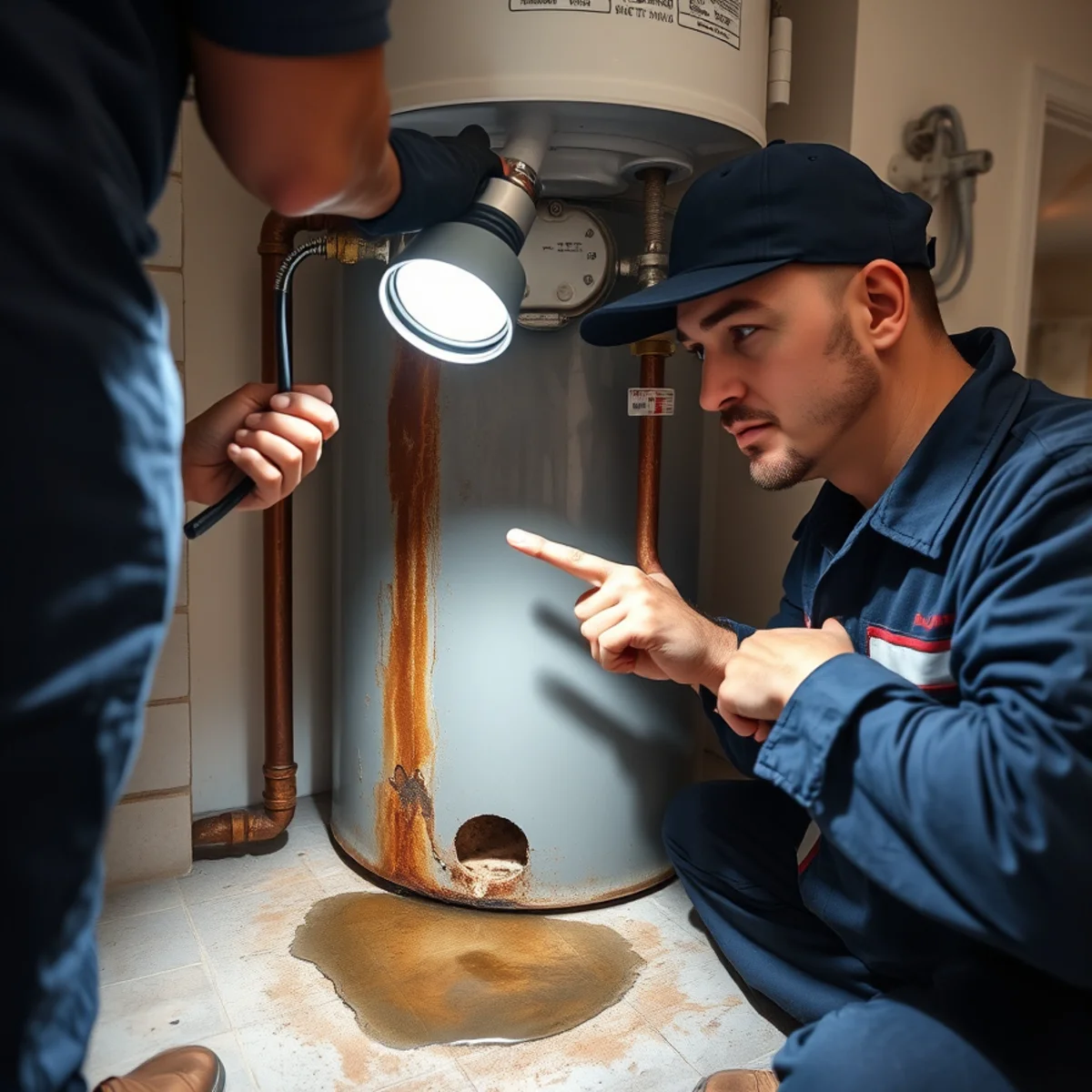
Tanks almost never fail without warning. The problem is that most homeowners do not know what the warnings look like — until there is water on the floor.
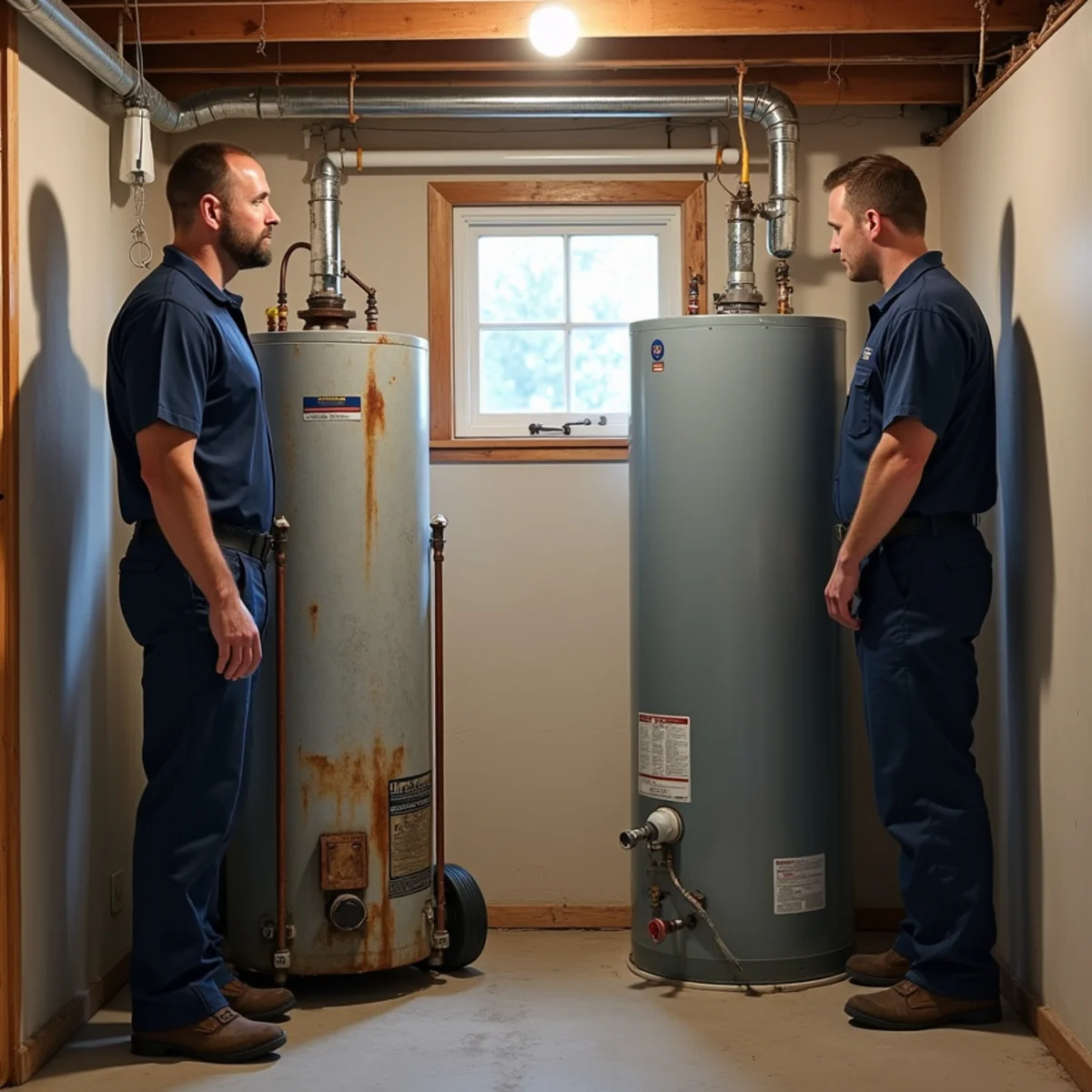
Manufacturers rate water heaters on average water. Ours is six times harder than average, and the lifespan math changes accordingly.
Water Heater Repair & Installation
Call and talk to the person who will do the work. Free written estimates on non-emergency water heater repair & installation, and a price before we start on anything urgent.
Tell us what is going on and we will get back to you with a straight answer. No obligation, no pressure.
5.0 from 11 Google reviewsLicensed & insuredFree written estimates
Our online form is not taking submissions just yet.
Please call (207) 419-2600 instead — a real person answers, nights and weekends included, and we can usually sort it faster on the phone anyway.
We are a licensed, insured, owner-operated shop based on Pine Street in Lake in the Hills. That means the person quoting the job is the person doing it, and nobody here is measured on how much they sold you.
Every recommendation starts with the water. At 26–28 grains per gallon, our supply is roughly six times harder than the national average, and it is the single biggest factor in how long anything in your plumbing lasts. Fixing the symptom without addressing that is how you end up calling someone again in two years.
And when a permit is required — water heaters, sewer work, gas piping — we pull it and show the fee on its own line. Ask every plumber you talk to for the same. Read more in our guide to plumbing permits in McHenry County.