Water Heaters
Signs Hard Water Is Destroying Your Water Heater
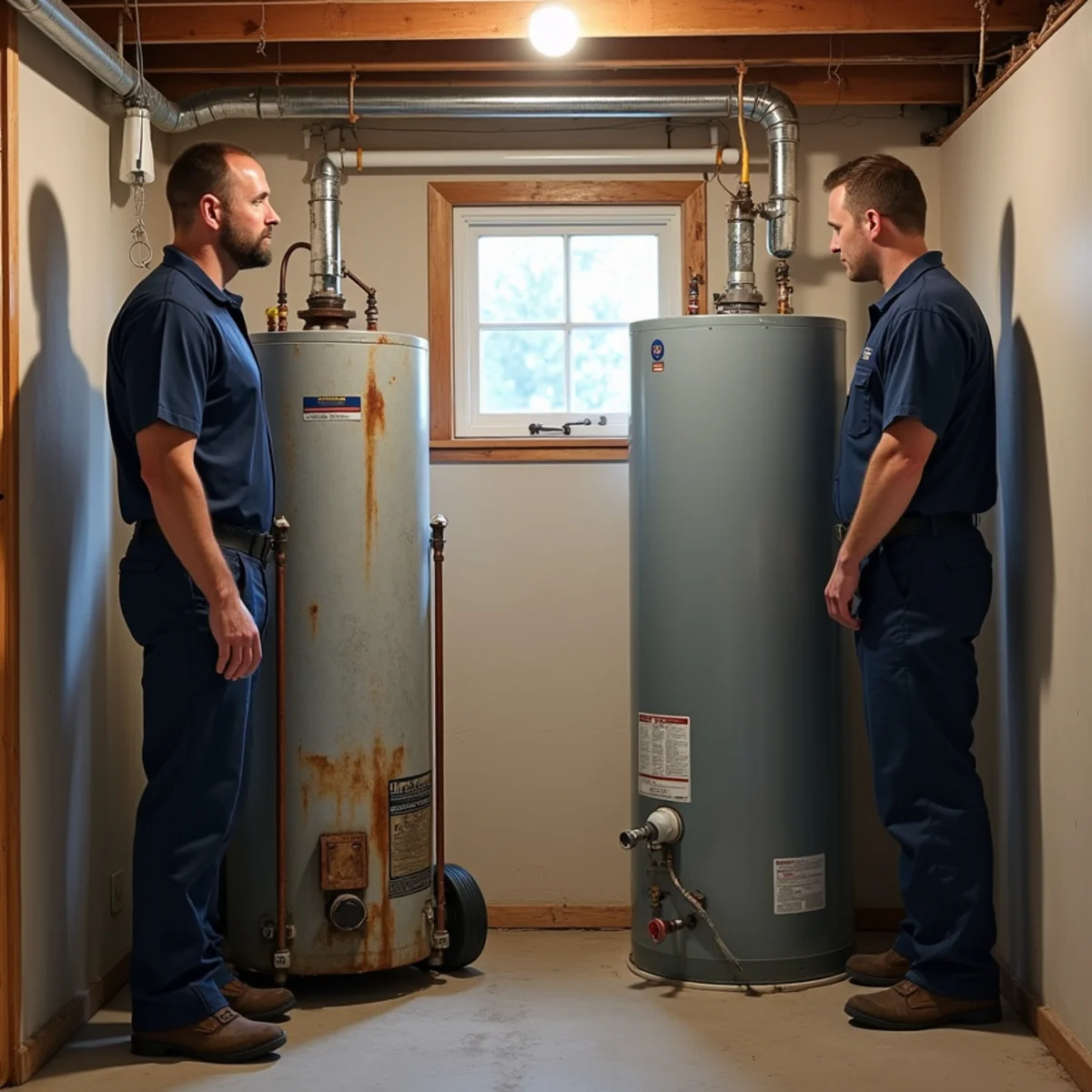
A water heater almost always tells you it is in trouble before it fails. In 26-grain water, those warnings arrive years earlier than the manufacturer expected.
Your water heater is the appliance that suffers most from hard water, and it is not close. Every other appliance sees the mineral pass through. The water heater is where the mineral gets left behind.
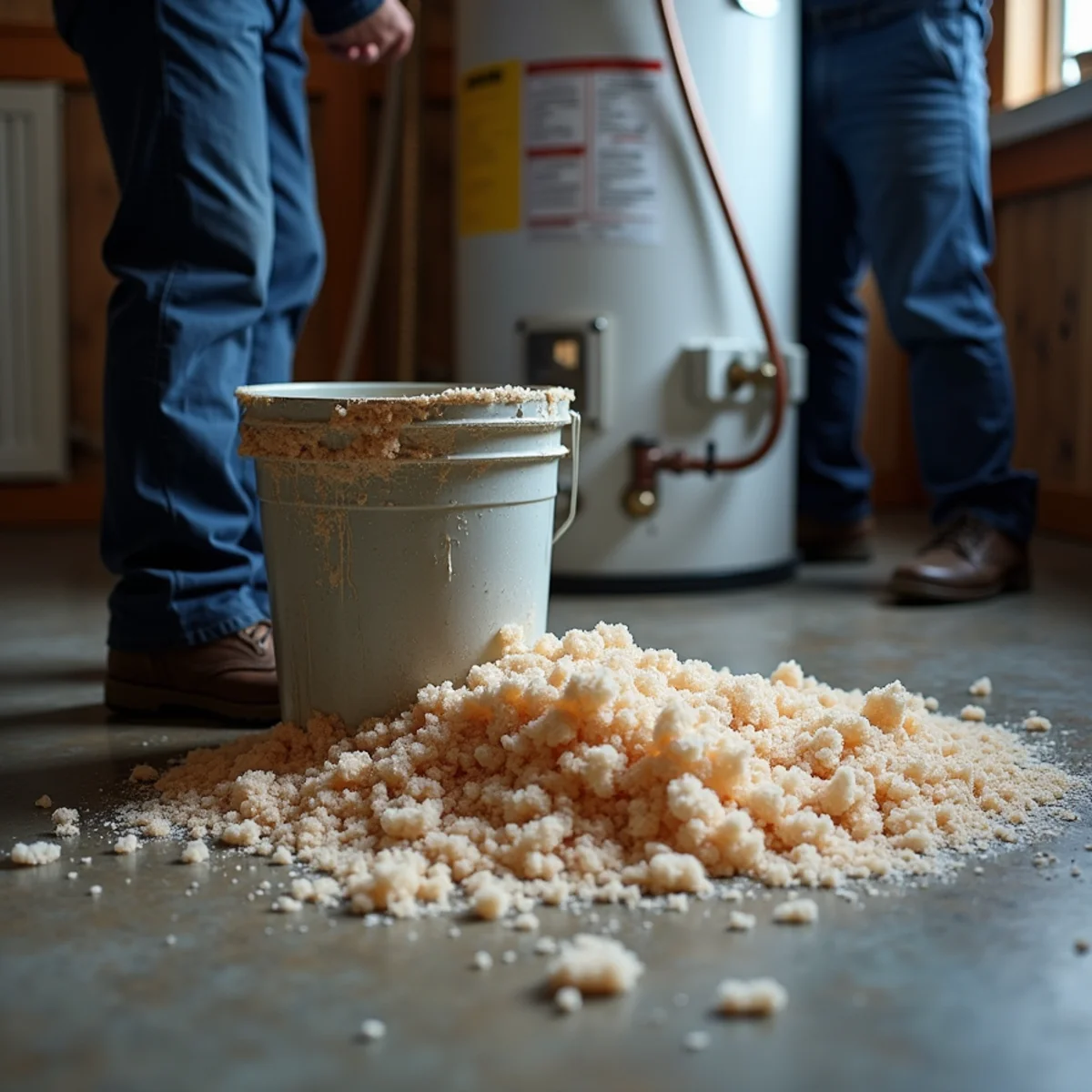
Here is the mechanism: dissolved calcium and magnesium stay in solution at room temperature. Heat the water and they precipitate out, falling to the bottom of the tank as sediment. Over years that sediment compacts into a hard crust.
In Lake in the Hills, at 26 to 28 grains per gallon, that process runs about six times faster than the manufacturer's engineers assumed.
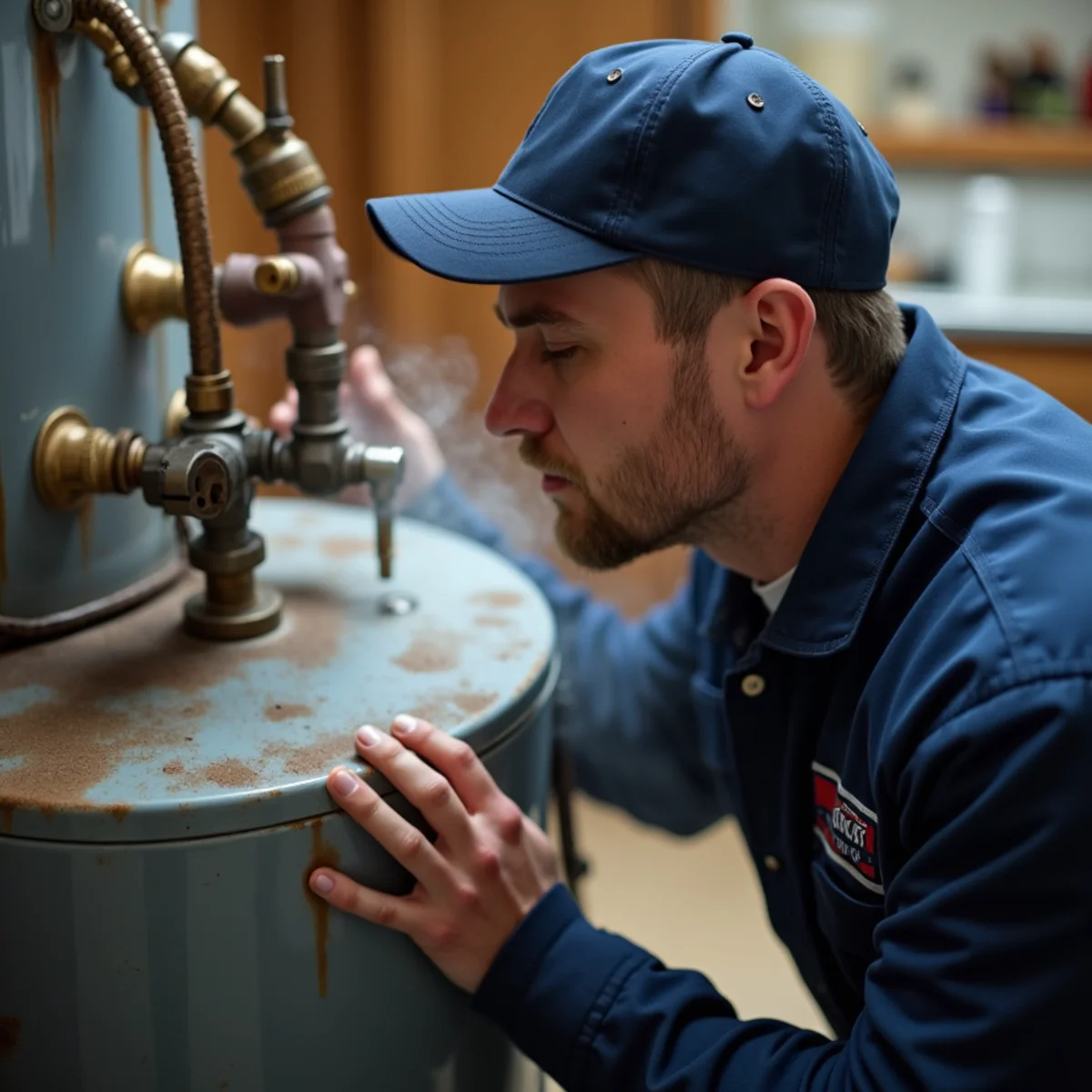
1. Rumbling, popping or crackling
This is the most reliable single indicator, and it is easy to hear if you stand next to the tank while it fires.
What you are hearing is water trapped underneath the sediment layer. The burner heats the tank bottom, that trapped water flashes to steam, and the steam forces its way up through the crust. The popping is steam bubbles escaping.
It also tells you something more serious: the steel above the sediment is running hotter than it was designed to, because the crust is insulating it from the water that should be cooling it. That accelerated thermal stress is what eventually fatigues the tank and produces the leak.
2. Hot water runs out faster than it used to
Sediment takes up volume. Four inches of compacted scale in the bottom of a 50-gallon tank means you no longer have a 50-gallon tank.
Worse, the burner has to heat through the crust before it heats the water, so recovery slows down too. You get less hot water, and it takes longer to make more of it.
If your showers got shorter over the last two years and nothing else in the house changed, this is almost always why.
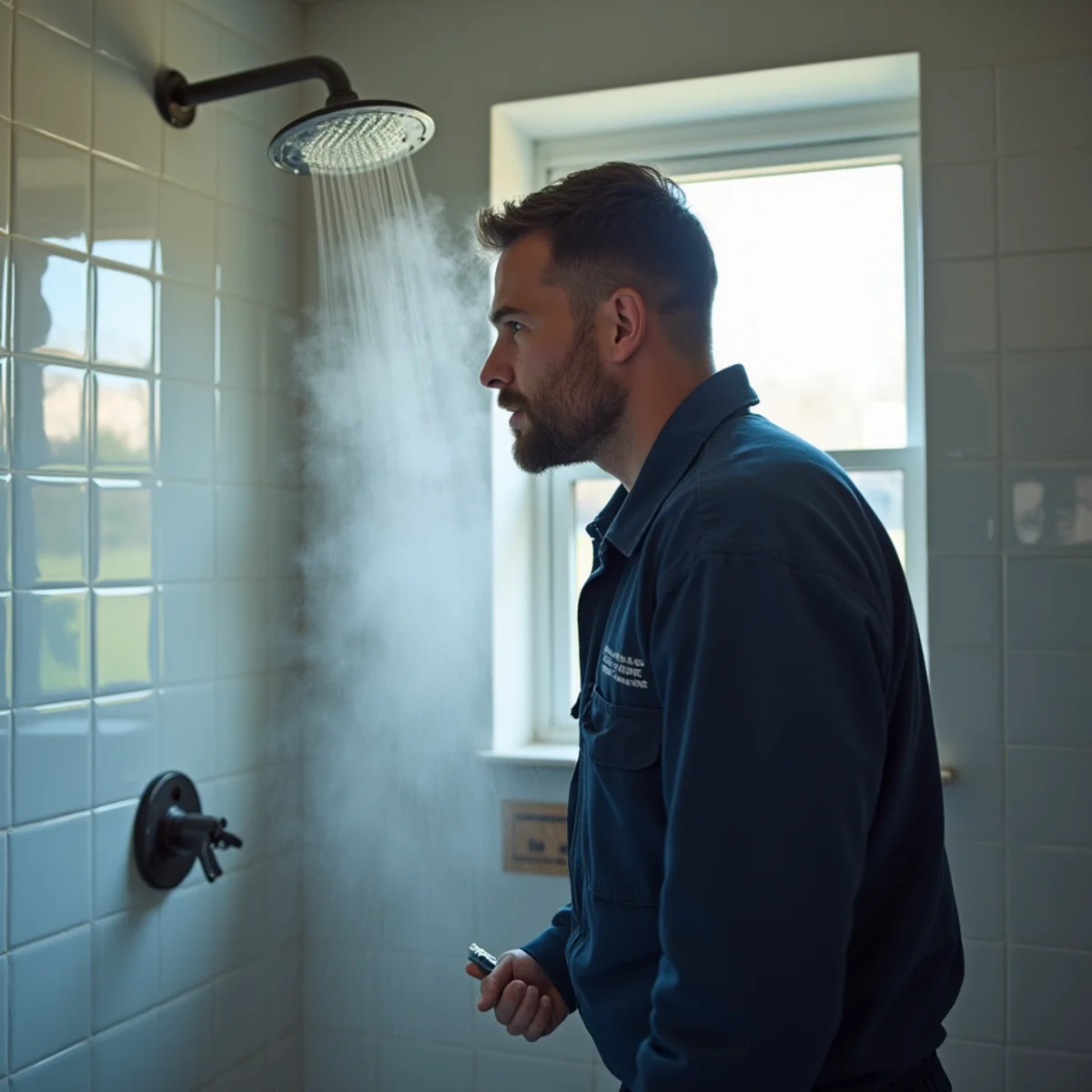
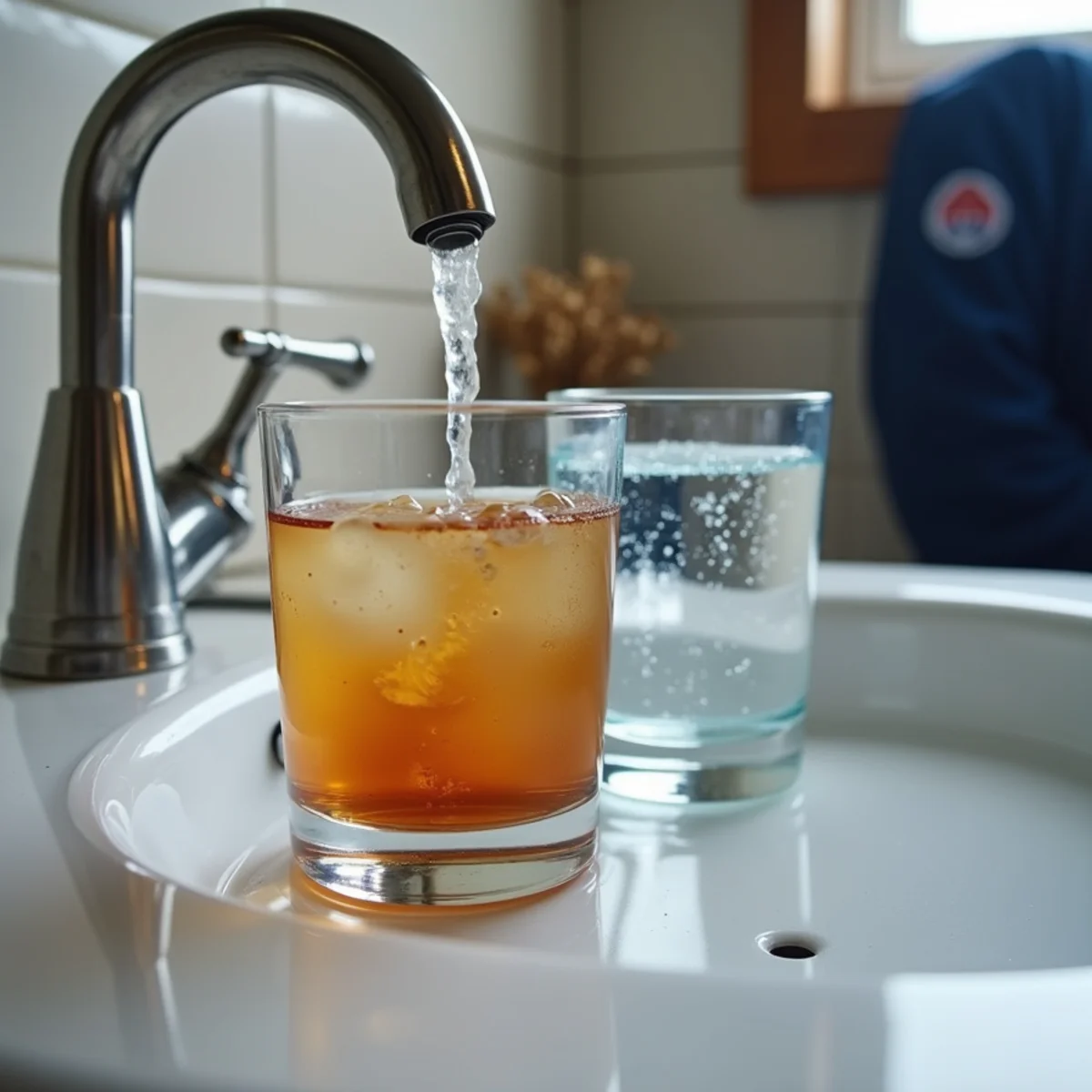
3. Rusty or metallic-tasting hot water
Run the cold tap. If the cold is clear and only the hot is discolored, the problem is inside the tank rather than in your supply lines.
That usually means the anode rod has been consumed and the tank's glass lining is being attacked directly. The anode is a sacrificial rod, deliberately made of metal that corrodes before the steel does. Once it is gone, the tank is on its own.
This is the point where the countdown gets short. Rust in the hot water means the tank is actively corroding, and there is no repair for a corroded tank.
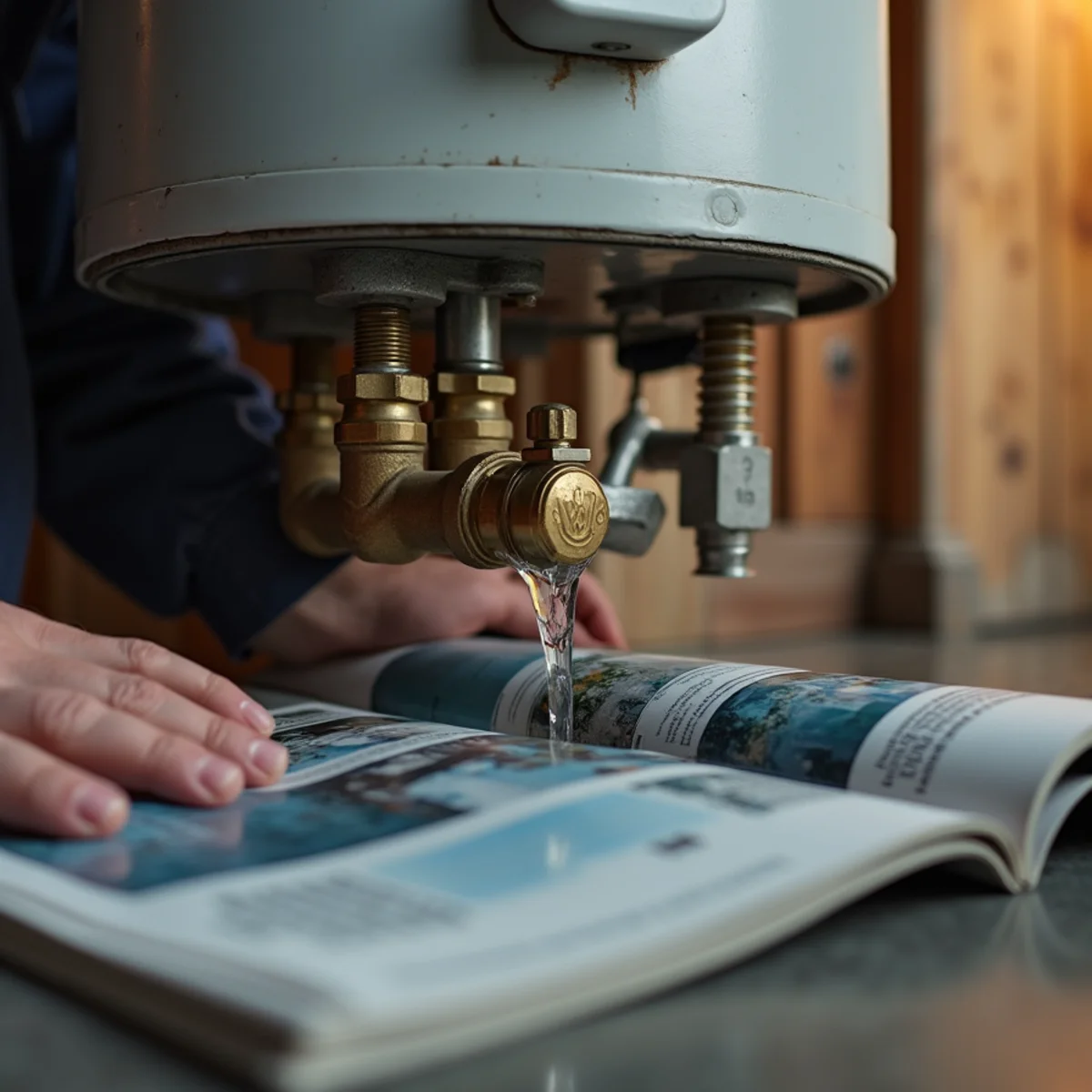
4. The relief valve weeping or discharging
The temperature and pressure relief valve is a safety device, and it should never discharge in normal operation.
When it does, it usually means excess pressure in the system — often because the house is a closed system with no working expansion tank, so heated water has nowhere to expand. Sometimes it means the valve itself has scaled and no longer seats properly.
Either way it needs diagnosing rather than capping. A relief valve that is prevented from doing its job is genuinely dangerous.
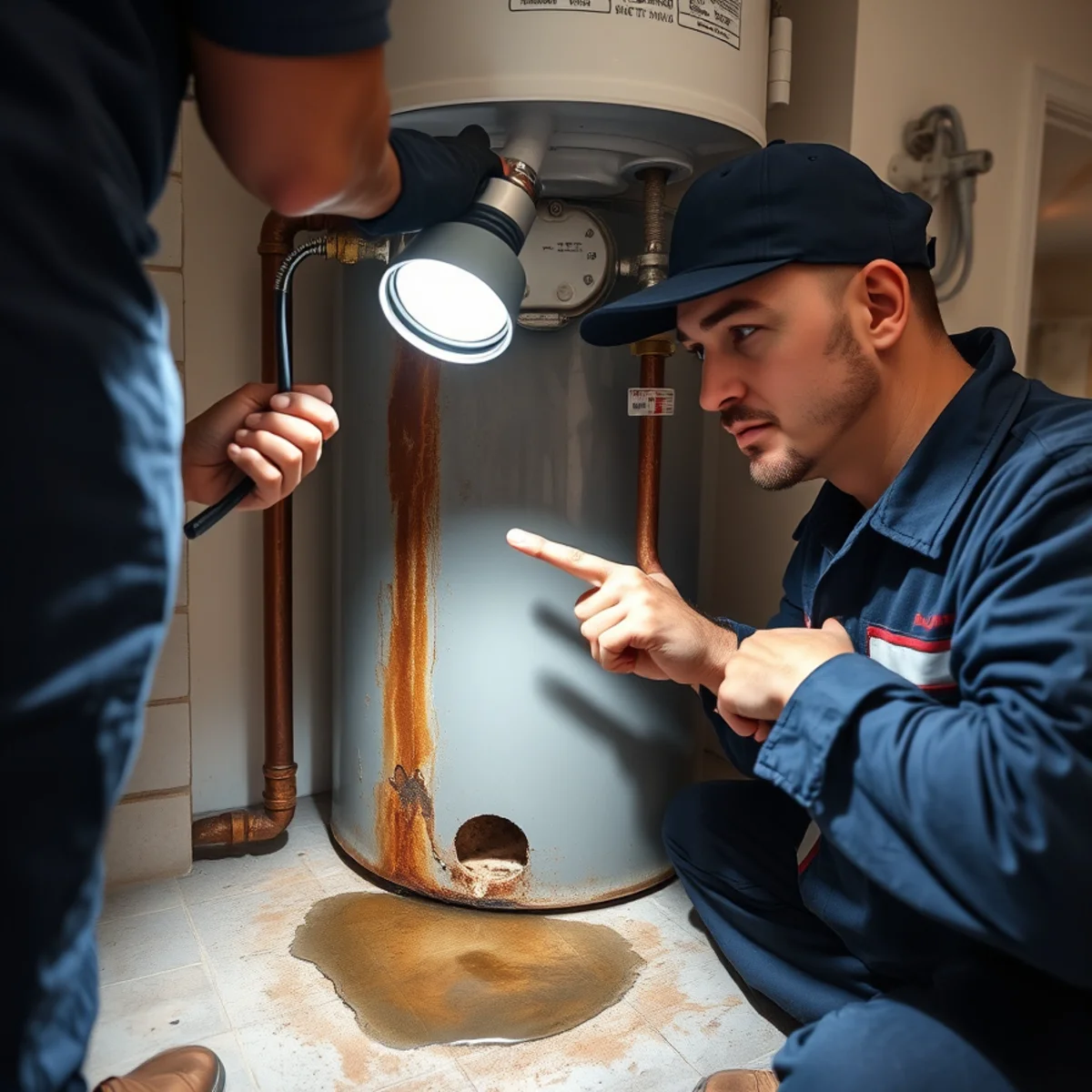
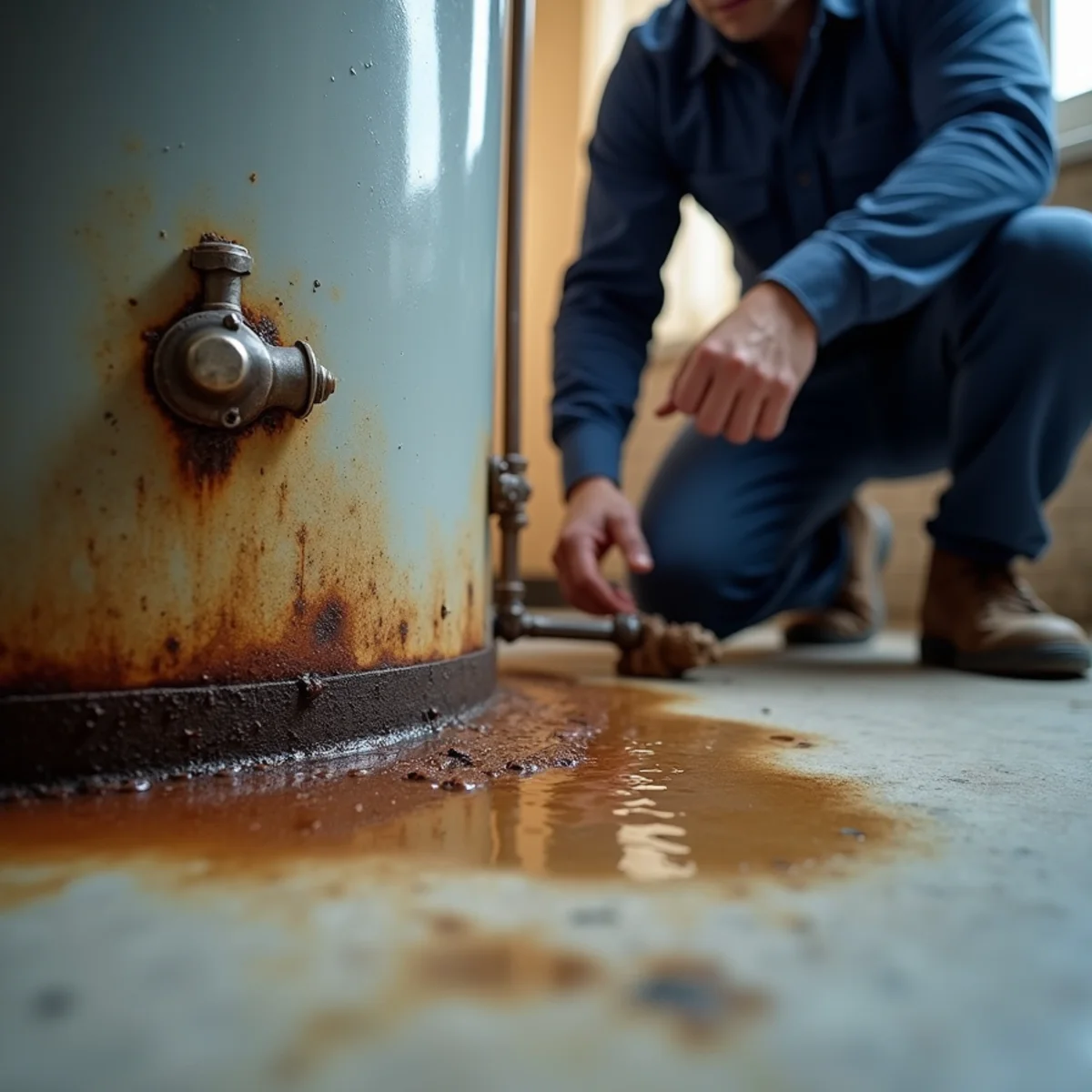
5. Moisture at the base of the tank
A little condensation on a humid summer day is normal. Persistent moisture, rust staining running down the jacket, or a damp ring on the floor is not.
Once a tank has breached, it is finished. There is no patch, no weld, no repair. What you are deciding at that point is whether to replace it on your schedule this week or on the tank's schedule at 2 a.m.
If yours is showing moisture and it is over eight years old, treat that as the decision point. Our water heater replacement page covers what a proper install includes.
The two habits that buy you years
Flush the tank annually. Kill power or set the gas control to pilot, connect a hose to the drain valve, and run it until the water comes out clear. Twenty minutes, once a year. If your tank has never been flushed and it is more than a few years old, have a plumber do the first one — a drain valve sealed shut with scale can snap off, and then you have an emergency instead of a chore.
Replace the anode rod on a three-year cycle rather than the standard five. This is the single most important hard-water-specific maintenance item, and almost nobody does it. A rod costs a fraction of a tank. A tank left unprotected after the rod is consumed corrodes from the inside and fails years early — and neglecting the anode voids most manufacturer warranties outright.
The permanent fix
Maintenance manages the symptom. A properly sized softener removes the cause.
Feed a water heater softened water and the sediment problem largely disappears. Tanks reach their rated life. Efficiency stays where it should be. The anode rod lasts its normal interval instead of being consumed early.
The economics are straightforward once you count everything the softener protects — not just the water heater but the dishwasher, the washing machine, the fixtures and the pipes. If your heater is young and healthy, install treatment now. If it is already ten years old and rumbling, replace the tank and add the softener at the same time so the new unit never sees raw 27-grain water.
Homeowners across Lake in the Hills and Huntley end up here eventually. Doing it before the flood is considerably cheaper than doing it after.
Quick answers
How do I know if my water heater has sediment buildup?
Listen while it heats. Rumbling, popping or crackling means water is flashing to steam under a sediment layer. Shorter hot water duration and slower recovery are the other reliable signs.
Can sediment be removed from an old water heater?
A flush removes loose sediment. Once the layer has compacted into a hard crust — typical after several years without flushing — much of it will not come out, and the damage to the tank's temper is already done.
How often should I replace the anode rod in hard water?
Every three years in Lake in the Hills water rather than the usual five. Extreme hardness consumes the sacrificial rod much faster, and once it is gone the tank corrodes directly.
Need a hand with this?
Talk to the plumber who wrote this
We are a licensed, owner-operated shop on Pine Street in Lake in the Hills. Free written estimates on non-emergency work, and a real person answering the phone when it cannot wait.
- 5.0 from 11 Google reviews
- Licensed & insured
- 24/7 emergency service