Toilet Repair & Installation
Running toilets, wax ring leaks, weak flushes and comfort-height upgrades — fixed properly, with the shutoff replaced while we are there.
Learn more
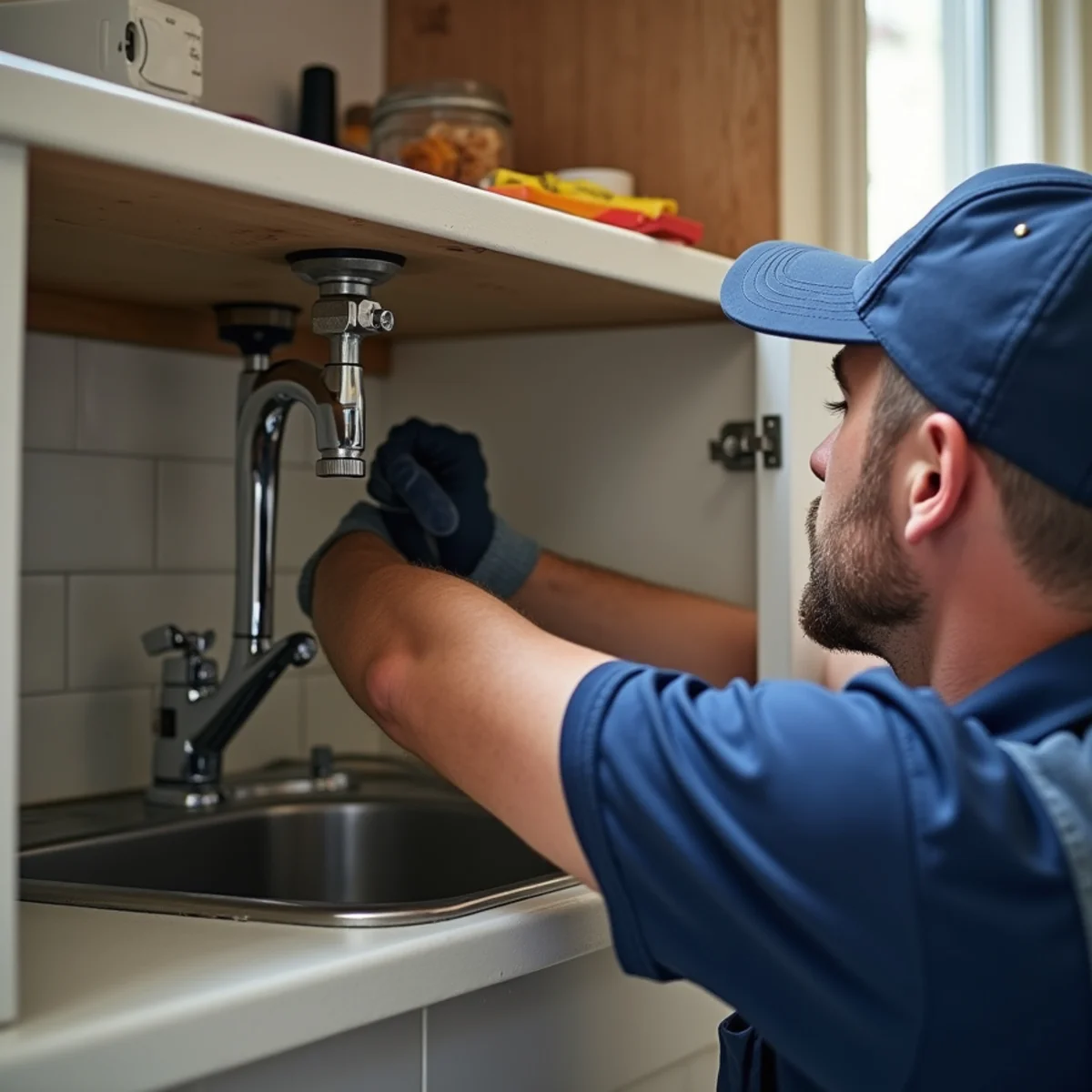
Artisan Water Group
Fixtures are where most people meet their plumbing, and in this village they are where hard water shows up first. A faucet handle that got stiff. A shower with two comfortable temperatures and nothing in between. A toilet that runs for ten seconds every twenty minutes, all night.
Need this handled today? Call and a real person answers — nights, weekends and holidays included. You get the price before we start.
None of it is dramatic and all of it is fixable. What is worth knowing is that a large share of what looks like a broken fixture here is actually a mineral problem — a cartridge seized with scale rather than a worn cartridge, an aerator packed solid rather than a failing faucet, a fill valve whose seat has calcified.
We repair what makes sense to repair and replace what does not, and when we install something new we choose parts that survive 26 to 28 grain water rather than whatever came in the box.
If any of these sound like your house, most are same-visit work.
The diverter inside a pull-down kitchen faucet is a small plastic and rubber part that scale seizes first. It is a cheap fix if caught early and a whole-faucet job if it cracks the housing.
The O-rings sealing the spout to the body have hardened. Left alone, that water runs down inside the cabinet rather than into the sink, and the cabinet floor pays for it.
Mineral has pitted the seat or the cartridge seals. Cranking harder just damages the stem — worth fixing before you break something more expensive.
Almost always a clogged aerator or shower head. That is fifteen minutes of work and free flow afterward, and it is the first thing to check before assuming a bigger problem.
Scale inside the cartridge. It is a warning: keep forcing it and you will snap a stem inside the valve body, which turns a small job into a bigger one.
Corrosion where the flex line meets the faucet shank, usually from a slow weep that has been drying and re-wetting for months. That connection is one vibration away from letting go.
Most fixture jobs are a single visit. The parts of it people appreciate are the parts done before the new fixture goes in.
Scale, worn parts, water pressure, or an installation problem from years ago. Replacing a fixture that failed because of high pressure just resets the clock on the same failure.
Old multi-turn stops in hard water frequently seize or weep the moment they are turned. We check them before starting, and replacing them with quarter-turn valves is inexpensive insurance you will be glad for the next time.
A quality faucet with a scaled cartridge deserves a cartridge, not a landfill trip. We stock common cartridges and rebuild kits.
New supply lines rather than reused ones, correct sealants, level and square set, and everything torqued properly. Reused flex lines are a leading cause of the leak that shows up three months after somebody else's install.
New wax ring or gasket on every toilet reset, proper caulk detail at the base, and sealing where fixtures meet counters and tile so water cannot get under them.
Run it, check underneath for weeps, adjust flush volume and handle travel, and confirm temperature limits on shower valves so nobody gets scalded.
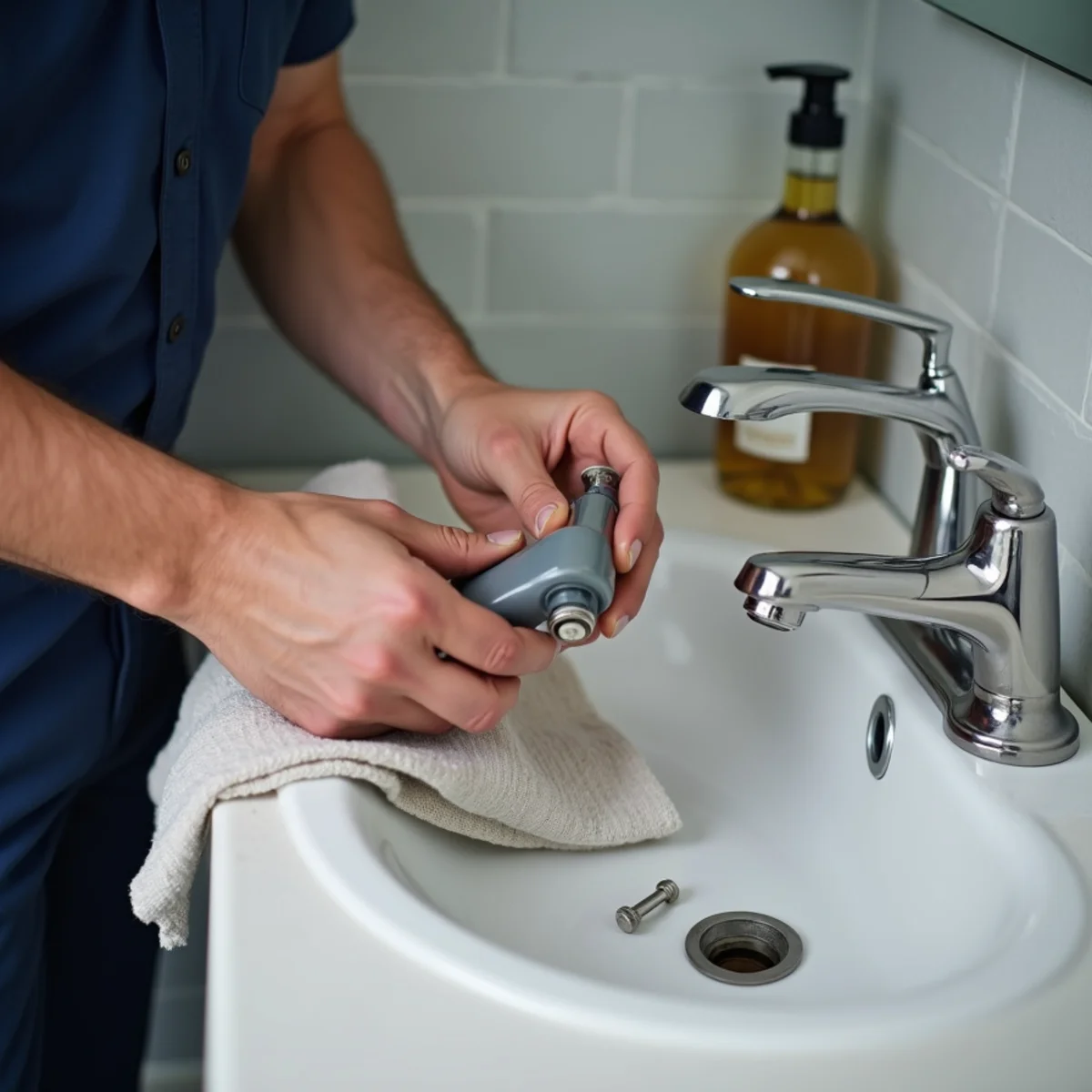
Not all fixtures age the same way here, and the differences are worth knowing before you buy.
For faucets, ceramic disc cartridges hold up far better than older compression or ball designs. Solid brass bodies outlast plastic. Buy from a plumbing supplier rather than the big-box variant of the same model number where you can — the internals are frequently different.
For toilets, a simple reliable flapper and fill valve beats a proprietary mechanism you will not find parts for in six years. For showers, pressure-balancing or thermostatic valves from a brand with a long parts history matters more than the finish, because in ten years you will want a cartridge and not a remodel. And whatever the finish, expect to wipe it — polished chrome hides water spots better than anything else in a hard-water house.
Unscrew each faucet aerator twice a year and soak it in white vinegar for an hour. Do the same with shower heads — a bag of vinegar rubber-banded over the head overnight works perfectly. That one habit prevents most of the low-flow complaints we get called about.
Exercise every shutoff valve in the house once a year: turn it fully closed and back open. Valves that never move are the ones that seize, and a stop that will not close is what turns a small fixture leak into a whole-house shutdown.
Put a few drops of food coloring in a toilet tank and wait twenty minutes without flushing. Color in the bowl means the flapper is leaking. It is the cheapest test in plumbing and it catches the silent water waste that shows up as an unexplained bill.
These are the smallest jobs we do and the easiest to price predictably — with a few honest caveats.
Small jobs get the same written price-before-work treatment as large ones. No surprises on a faucet swap.
Usually the valve seat is pitted from mineral deposits, so a new cartridge cannot seal against it. Sometimes it is water pressure above about 80 psi hammering the seals. We check both rather than fitting a second cartridge and hoping.
Absolutely, and plenty of customers do. One heads-up: big-box versions of well-known models sometimes use plastic internals where the plumbing-supply version of the same model uses brass. It rarely changes our install, but it changes how long the fixture lasts.
On a quality solid-brass faucet, a cartridge or rebuild kit is a fraction of the cost of replacing it, and we stock the common ones. On an inexpensive plastic-bodied fixture the parts often cost more than the faucet is worth, and we will say so rather than charge you for a repair that does not make sense.
A straightforward swap in an accessible cabinet is usually under an hour. Add time for a seized shutoff valve, a pedestal sink, a deep undermount in stone, or a corroded old fixture that does not want to come out. We check the shutoffs before quoting so that surprise is priced in, not sprung on you.
Straight like-for-like fixture replacement typically does not require one. New fixture installations — adding a bathroom, moving a fixture, or running new supply and drain lines — do. We will tell you which category your project falls in before we start.
Often needed together
These come up on the same houses more often than not.
Running toilets, wax ring leaks, weak flushes and comfort-height upgrades — fixed properly, with the shutoff replaced while we are there.
Learn moreShower valves that hold temperature, tubs set level and sealed right, and sinks plumbed so the cabinet below stays dry.
Learn moreWhole-home softeners sized for real 26–28 grain water — plus repairs, resin service and salt guidance for the system you already own.
Learn moreWorth reading first
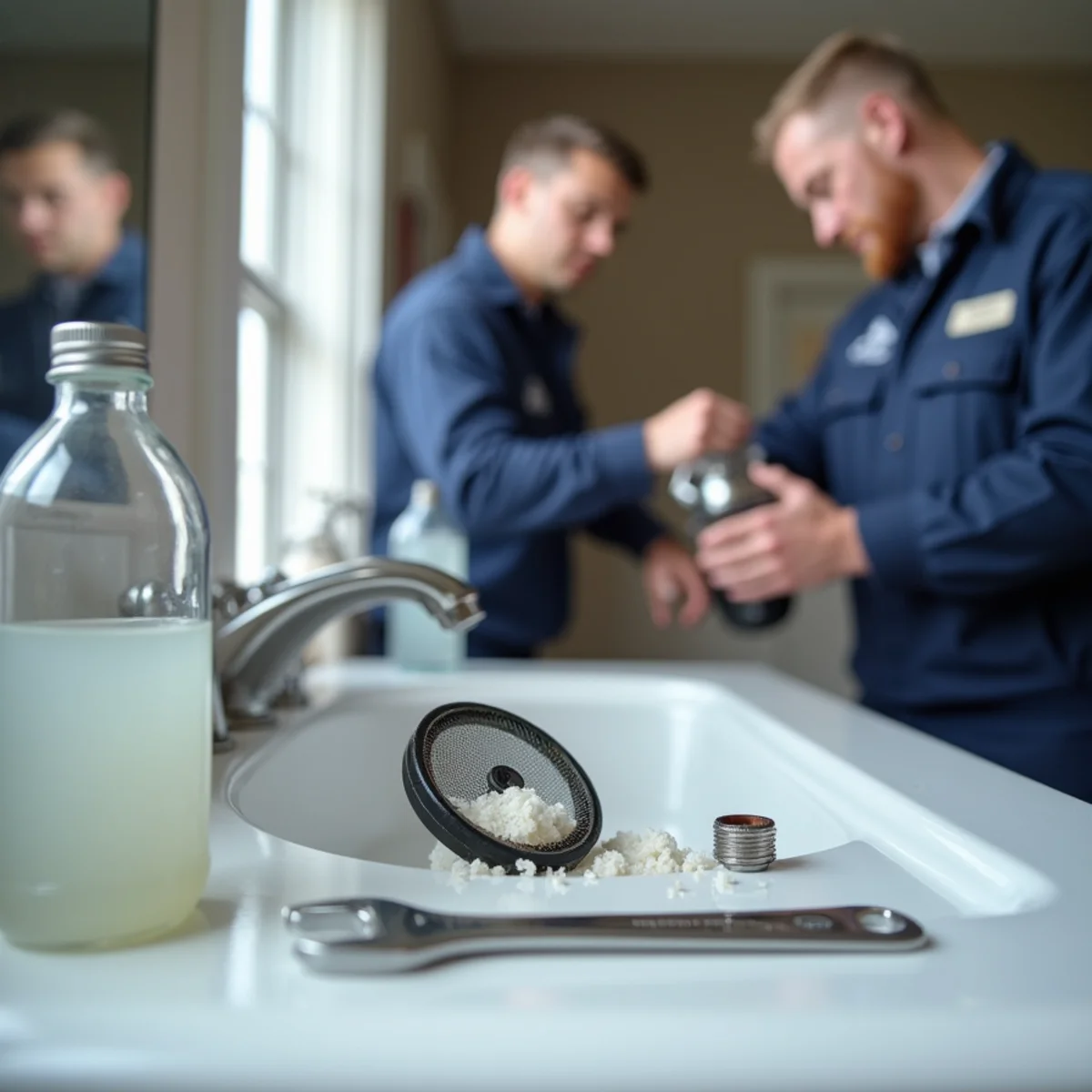
Fixtures are where hard water shows up first. Most of what looks like a broken faucet in this village is actually a mineral problem — and that changes the fix.
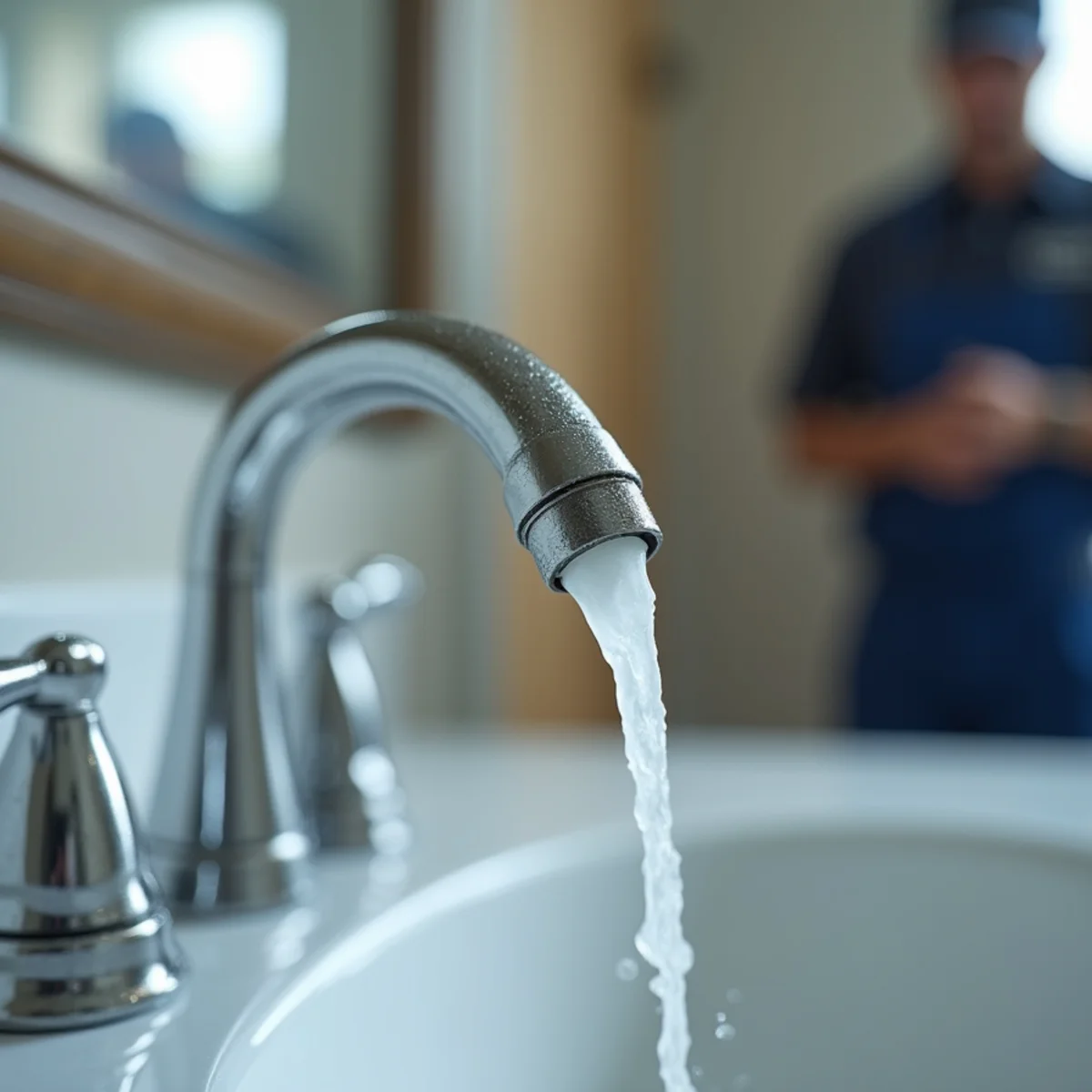
Short answer: yes, and it is not close. At 26 to 28 grains per gallon, our water is roughly six times harder than the national average. Here is what that actually does to your house.
Faucet Repair & Installation
Call and talk to the person who will do the work. Free written estimates on non-emergency faucet repair & installation, and a price before we start on anything urgent.
Tell us what is going on and we will get back to you with a straight answer. No obligation, no pressure.
5.0 from 11 Google reviewsLicensed & insuredFree written estimates
Our online form is not taking submissions just yet.
Please call (207) 419-2600 instead — a real person answers, nights and weekends included, and we can usually sort it faster on the phone anyway.
We are a licensed, insured, owner-operated shop based on Pine Street in Lake in the Hills. That means the person quoting the job is the person doing it, and nobody here is measured on how much they sold you.
Every recommendation starts with the water. At 26–28 grains per gallon, our supply is roughly six times harder than the national average, and it is the single biggest factor in how long anything in your plumbing lasts. Fixing the symptom without addressing that is how you end up calling someone again in two years.
And when a permit is required — water heaters, sewer work, gas piping — we pull it and show the fee on its own line. Ask every plumber you talk to for the same. Read more in our guide to plumbing permits in McHenry County.