Water Heaters
7 Signs Your Water Heater Is About to Fail
Tanks almost never fail without warning. The problem is that most homeowners do not know what the warnings look like — until there is water on the floor.
Nobody wants to spend a Saturday replacing a water heater. Almost everybody would rather do that than come home to forty gallons on a finished basement floor.
The good news is that tanks are unusually communicative. They rumble, they discolour, they weep, and they slow down long before they let go. Here are the seven signs, roughly in order of how much time you have left when you notice them.
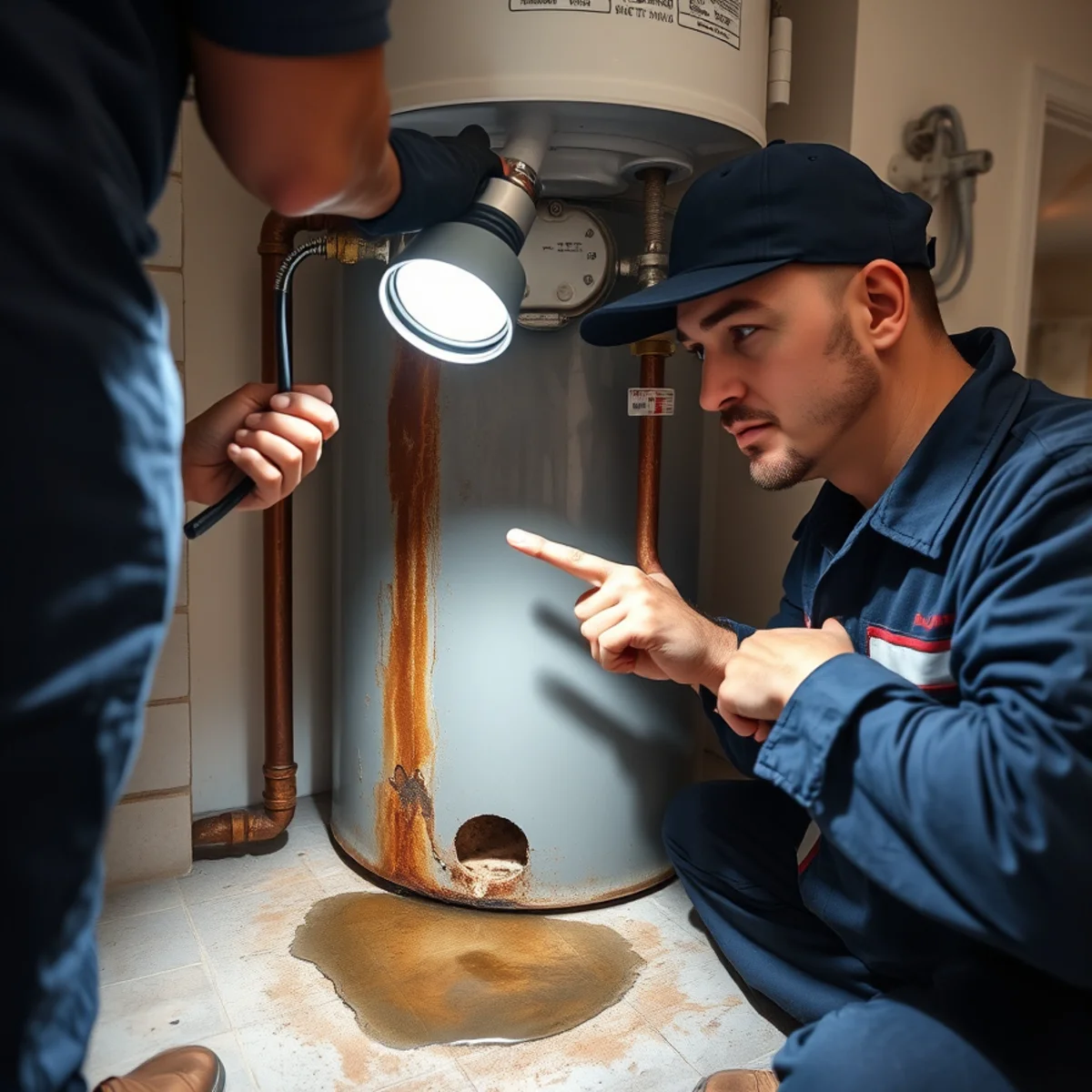
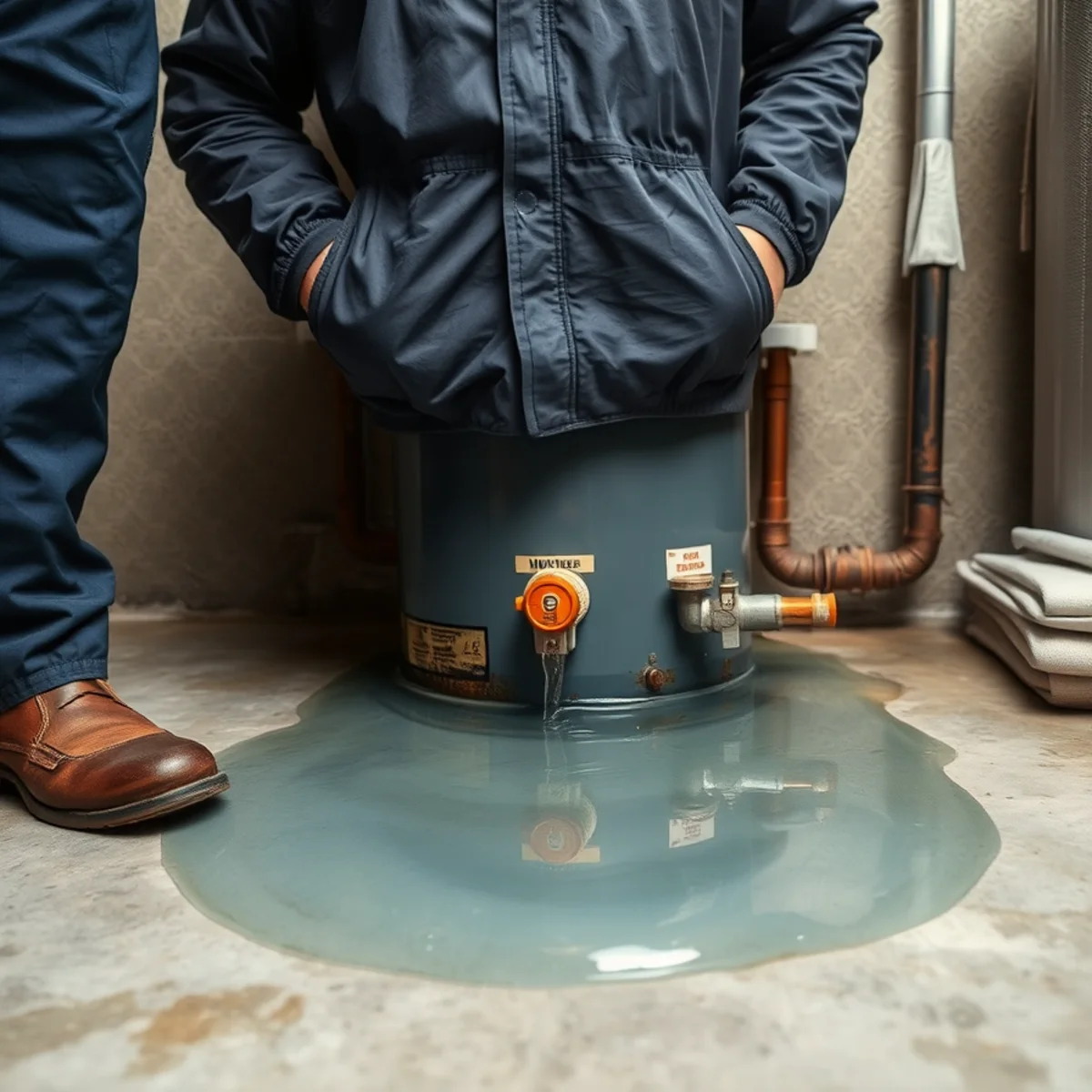
1. Water pooling at the base — act today
This is the end of the line. A tank that is weeping at a seam or leaking from the bottom has breached, and there is no repair for a breached tank.
Rule out the easy things first: check the relief valve discharge pipe, the cold and hot connections at the top, and any nearby condensate line. If those are dry and the floor around the tank is wet, the tank is done.
Shut off the water supply to the heater and the gas or breaker, then call. Waiting turns a replacement into a replacement plus water damage.
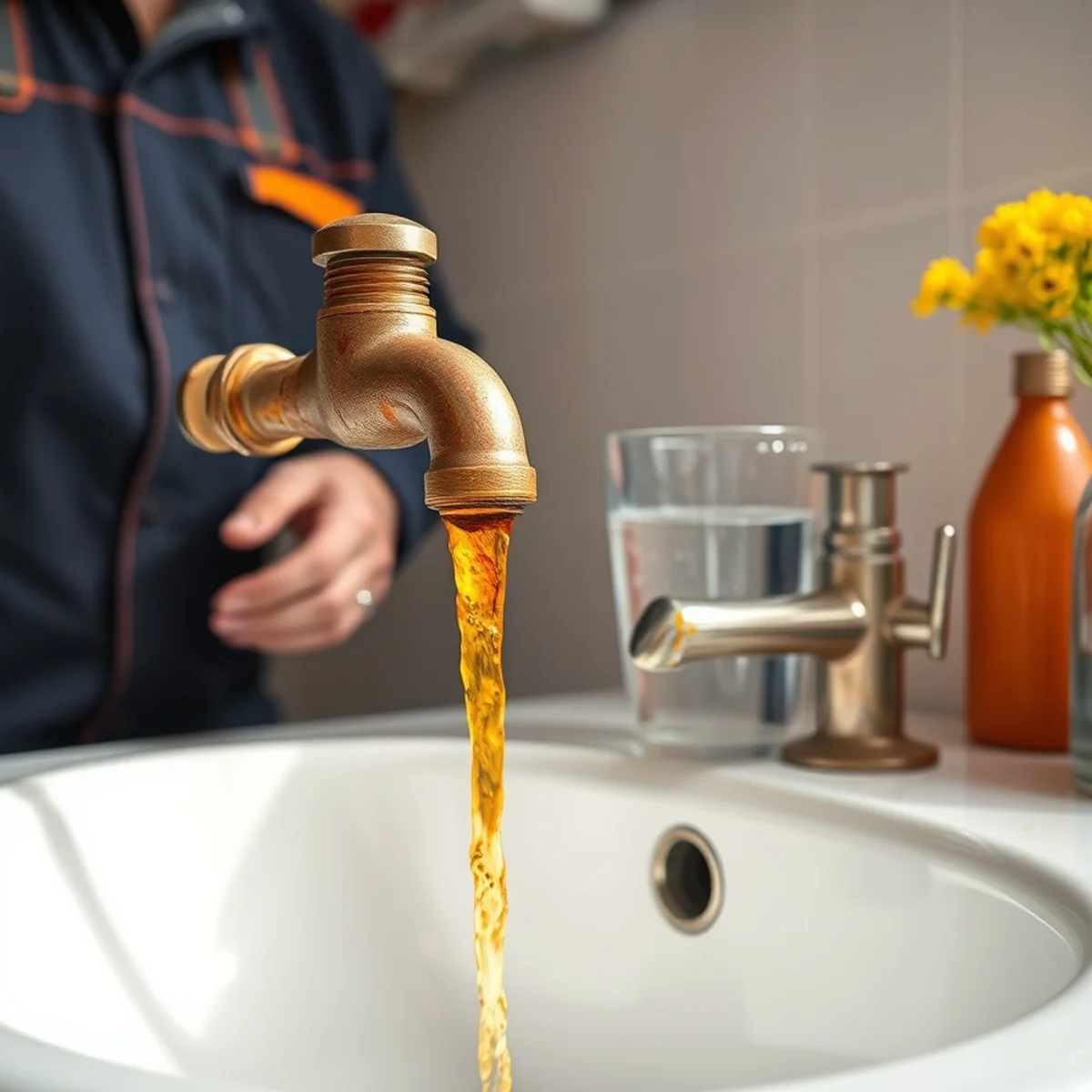
2. Rusty hot water — weeks to months
Run the cold tap first. If cold runs clear and hot runs brown or has a metallic edge, the corrosion is inside the tank.
That means the anode rod has been consumed and the glass lining is being attacked directly. There is no coming back from that; you are watching the tank corrode in real time.
Start shopping now rather than reacting later.
3. Rumbling, popping, or a kettling sound — months to a year or two
Water flashing to steam under a compacted sediment layer. The noise itself is harmless; what it tells you is not.
The steel above that crust is running hotter than it was designed to, and that thermal stress is what eventually cracks a tank. On a heater under about six years old, a professional flush may still remove enough sediment to help. On a ten-year-old tank, the noise is a countdown.

4. Hot water running out faster than it used to
Sediment displaces volume, so an aging 50-gallon tank behaves like a 40-gallon one — and takes longer to recover because the burner has to heat through the crust.
If nothing changed about your household and the showers got shorter, this is why. It is not conclusive on its own, but combined with age it is a strong signal.
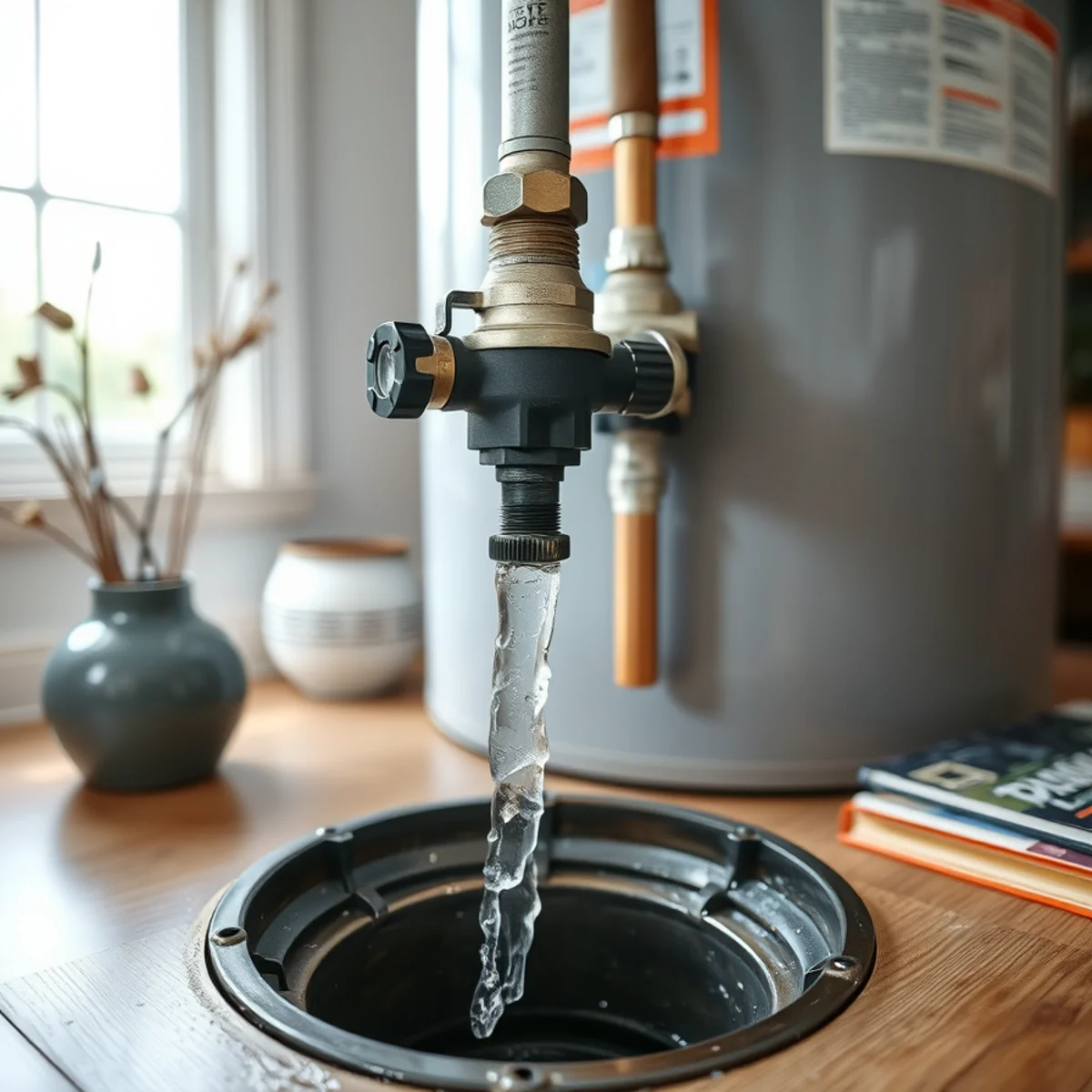
5. The relief valve discharging
The temperature and pressure relief valve should never discharge in normal operation. When it does, something is wrong — usually excessive pressure from a closed system with no working expansion tank, sometimes a valve that has scaled and no longer seats.
This one needs a plumber rather than a wait-and-see. And whatever you do, do not cap or plug a relief valve. It is the device that prevents a water heater from becoming genuinely dangerous.
6. Inconsistent temperature, or no hot water at all
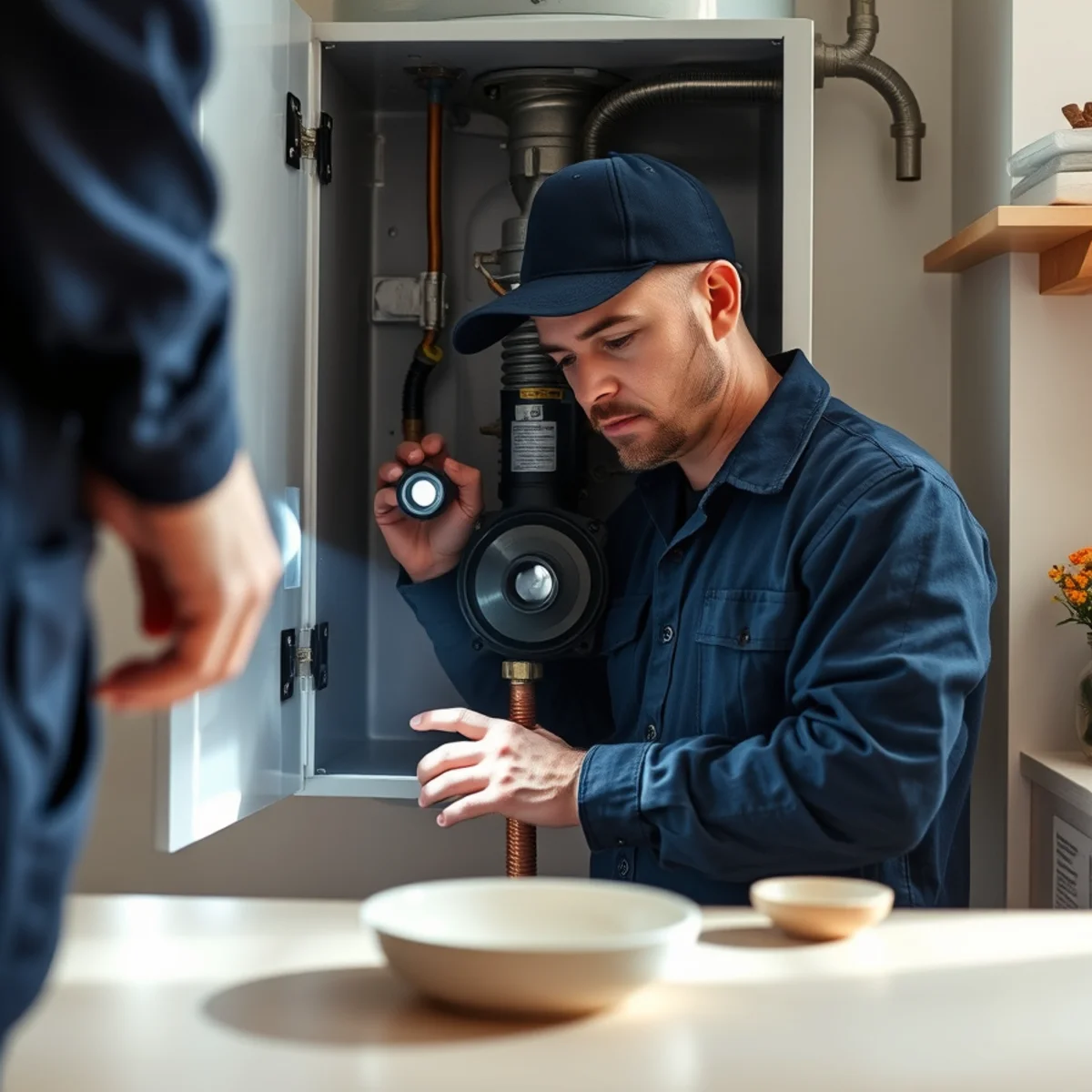
On a gas unit: a pilot that will not stay lit, a failed thermocouple, or a bad gas valve. On electric: a failed upper or lower element, or a bad thermostat.
Here is the important nuance — on a tank under about eight years old, these are genuinely repairable and worth repairing. Elements, thermostats, thermocouples and gas valves are all reasonable jobs.
On a tank past ten with other symptoms present, repair money is better spent on the replacement you will be making within a year or two anyway. We will tell you honestly which situation you are in.
7. Age alone — the sign people ignore
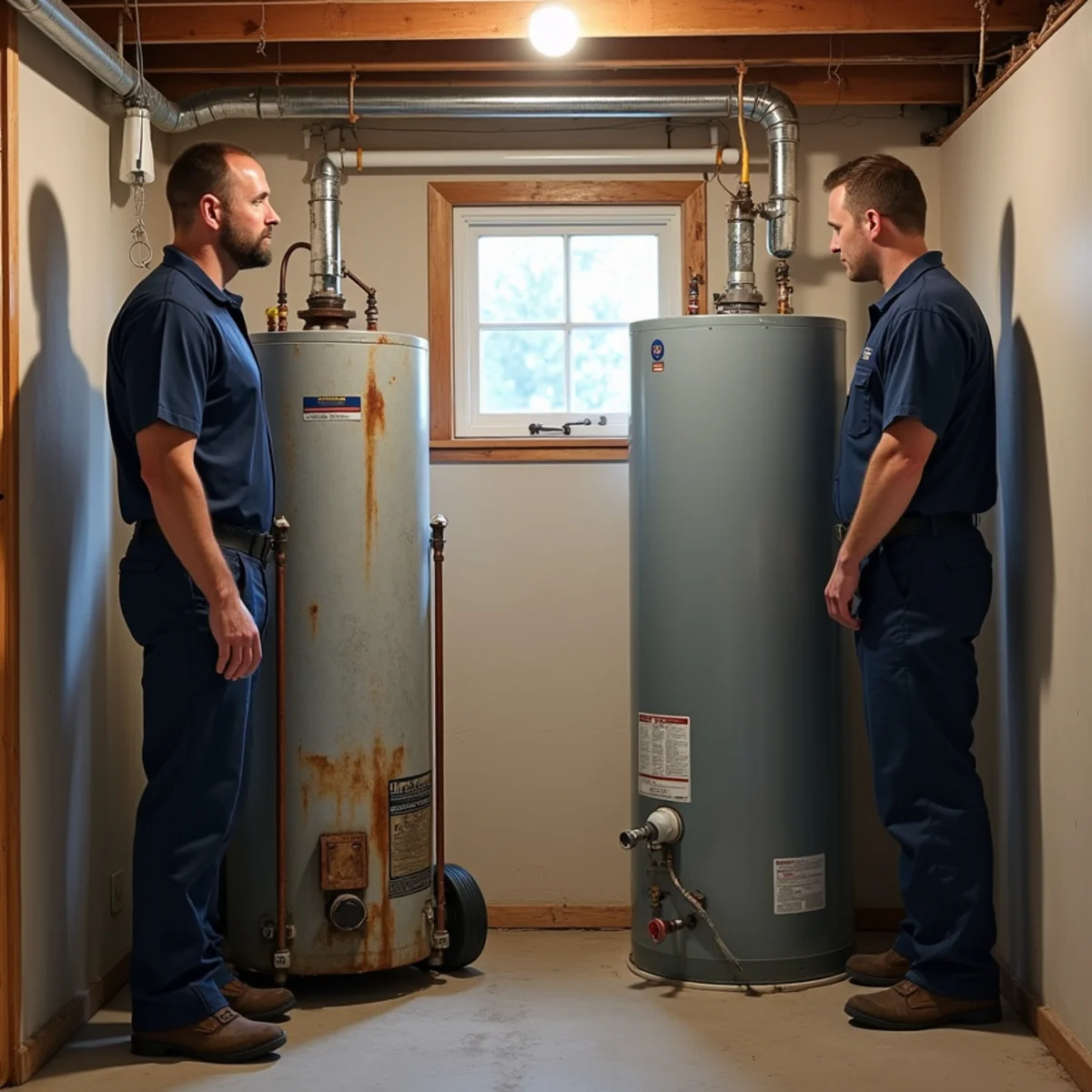
In Lake in the Hills water, a tank past ten years is on borrowed time even with no other symptoms. Past twelve, you are gambling with a finished basement.
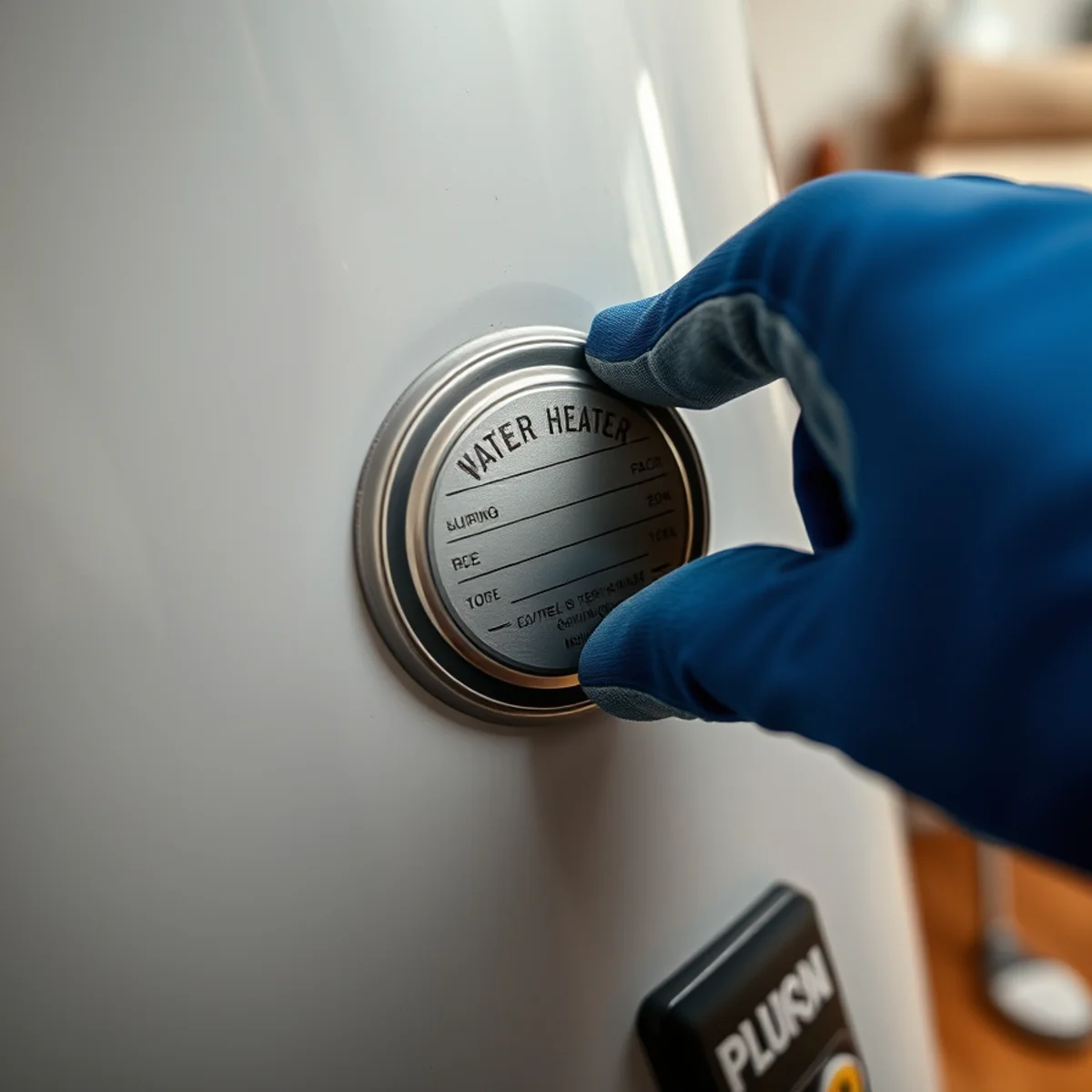
Find the manufacture date in the serial number on the data label. If you cannot decode it, send us a photo and we will.
There is no prize for squeezing an extra six months out of a thirteen-year-old tank. The difference between a planned replacement and an emergency one is the after-hours rate plus whatever the water ruins on the way down.
What to do next
If you have one symptom and the tank is under eight years old, a service call is the right move — most of these are repairable at that age.
If you have two or more symptoms, or the tank is past ten, get a replacement quote before it fails. Our water heater repair and replacement page covers what a proper install includes, including the expansion tank and permit that many quotes quietly omit.
And if it has already let go, that is what 24/7 emergency service is for. Shut the water off at the heater's cold inlet, kill the gas or the breaker, and call.
Quick answers
Can a water heater explode?
It is rare, and it requires the relief valve to be blocked or failed while a thermostat runs away. Far more common is a tank splitting and dumping its contents. That is exactly why relief valves must never be capped or plugged.
My water heater is leaking a little. Can it be repaired?
If the leak is at a fitting, a connection or the relief valve, yes. If water is coming from the tank body or seams, no — a breached tank cannot be repaired and needs replacement.
How long can I wait after I notice rusty hot water?
Not long. Rusty hot water with clear cold water means the tank lining is being attacked directly. Get a quote immediately and plan on replacement within weeks rather than months.
Need a hand with this?
Talk to the plumber who wrote this
We are a licensed, owner-operated shop on Pine Street in Lake in the Hills. Free written estimates on non-emergency work, and a real person answering the phone when it cannot wait.
- 5.0 from 11 Google reviews
- Licensed & insured
- 24/7 emergency service