Water Heaters
Why Your Water Heater Makes Rumbling or Popping Noises
It is not the burner and it is not air in the lines. It is water flashing to steam underneath a layer of hardened sediment — and it tells you something about how long the tank has left.

Stand next to your water heater while it fires. If you hear popping, crackling or a low rumble like a kettle coming to the boil, that sound has a specific and useful meaning.
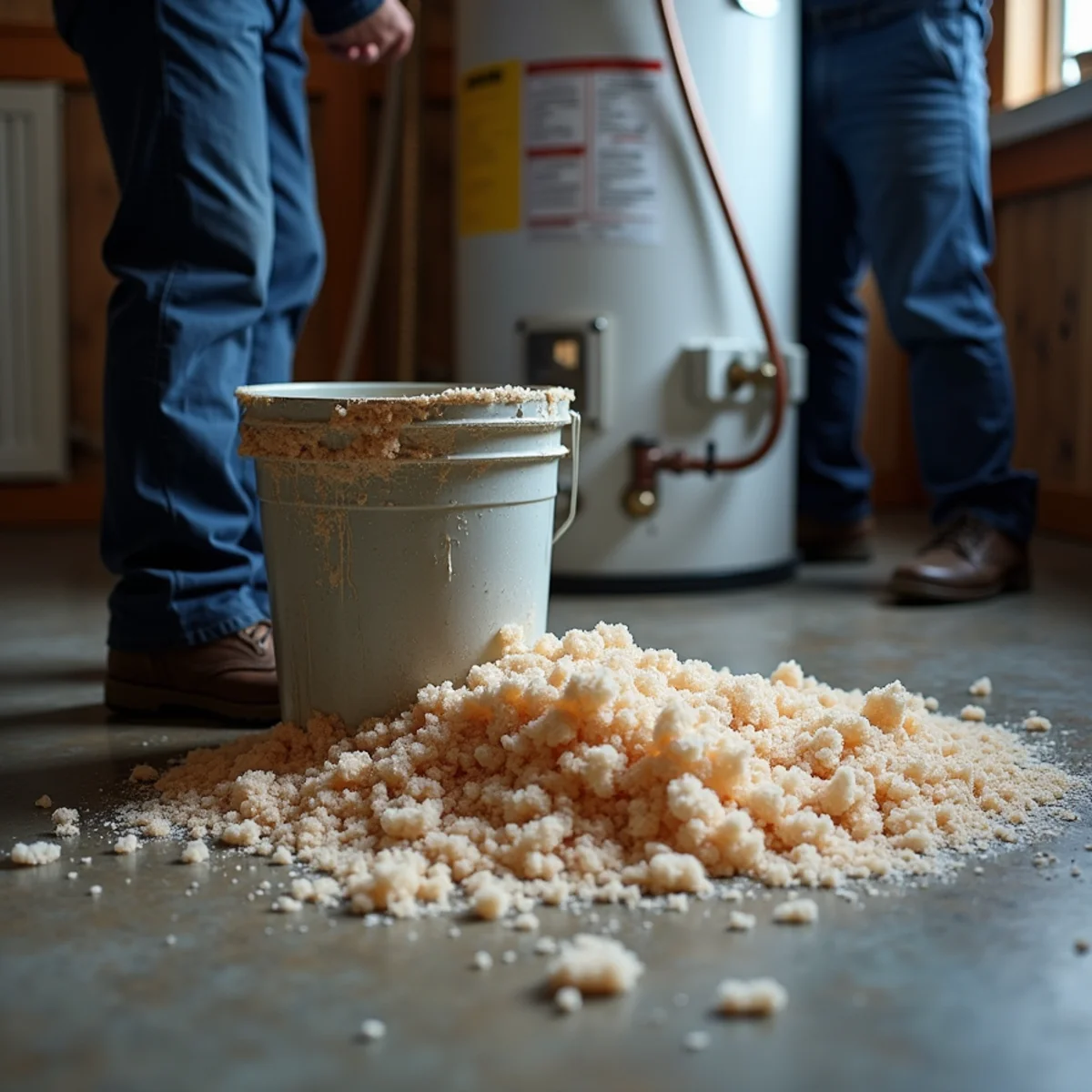
It is not air in the lines. It is not the burner misbehaving. It is water trapped underneath a layer of hardened sediment on the bottom of the tank, flashing to steam and forcing its way up through the crust.
And in Lake in the Hills, where the water runs 26 to 28 grains per gallon, it happens years earlier than the manufacturer's engineers expected.
How the sediment gets there
Dissolved calcium and magnesium stay comfortably in solution at room temperature. Heat the water and they precipitate out, falling to the bottom of the tank.
At first that is loose sediment — a flush would carry most of it out. Over years, and with the heat cycling constantly, it compacts and hardens into a crust bonded to the tank bottom.
A family of four here runs roughly 7,500 grains of mineral through the plumbing every day. Not all of it precipitates, but enough does. On untreated water, a tank that has never been flushed can have several inches of accumulated deposit by year six or seven.
Why the noise matters more than the noise
The popping itself is harmless. What it tells you is not.
That crust is an insulator sitting between the burner and the water it is supposed to be heating. The steel above it can no longer shed heat into the water efficiently, so it runs hotter than the design intended. Every heating cycle puts that section of tank through a thermal stress it was not built for.
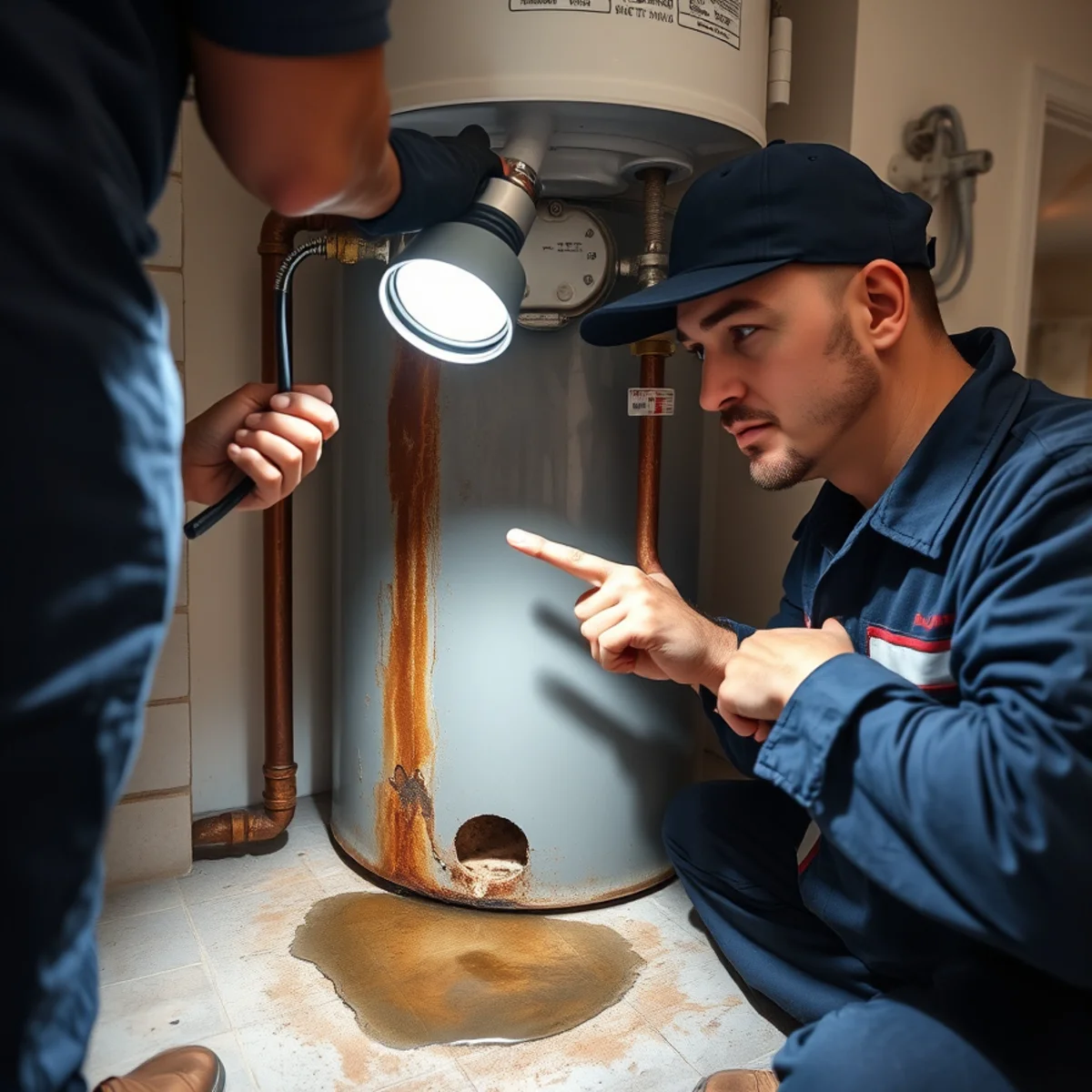
This is what actually kills water heaters. Not a dramatic event — a decade of accelerated thermal fatigue on an overheated tank bottom, until the steel finally fails and the glass lining goes with it.
It also costs you money the whole time. The burner runs longer for the same amount of hot water, which means more gas, more run time, more cycling, and more sediment production. It is a loop that accelerates.
The other noises, decoded
Rumbling is the common one, but a few other sounds have specific meanings worth knowing.
- Popping or crackling — steam escaping under sediment. The subject of this article.
- A low kettling hum — the same thing at a heavier deposit level, where steam is being produced more or less continuously.
- A sharp bang shortly after a tap closes — that is water hammer in the plumbing rather than the heater itself, usually indicating high system pressure. See [water pressure regulation](/services/water-pressure-regulator-lake-in-the-hills).
- Ticking or tapping — normally just pipe expansion against a strap or a joist. Harmless.
- A high-pitched whistle — sometimes a partially closed valve, sometimes the relief valve starting to pass. The second one needs looking at.
- Sizzling near the base — water dripping onto the burner assembly. That means a leak, and it is a very different conversation.
What to do about it
The answer depends almost entirely on the tank's age.
Under about six years old: flush it, and start flushing annually. Kill the power or set the gas to pilot, connect a hose to the drain valve, and run until the water is clear. There is a reasonable chance the deposit has not fully hardened and you will remove a meaningful amount. Then replace the anode rod — every three years in this water rather than the standard five, because extreme hardness consumes it far faster.
Between six and ten with heavy rumbling: a professional flush is worth trying, and expect limited results. The crust has bonded. Start planning the replacement rather than being surprised by it. If the tank has never been flushed, have a plumber do the first one — a drain valve sealed shut with scale can snap off, and then you have an emergency instead of a chore.
Past ten with rumbling, and especially with any rusty hot water: the noise is a countdown. Replace it on a Tuesday of your choosing rather than at midnight with water spreading across the basement floor.
The permanent fix
Flushing manages the symptom. It removes what has accumulated and slows what is coming.
A properly sized water softener removes the cause. Feed a water heater softened water and the sediment problem largely disappears — tanks reach their rated life, efficiency stays where it should be, and the anode rod lasts its normal interval instead of being consumed early.
The economics work out once you count everything the softener protects: not just the water heater but the dishwasher, the washing machine, the shower cartridges and the pipes themselves. If your heater is young and healthy, install treatment now and get its full life. If it is already ten years old and rumbling, replace the tank and add the softener at the same time so the new unit never drinks raw 27-grain water.
Quick answers
Is a rumbling water heater dangerous?
The noise itself is not. What it indicates — sediment insulating the tank bottom and causing the steel above it to overheat — shortens the tank's life significantly and eventually leads to failure. It is a warning rather than a hazard.
Will flushing my water heater stop the noise?
On a younger tank where the deposit has not fully hardened, often yes. On an older tank with a bonded crust, a flush removes loose material but the noise usually persists, because what is causing it will not come out through a drain valve.
How often should I flush my water heater in hard water?
Annually. In Lake in the Hills water that is not an optional best practice — it is the difference between eight to ten years of service life and twelve or more.
Need a hand with this?
Talk to the plumber who wrote this
We are a licensed, owner-operated shop on Pine Street in Lake in the Hills. Free written estimates on non-emergency work, and a real person answering the phone when it cannot wait.
- 5.0 from 11 Google reviews
- Licensed & insured
- 24/7 emergency service