Drains & Sewer
5 Reasons Your Drains Keep Clogging
A drain that clogs once is a clog. A drain that clogs every few months is a symptom — and clearing it again is treating the wrong thing.
One clog is a clog. Three clogs in the same drain over eighteen months is information.
When a line keeps closing down, something is making it easy for material to catch — and clearing it again without finding out what does not solve anything. Here are the five causes we actually find, roughly in order of how often.
1. Buildup coating the pipe wall
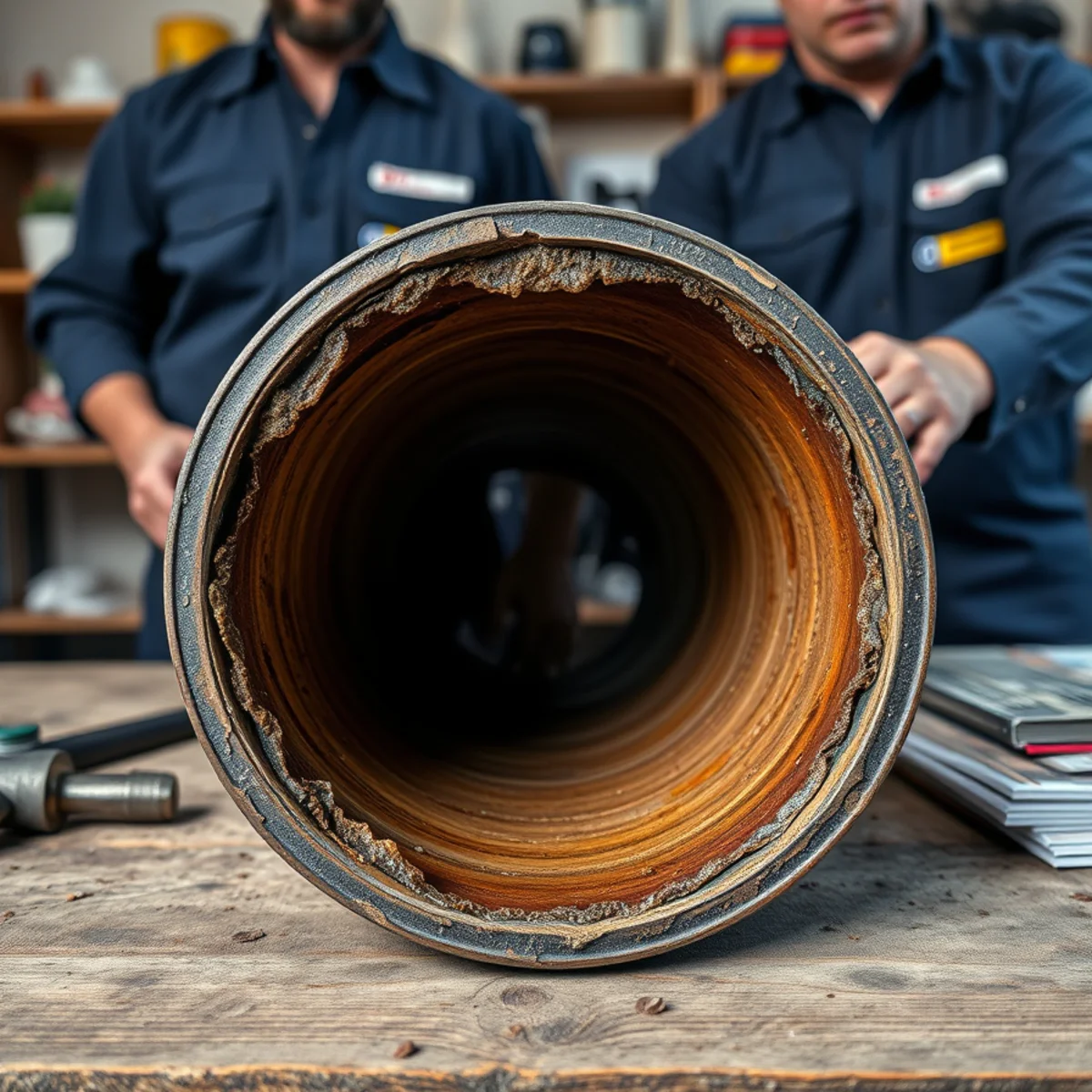
This is the most common cause of repeat clogs, and it is the one cabling does not fix.
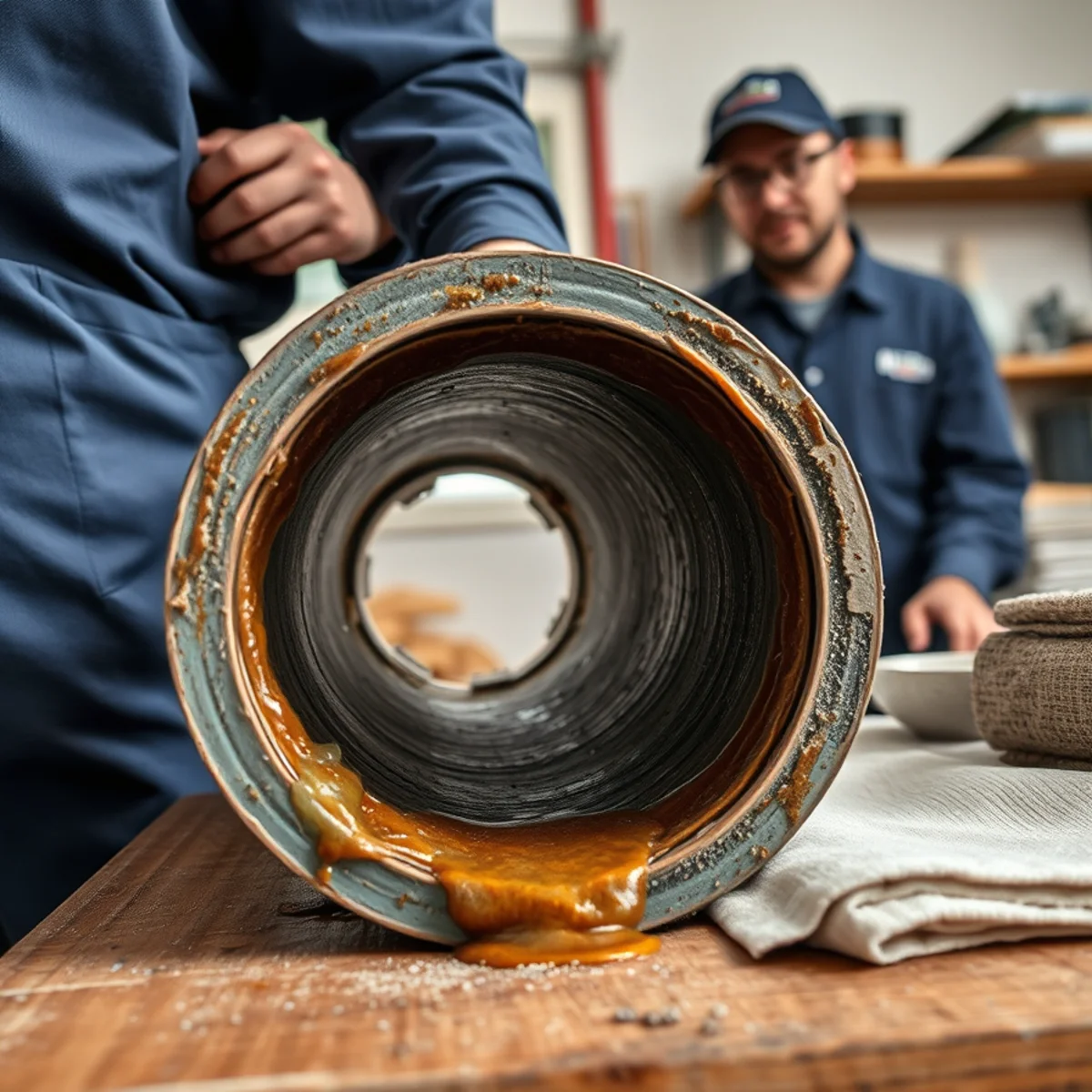
In kitchens, it is grease. Fats go down warm and liquid, cool a few feet along the pipe, and coat the wall. In bathrooms it is soap scum and hair. In Lake in the Hills specifically it is those things plus mineral scale, which gives everything else a rough surface to grab.
The tell is timing: the drain slows gradually over weeks, gets cleared, works perfectly, then slows gradually again. A cable made a hole; the coating is still there.
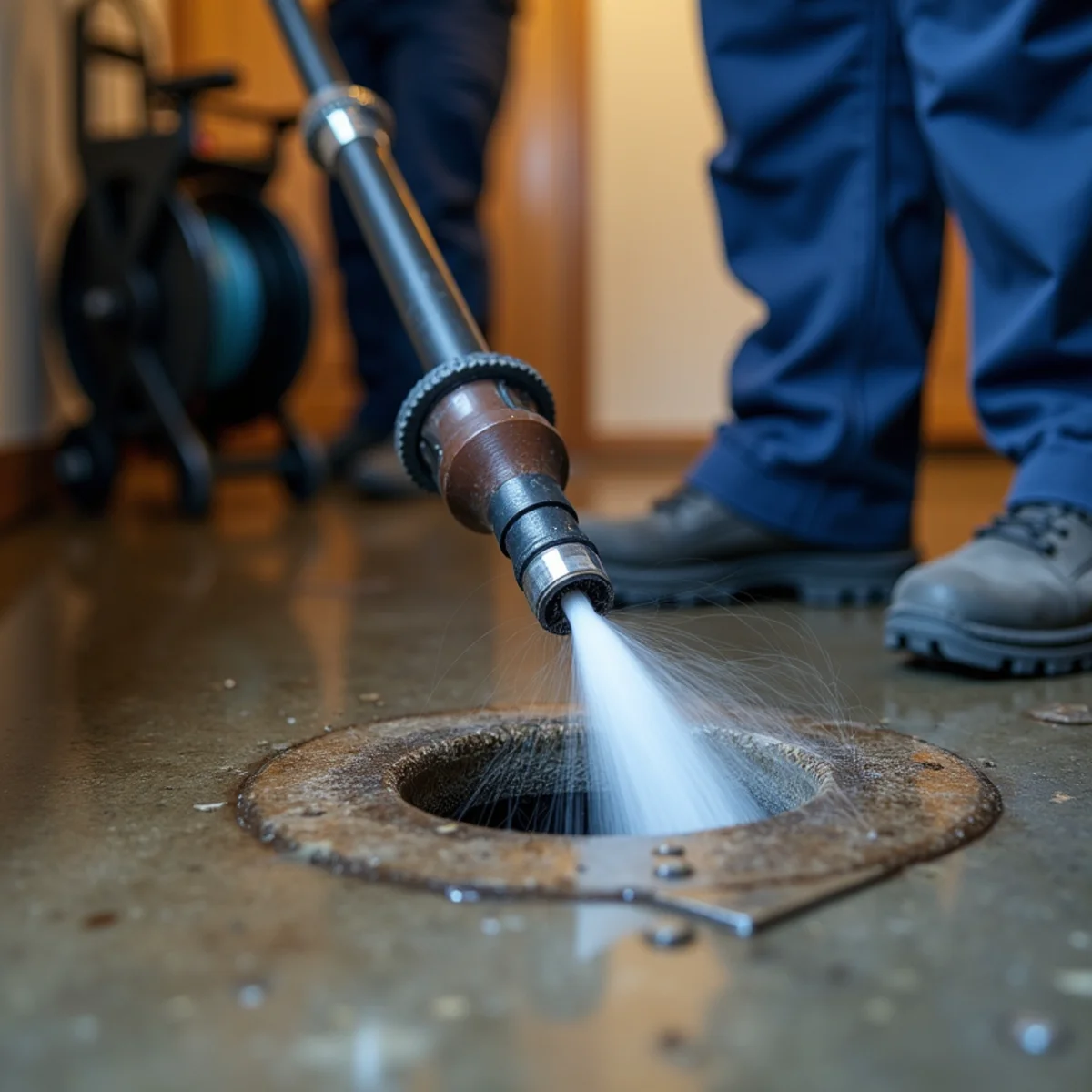
The fix is hydro jetting, which scours the wall back to full diameter rather than boring through the middle.
2. A belly in the line
A belly is a low spot where the pipe has sagged, usually from soil settling under it. Water pools there instead of flowing through, and every bit of solid material that arrives settles into the pool.
McHenry County's clay soil expands and contracts with moisture, which works on buried pipe over decades. Bellies are common in older laterals and in lines laid over poorly compacted backfill.
The signature is a drain that clogs on a fairly regular schedule regardless of what you do differently, and a camera that shows standing water in a section of otherwise sound pipe.
Cleaning helps temporarily. The real fix is excavating and re-sloping that section — and worth knowing, a trenchless liner follows the existing slope, so it preserves a belly rather than correcting it.
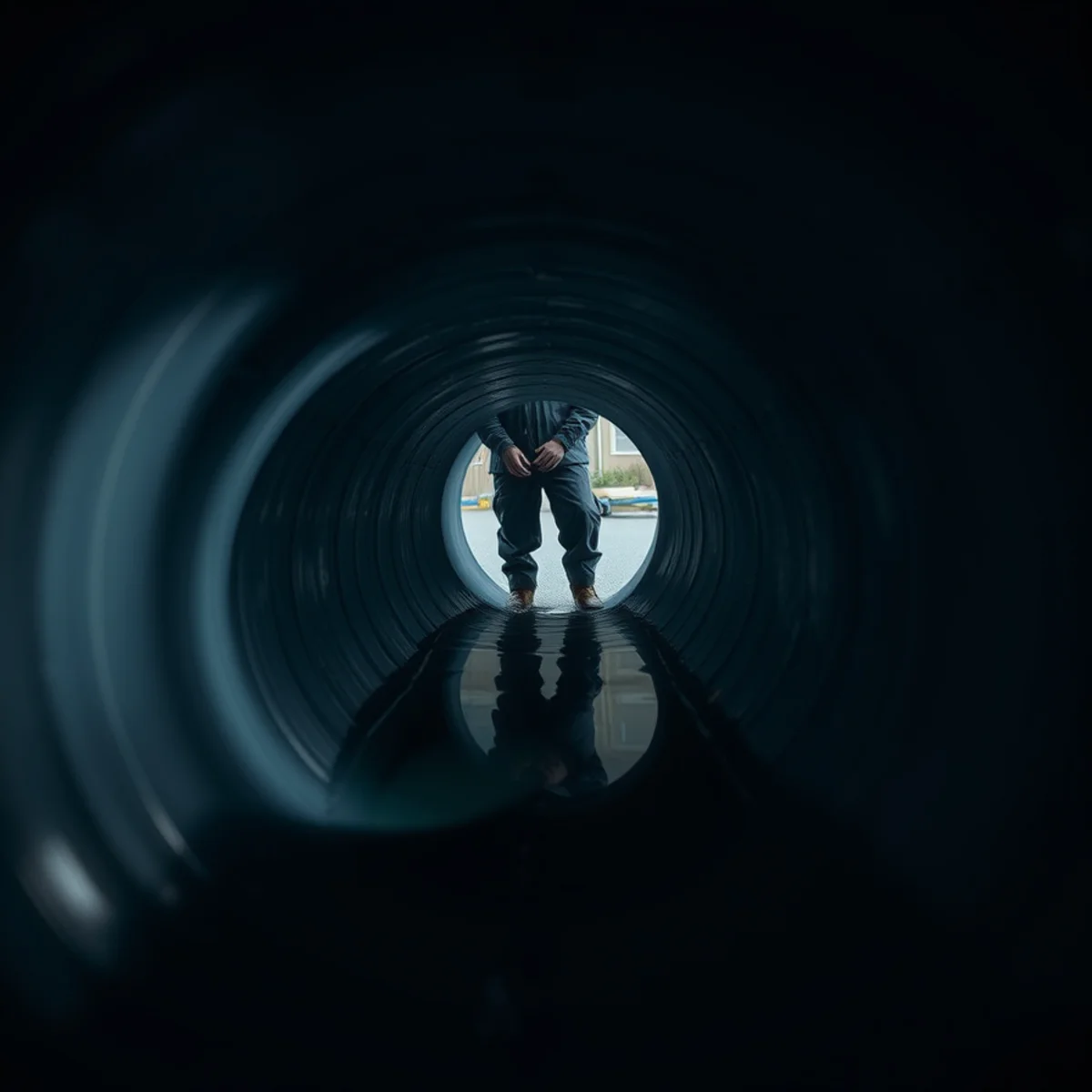
3. Tree roots at a joint
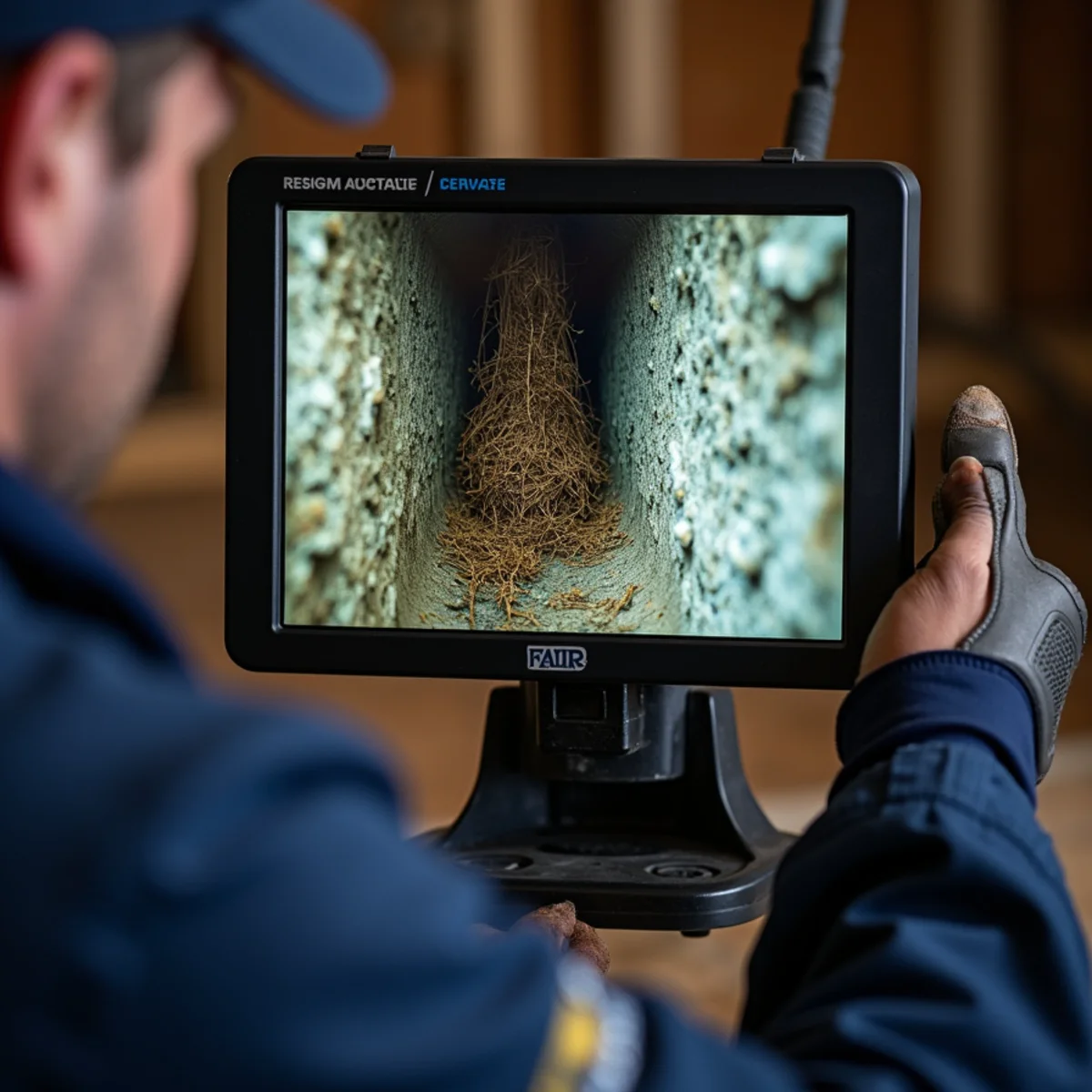
Roots do not attack sound pipe. They find joints where vapor or moisture is escaping, enter as fine hairs, and thicken into a mat that catches everything flushed past.
The pattern is distinctive: backups every one to two years, often worse in spring when root growth accelerates, in a home with mature trees near the line.
Cutting the roots restores flow but leaves the opening, so they return. What you do about that depends on the joint's condition — a spot repair, a cured-in-place liner over the section, or replacing a run.
This is the leading cause of recurring backups in older Crystal Lake, Cary and Woodstock neighborhoods, where the trees have had sixty-plus years to work on the pipe.
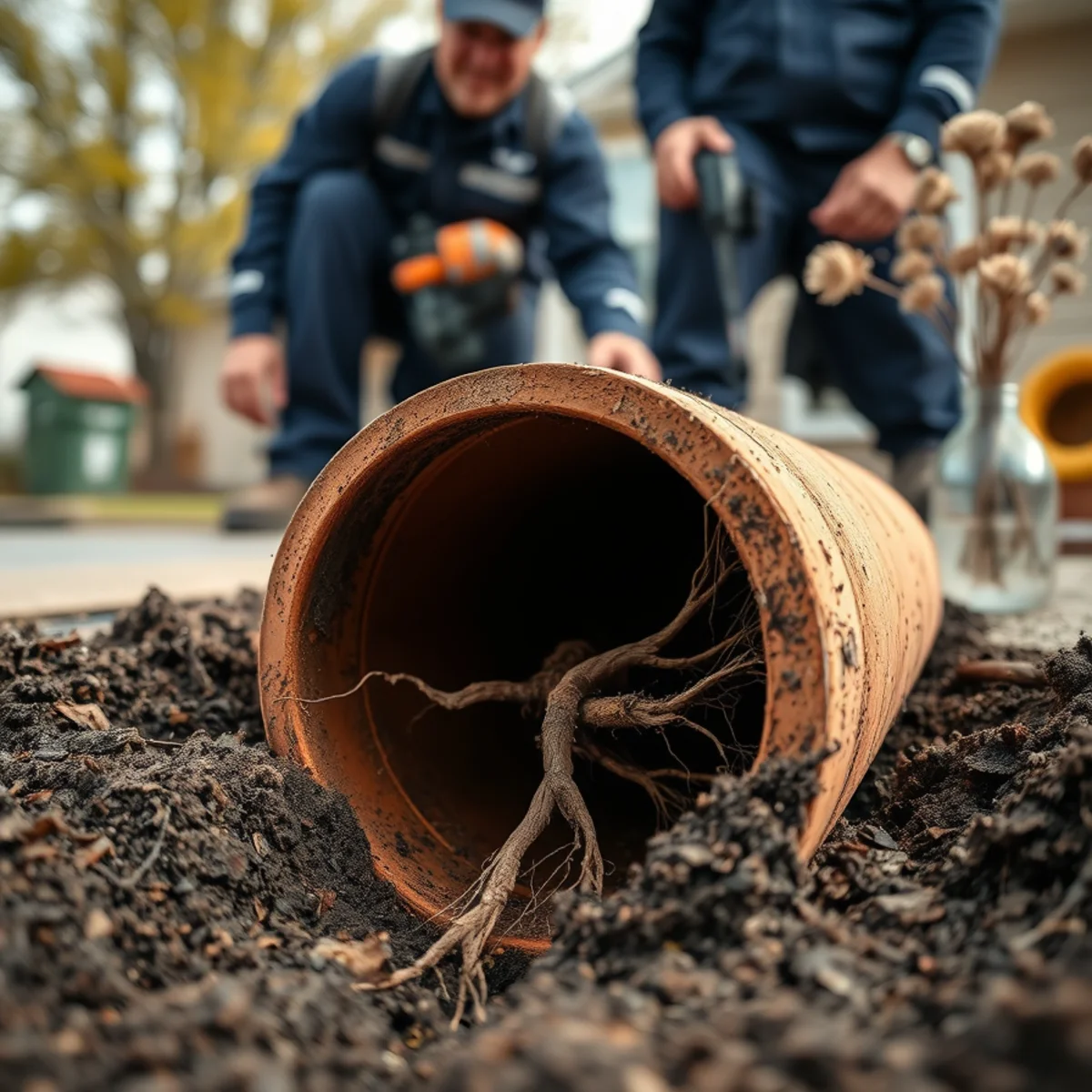
4. A venting problem
Drains need air. Every drain system has vents running to the roof that let air in behind draining water, the same way you need a second hole in a juice can to pour smoothly.
When a vent is blocked — a bird's nest, leaves, ice in winter, or a vent that was never installed correctly on a remodeled bathroom — water drains slowly and pulls air through the nearest trap instead. That is what gurgling is.
The symptoms are easy to misread as a clog, and cabling the drain does nothing because the drain is not blocked. If your fixtures gurgle, drain slowly across the house, or you get intermittent sewer odor, get the venting checked before anyone cables anything.
5. What is going down the drain
Sometimes the answer really is habits, and it is worth being honest about.
- Flushable wipes. They are not flushable. They do not break down, they catch on anything rough in the line, and they are the number one cause of ejector pump failures in basements.
- Grease and cooking oil. The single biggest kitchen line offender.
- Coffee grounds, rice, pasta and potato peels through a disposal. They swell or pack into a paste that does not move.
- Fibrous vegetables — celery, corn husks, artichokes — which wrap around disposal impellers.
- Hair without a catcher. A few dollars of prevention per drain.
- Chemical drain cleaner, which in this village's hard water can react with mineral scale into a dense plug that is far worse than the original clog.

How to tell which one you have
One fixture slow, everything else fine: a branch line problem — buildup or an object.
Multiple fixtures slow at once: the main line, and worth taking seriously before it becomes a backup.
Gurgling when another fixture runs: venting, or a partial main blockage.
Backups on a regular annual or biennial schedule: roots, or a belly.
Water rising in the basement floor drain: the main is blocked. Stop using water in the house immediately and call — every flush adds to what comes up.
When to stop clearing and start diagnosing
The rule we use: if the same line has been cleared twice, the third visit should include a camera.
A camera inspection costs a fraction of what three more cabling visits will, and it answers the question definitively. You watch the footage with us — scale, grease, roots, a belly and a crack all look completely different on screen.
Sometimes the answer is genuinely good news: the line is sound and just needed a proper cleaning. Sometimes it is not, and you would rather know now than during a backup. Either way, our sewer camera inspection page explains what the process involves.
Quick answers
Why does my kitchen sink keep clogging?
Almost always grease coating the pipe wall. It goes down warm, cools a few feet along the line, and builds up over years. Cabling bores through it; jetting removes it. Running cold water with the disposal instead of hot slows the process considerably.
Are flushable wipes really a problem?
Yes. They do not break down the way toilet paper does, they snag on anything rough in the line, and they are the leading cause of sewage ejector pump failures. Nothing but toilet paper should go down a toilet.
How do I know if I need a camera inspection?
If the same line has been cleared twice, or if multiple fixtures are slow at once, a camera is worth it. It costs far less than repeated service calls and it tells you whether you are managing a maintenance issue or looking at a structural one.
Need a hand with this?
Talk to the plumber who wrote this
We are a licensed, owner-operated shop on Pine Street in Lake in the Hills. Free written estimates on non-emergency work, and a real person answering the phone when it cannot wait.
- 5.0 from 11 Google reviews
- Licensed & insured
- 24/7 emergency service