Garbage Disposal Repair & Installation
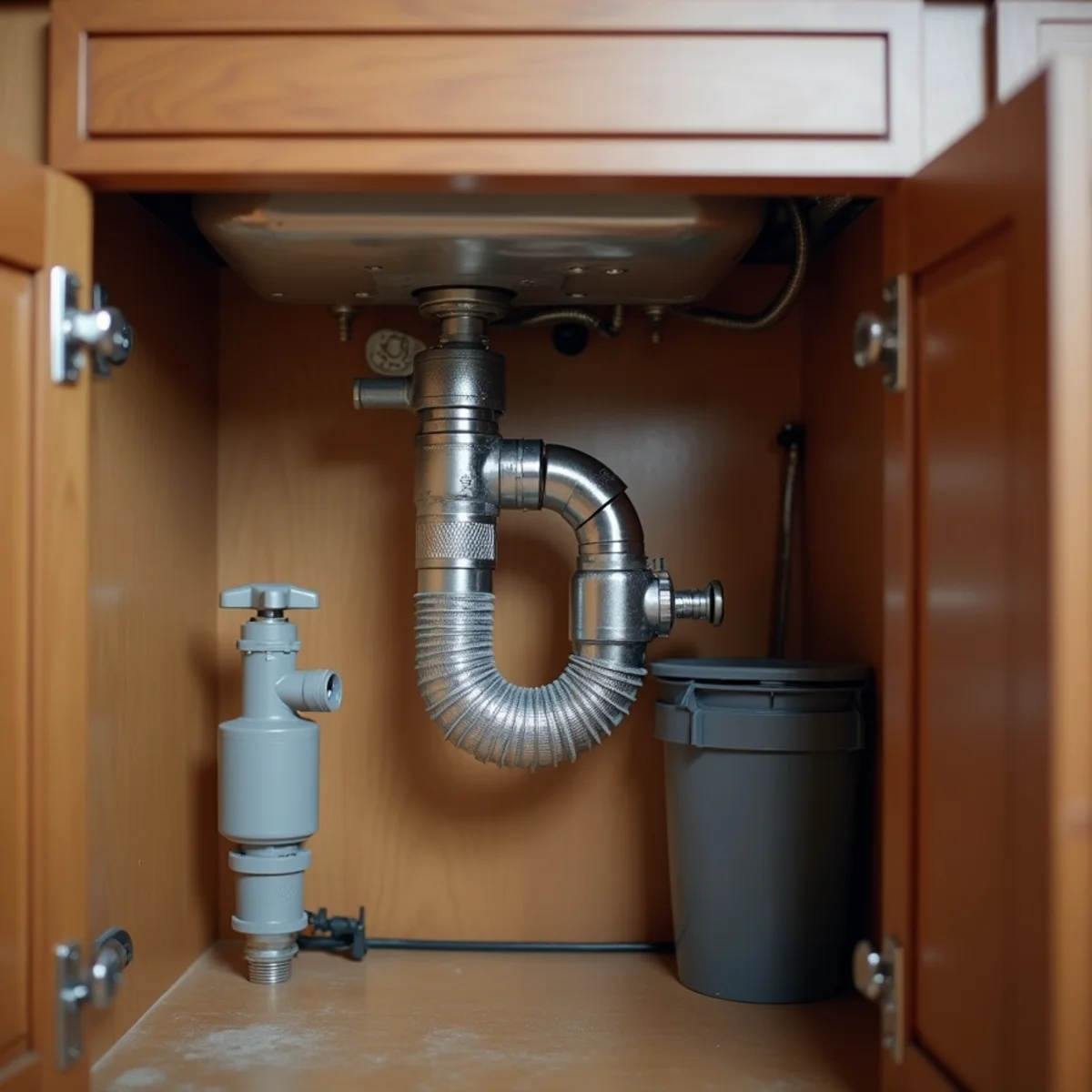
Disposals, dishwasher hookups, sink drains and ice maker lines — the kitchen plumbing that fails at the worst time.
Learn more
Artisan Water Group
Appliance connections are where a lot of quiet water damage starts, because they are behind or underneath something and nobody looks at them for years.
Need this handled today? Call and a real person answers — nights, weekends and holidays included. You get the price before we start.
The failures are predictable. A dishwasher drain hose without a high loop siphons dirty sink water back into the machine. A washing machine on rubber supply hoses that were installed in 2009 lets go and empties the supply into the laundry room. An ice maker fed by an old self-piercing saddle valve clogs, then leaks behind the refrigerator where nobody will see it until the floor buckles.
None of that is exotic. It is all preventable at installation, and all of it is cheap to correct on a Tuesday compared to what it costs after.
Some are installations, some are the consequences of an installation someone rushed.
Nearly always a drain issue — a clogged air gap, a blocked disposal inlet, or a knockout plug that was never removed when a disposal was installed. It presents as a broken appliance and usually is not one.
Missing high loop. Dirty sink water siphons back down the drain hose into the machine between cycles. Correcting it takes minutes.
Supply hose, drain standpipe or a valve weeping. Rubber supply hoses have a service life and braided stainless is the sensible upgrade.
A clogged self-piercing saddle valve, a kinked line or a frozen supply tube. Saddle valves are a fitting we replace rather than repair.
A dishwasher or ice maker with no dedicated valve means shutting the whole house down to service it. Adding one is cheap insurance.
New supply runs, correct valves and a route that does not cross anything it should not. This is planning work as much as plumbing work.
Every one of these ends with a fill test and a paper towel, because a hand cannot find a slow weep.
The valves serving appliances are often the oldest in the house and frequently seized. We verify they close before starting, and replacing them with quarter-turn valves is inexpensive.
New disposals ship with the dishwasher inlet sealed. It has to be punched out and the disc retrieved before the drain hose is connected. Skipping it is the single most common dishwasher installation error there is.
The drain hose rises and is secured under the counter before dropping to the disposal or standpipe. That is what stops sink water siphoning into the machine.
New braided stainless lines rather than reused rubber, correct thread sealant, and no over-tightening that distorts a fitting.
For ice makers and fridges we install a proper tee and a quarter-turn valve. Self-piercing saddle valves clog and then leak, and they are not something to leave behind a refrigerator.
Fill and drain the appliance under load, then run a paper towel around every joint. Paper finds weeps that a hand misses entirely.
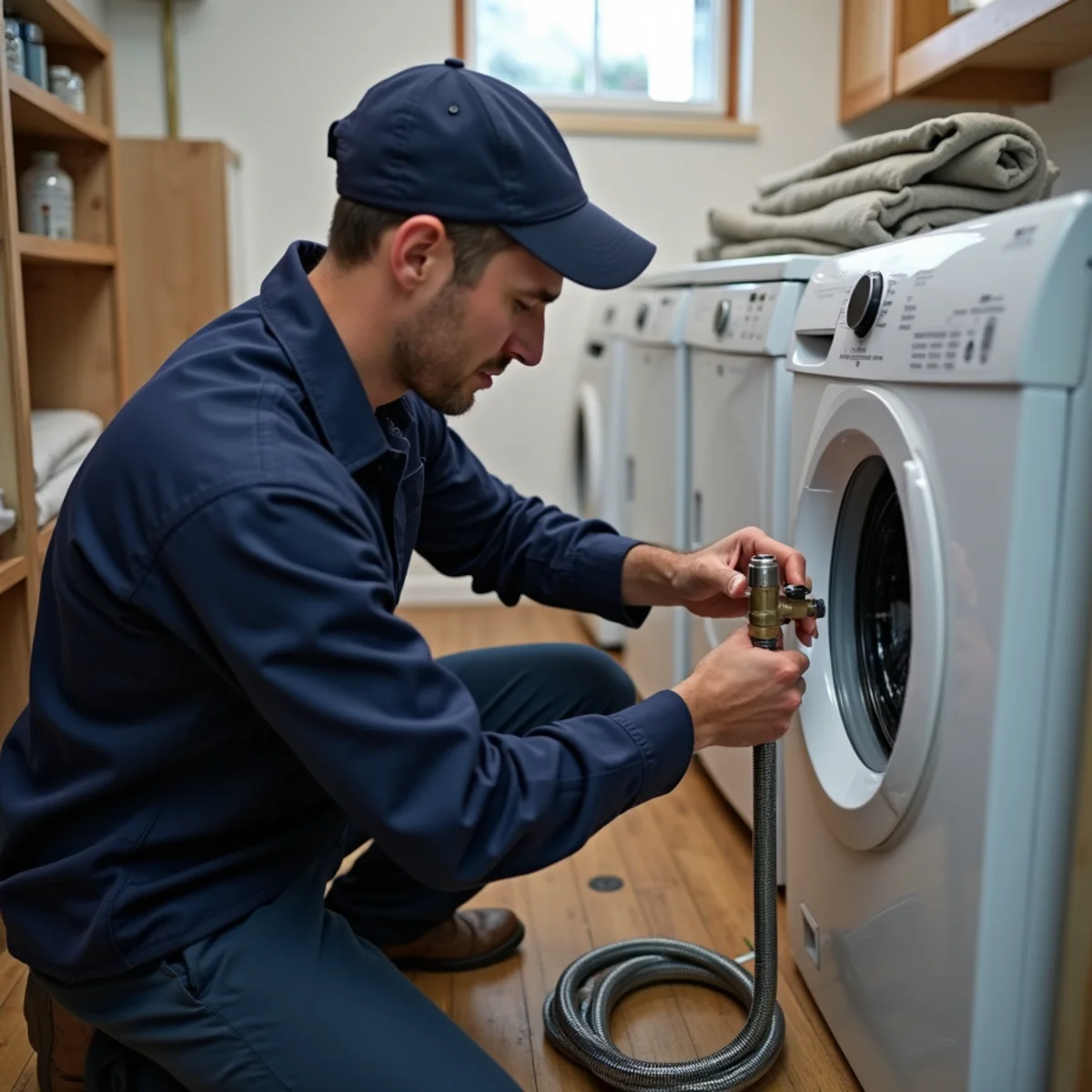
A washing machine supply hose is under full household pressure twenty-four hours a day, whether the machine is running or not. Rubber hoses age, harden and eventually split — and when one lets go, it does not drip. It delivers several gallons a minute until somebody notices.
Two things fix this permanently and cost very little. Replace rubber hoses with braided stainless steel, which resist bursting and last far longer. And install a single-lever laundry shutoff valve so both hot and cold can be closed with one motion when you go away.
The other habit worth adopting: check behind the machine once a year. Look for corrosion at the fittings, stiffness or bulging in the hoses, and any staining on the floor. If your hoses do not have a date on them and you cannot remember replacing them, they are due.
The ice maker is where hard water shows up in a way people notice daily — cloudy cubes that carry a taste of whatever is in the freezer, and a machine that scales up internally over a few years.
The right connection is a proper tee with a quarter-turn shutoff, not a self-piercing saddle valve. Saddle valves work initially and then clog with mineral, and the failure mode is a slow leak behind a refrigerator that nobody moves.
If you have a reverse osmosis system at the kitchen sink, feeding the ice maker from it is one of the most-appreciated add-ons we do — clear ice, neutral taste, and dramatically less scale in the machine. It is a short line run and it is worth doing at the same time as the RO install rather than later.
These are small, predictable jobs unless the existing connections need bringing up to standard.
If your appliance came with a hookup kit, we will use it where it is decent and tell you plainly when a component in it is not worth installing.
Most often a plumbing issue rather than an appliance one — a clogged counter air gap, a blocked disposal inlet, or a knockout plug that was never removed when the disposal went in. All three are quick to check.
The drain hose is routed up and secured under the counter before dropping to the disposal or standpipe. It stops dirty sink water siphoning back into the dishwasher. Yes, you need one — or a counter-mounted air gap instead.
Rubber hoses every five years or so; braided stainless lasts considerably longer. If you cannot remember when yours were last changed, they are overdue. A burst supply hose is one of the most common large water damage claims there is.
Yes. We install a proper tee and a quarter-turn shutoff rather than a self-piercing saddle valve. If you have reverse osmosis at the sink, we can feed the ice maker from it so you get clear ice instead of cloudy.
Not always, but the details that get missed — the knockout plug, the high loop, the condition of the shutoff — are exactly the ones that cause callbacks and cabinet damage. It is a short visit and it is the difference between a dry cabinet base and a swollen one.
Often needed together
These come up on the same houses more often than not.
Disposals, dishwasher hookups, sink drains and ice maker lines — the kitchen plumbing that fails at the worst time.
Learn moreSink relocation, island drains and vents, pot fillers and appliance connections — planned before the cabinets are ordered.
Learn moreUnder-sink reverse osmosis and whole-home carbon filtration for water that tastes right and protects your ice maker and coffee maker.
Learn moreWorth reading first
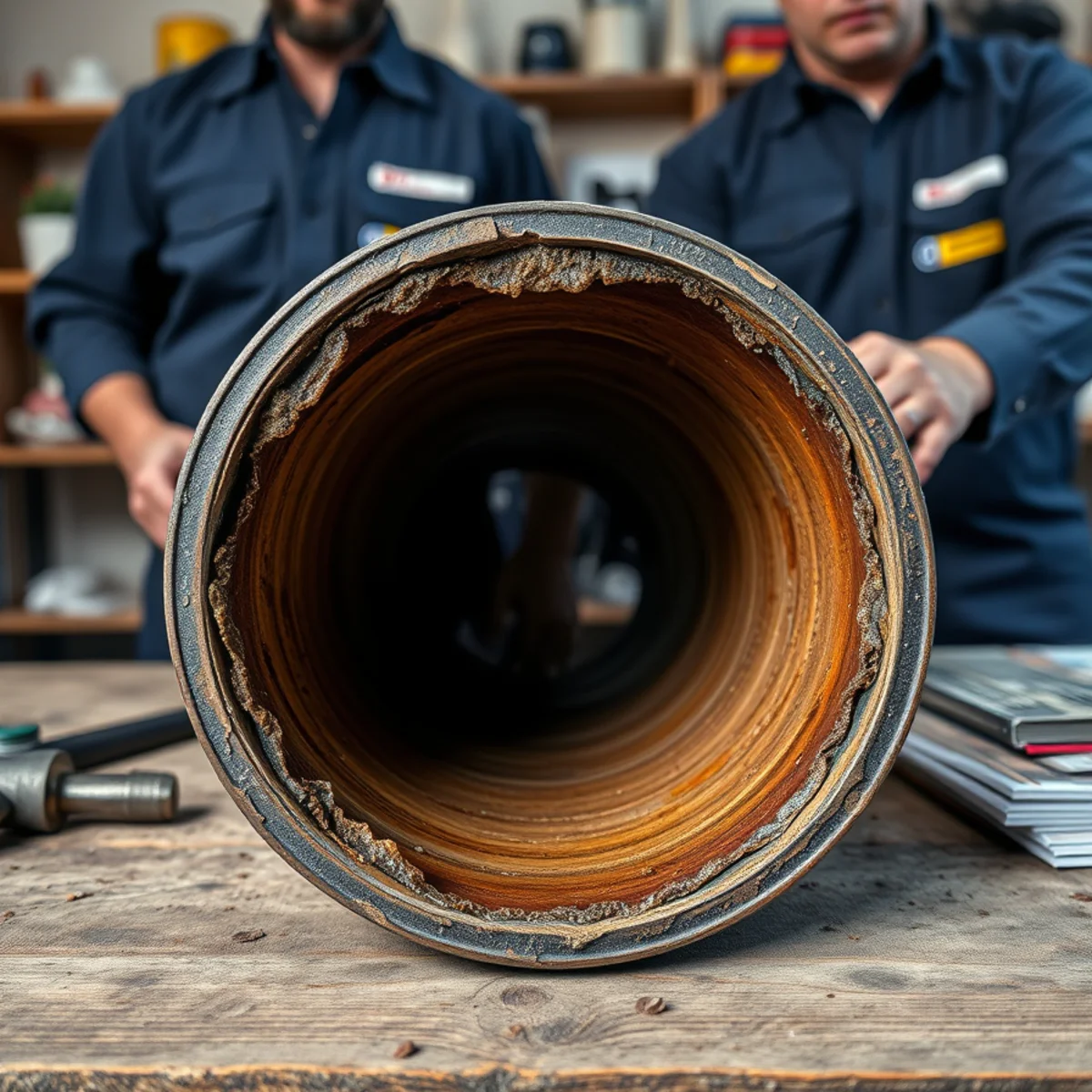
A drain that clogs once is a clog. A drain that clogs every few months is a symptom — and clearing it again is treating the wrong thing.
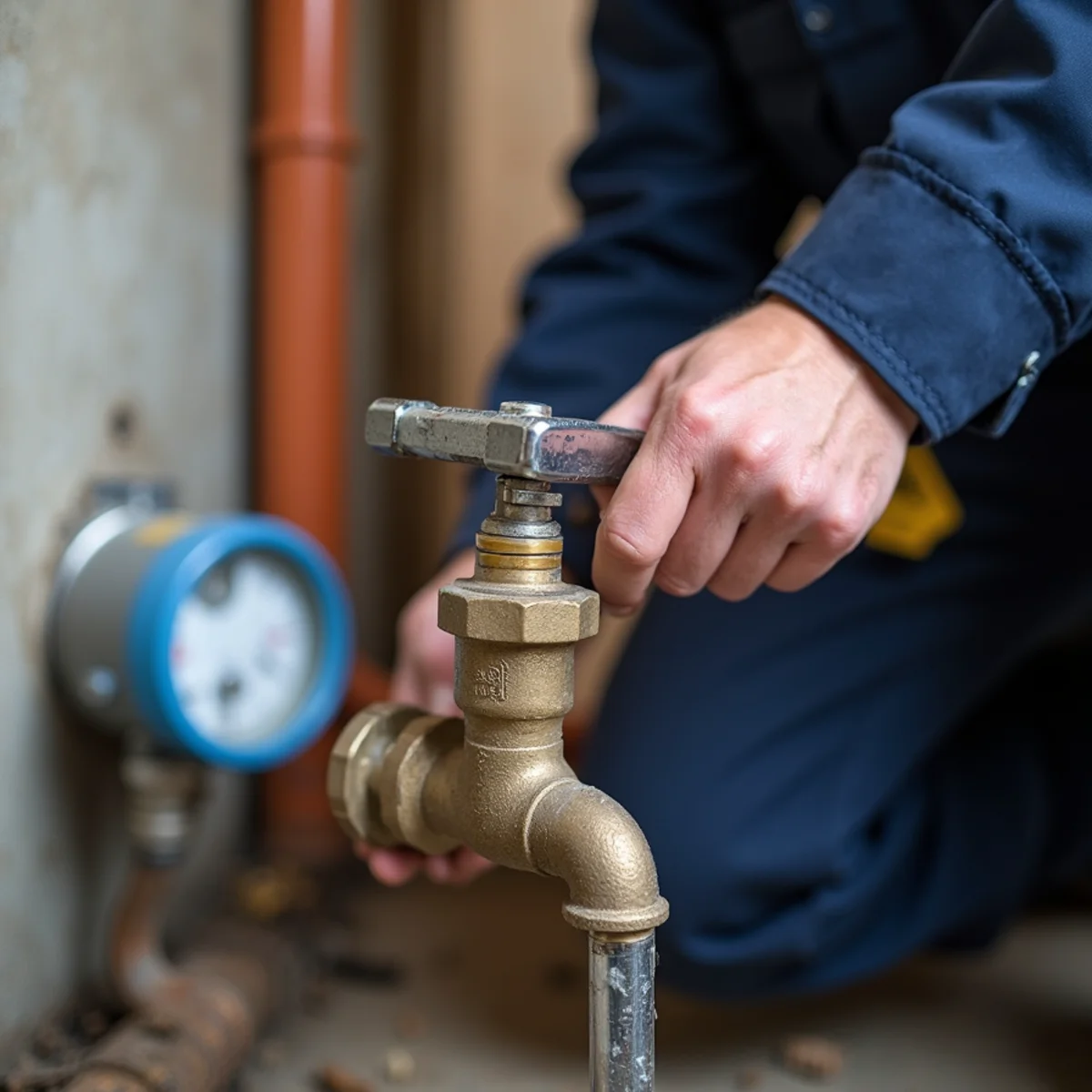
The five minutes between a pipe failing and the water stopping determine whether you have a repair or a remediation. Here is how to win those five minutes.
Dishwasher & Appliance Hookups
Call and talk to the person who will do the work. Free written estimates on non-emergency dishwasher & appliance hookups, and a price before we start on anything urgent.
Tell us what is going on and we will get back to you with a straight answer. No obligation, no pressure.
5.0 from 11 Google reviewsLicensed & insuredFree written estimates
Our online form is not taking submissions just yet.
Please call (207) 419-2600 instead — a real person answers, nights and weekends included, and we can usually sort it faster on the phone anyway.
We are a licensed, insured, owner-operated shop based on Pine Street in Lake in the Hills. That means the person quoting the job is the person doing it, and nobody here is measured on how much they sold you.
Every recommendation starts with the water. At 26–28 grains per gallon, our supply is roughly six times harder than the national average, and it is the single biggest factor in how long anything in your plumbing lasts. Fixing the symptom without addressing that is how you end up calling someone again in two years.
And when a permit is required — water heaters, sewer work, gas piping — we pull it and show the fee on its own line. Ask every plumber you talk to for the same. Read more in our guide to plumbing permits in McHenry County.