Backflow Prevention & Testing
Annual testing, device repair and new installations that keep your irrigation or boiler from contaminating the drinking supply.
Learn more
Artisan Water Group
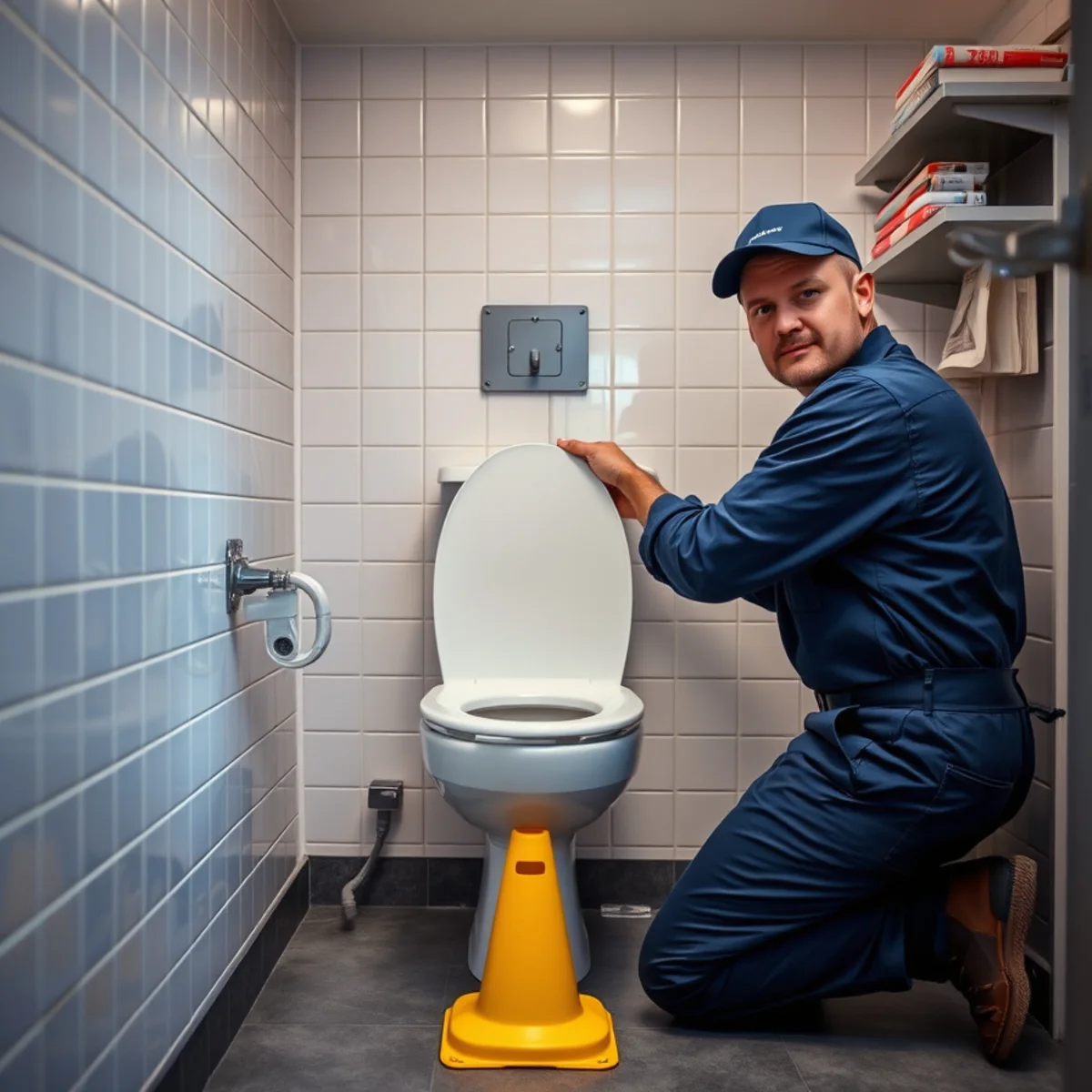
We are a residential-focused shop, and we say that plainly rather than claiming to be everything. What we do handle well is small commercial and light industrial work — the strip mall tenant, the office suite, the salon, the small restaurant, the church, the light manufacturing bay.
Need this handled today? Call and a real person answers — nights, weekends and holidays included. You get the price before we start.
Those properties frequently struggle to get a plumber who will treat them as a real customer. The large commercial contractors are booked on new construction and institutional contracts. The residential shops are not equipped for the fixture types or the compliance requirements. Small business owners end up calling whoever answers.
If your building is larger than that — a multi-storey with a booster system, a full institutional kitchen, or an industrial process line — we will tell you honestly that you want a specialist, and we would rather say so than take a job we are not the right shop for.
Scheduled around your hours, because a plumber in the middle of your service period is not much help.
Flushometers, commercial faucets, sensor fixtures, wall-hung carriers and floor drains. Different hardware from residential, and it wears faster because of the volume.
Kitchen lines in food service accumulate grease at a rate no residential line approaches. Jetting on a schedule beats emergency clearing during a dinner service.
Commercial properties frequently have multiple devices with annual test requirements and stricter record-keeping. We test, repair and file.
Commercial units, higher recovery requirements, and sometimes multiple heaters. Downtime planning matters as much as the install.
A leak in a tenant space affects a business's ability to operate. We prioritise accordingly and we work after hours when that is what keeps you open.
Fitting out a space for a new use — adding a mop sink, a hand sink, an ADA restroom, or the connections a new tenant's equipment needs.
The difference from residential is mostly about scheduling and documentation.
Before we discuss the plumbing, we establish when we can be in the space. A restaurant, a salon and an office all have different windows and there is no point planning around the wrong one.
Photographs, findings and a written scope. Commercial clients typically need something they can put in front of a landlord, a franchisor or an insurer.
Not just the cost but how long the fixture, the restroom or the kitchen line will be out of service. That is frequently the number that matters more.
Commercial permitting is generally stricter than residential and we handle it. Unpermitted work in a leased space is a problem for the tenant and the landlord both.
Barriers, floor protection and containment. A retail or food service space cannot look like a construction site when the doors open.
Photos, invoice detail, permit records and any compliance filings. If a health inspector or a landlord asks later, you have the paperwork.
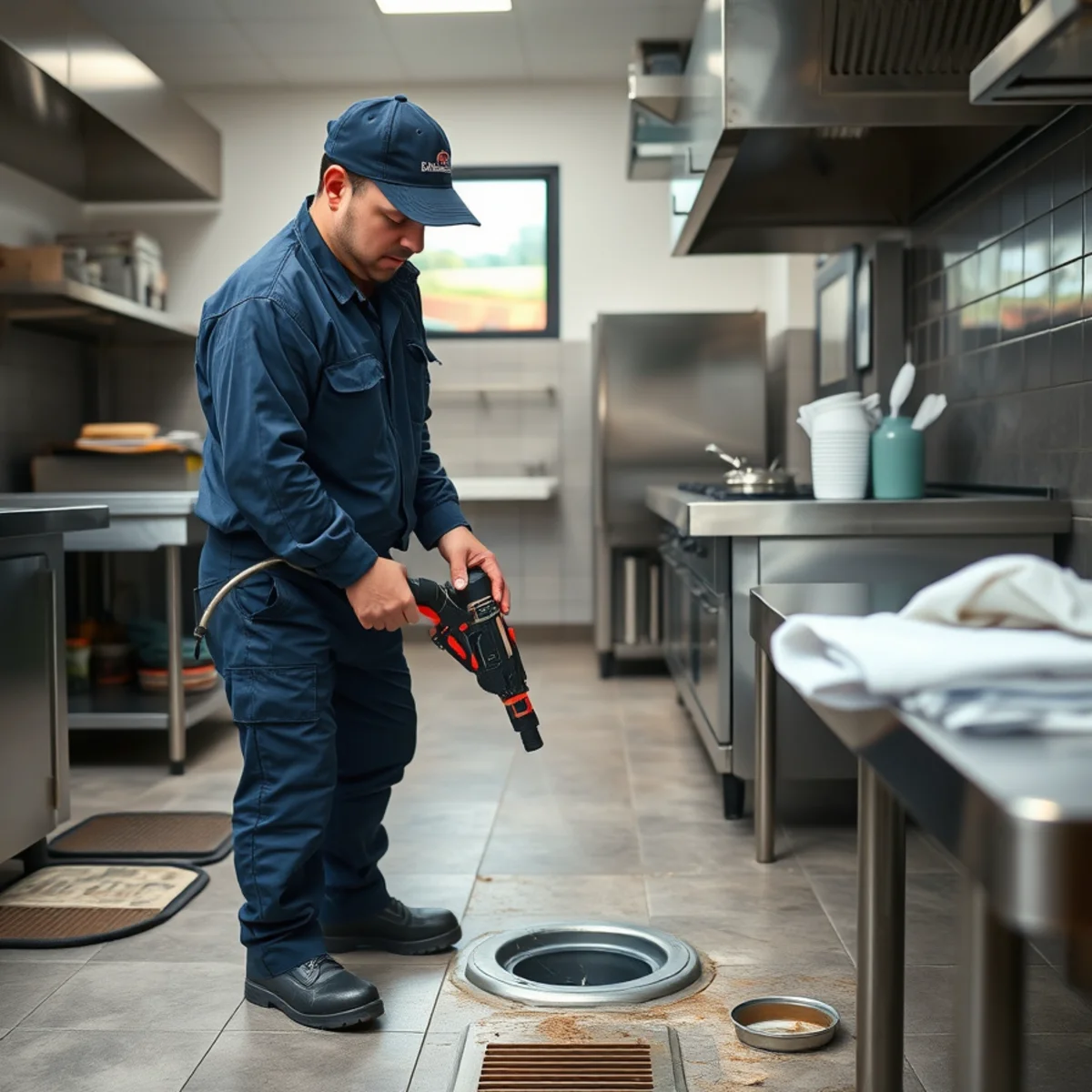
A food service kitchen puts more grease through its drain in a week than a household does in a year, and the physics are unforgiving. Warm grease goes down liquid, cools within a few feet, and coats the pipe wall. Every service adds a layer.
Cabling a grease-coated line bores a channel through it and buys weeks. Hydro jetting scours the wall back to full diameter and buys months to years depending on volume. For any commercial kitchen, jetting on a planned interval is the only approach that actually works.
The other half is the grease interceptor. It only functions if it is pumped on schedule, and an overfull interceptor sends grease straight into the line the interceptor exists to protect. We will tell you honestly whether your line problem is a cleaning issue or an interceptor service issue, because throwing jetting at the second one is money badly spent.
Two things surface repeatedly in small commercial spaces, usually at the worst moment.
Backflow devices. Commercial properties often have several — irrigation, boiler feed, a fire line, a carbonator at a beverage station — and each needs annual testing with a filed report. The notice goes to the property owner, who may or may not be the tenant operating the business. When it lapses, it lapses quietly until someone enforces it. Our backflow prevention and testing page covers what is involved.
Unpermitted prior work. Tenant spaces accumulate modifications — a sink added by a previous occupant, a floor drain relocated, a line run for equipment that has since been removed. When a new build-out is permitted, the inspector sees all of it. Finding out during your fit-out that a previous tenant's plumbing has to be corrected is an unwelcome cost, and it is why we look at what is actually there before quoting. See code violation corrections for how we handle that side.
The variables that differ most from residential are timing and documentation.
For recurring needs — grease line maintenance, annual backflow testing — a scheduled arrangement costs less and prevents the emergency version of the same job.
Small commercial and light industrial, yes — retail, office, salon, small restaurant, church, light manufacturing. For large multi-storey buildings, institutional kitchens or industrial process work we will tell you honestly that you want a specialist contractor.
Yes, and for most retail and food service clients that is the sensible arrangement. After-hours labour costs more and usually saves far more in lost trade. We will price both so you can decide.
It depends on volume and menu, but a planned interval — quarterly to twice yearly for many kitchens — costs far less than clearing a blocked line during service. We will recommend an interval based on what the first jetting reveals.
Yes, including multiple devices on one property, repairs where a device fails, and filing the reports. Commercial properties frequently have more devices than the owner realises.
Yes. Tenant improvement plumbing is regular work for us — adding sinks, meeting ADA fixture requirements, and connecting equipment. The first thing we do is look at what previous tenants left behind, because that frequently affects the permit.
Often needed together
These come up on the same houses more often than not.
Annual testing, device repair and new installations that keep your irrigation or boiler from contaminating the drinking supply.
Learn moreHigh-pressure water that scours the pipe wall back to full diameter — the fix for lines that keep clogging after cabling.
Learn moreFailed inspections, sale-blocking violations and previous-owner DIY — corrected, permitted, re-inspected and documented.
Learn moreWorth reading first
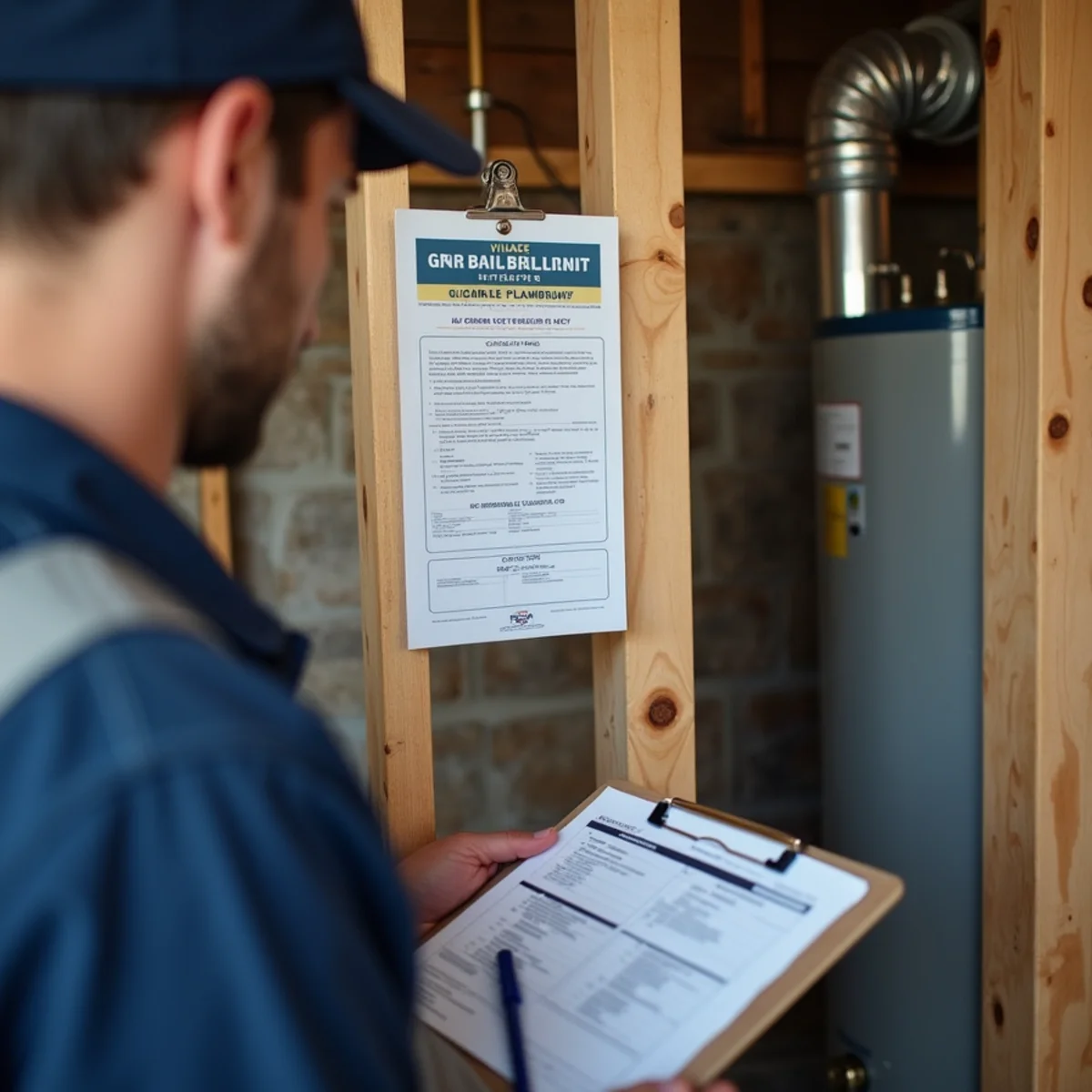
Permits feel like paperwork until you file an insurance claim or sell the house. Here is what actually requires one and why it protects you.
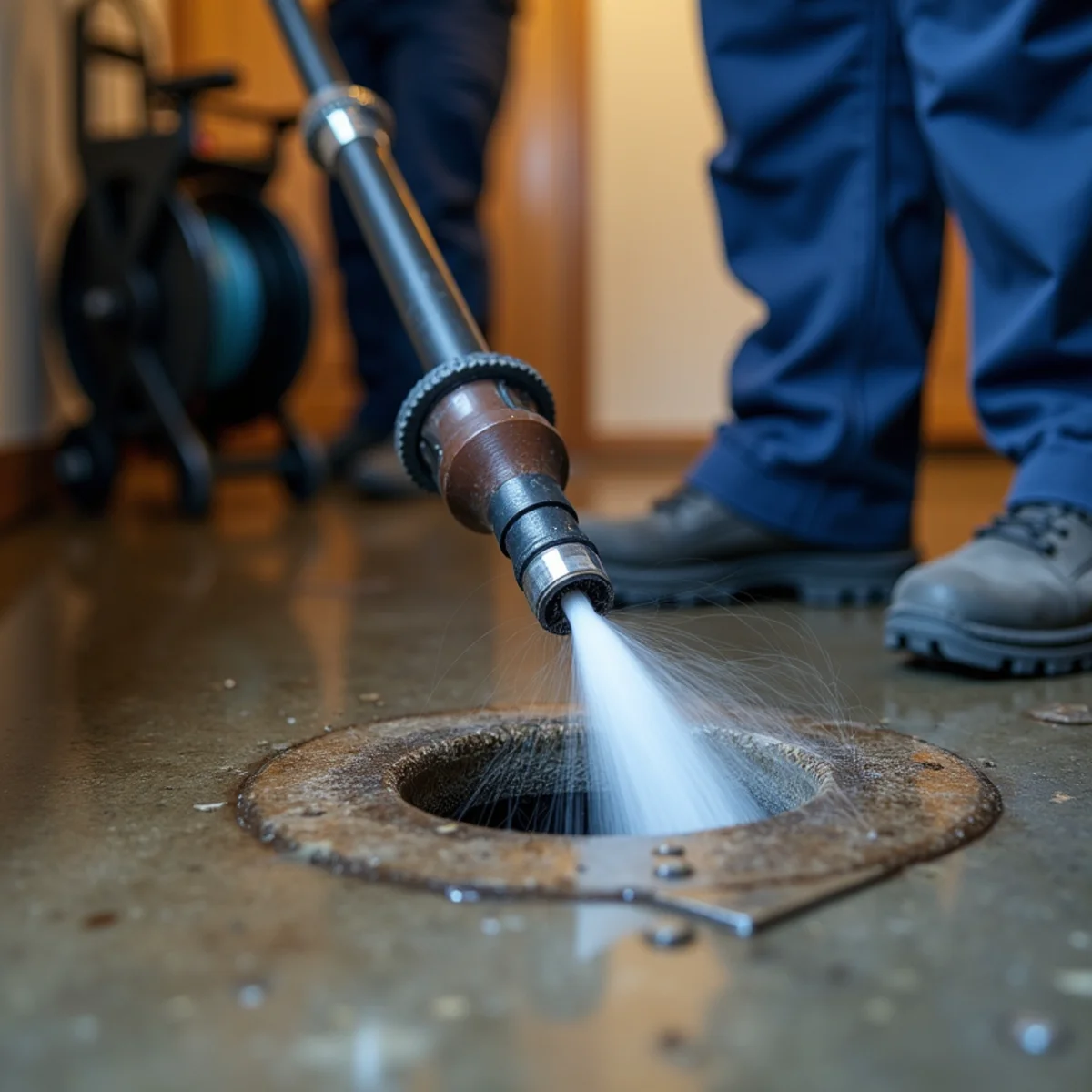
A cable bores a hole through a blockage. A jetter cleans the pipe wall. Knowing the difference tells you why some drains keep clogging.
Commercial Plumbing Services
Call and talk to the person who will do the work. Free written estimates on non-emergency commercial plumbing services, and a price before we start on anything urgent.
Tell us what is going on and we will get back to you with a straight answer. No obligation, no pressure.
5.0 from 11 Google reviewsLicensed & insuredFree written estimates
Our online form is not taking submissions just yet.
Please call (207) 419-2600 instead — a real person answers, nights and weekends included, and we can usually sort it faster on the phone anyway.
We are a licensed, insured, owner-operated shop based on Pine Street in Lake in the Hills. That means the person quoting the job is the person doing it, and nobody here is measured on how much they sold you.
Every recommendation starts with the water. At 26–28 grains per gallon, our supply is roughly six times harder than the national average, and it is the single biggest factor in how long anything in your plumbing lasts. Fixing the symptom without addressing that is how you end up calling someone again in two years.
And when a permit is required — water heaters, sewer work, gas piping — we pull it and show the fee on its own line. Ask every plumber you talk to for the same. Read more in our guide to plumbing permits in McHenry County.