Gas Line Installation & Repair
Permitted, pressure-tested gas line work for ranges, dryers, grills, fire pits and generators — plus leak diagnosis.
Learn more
Artisan Water Group
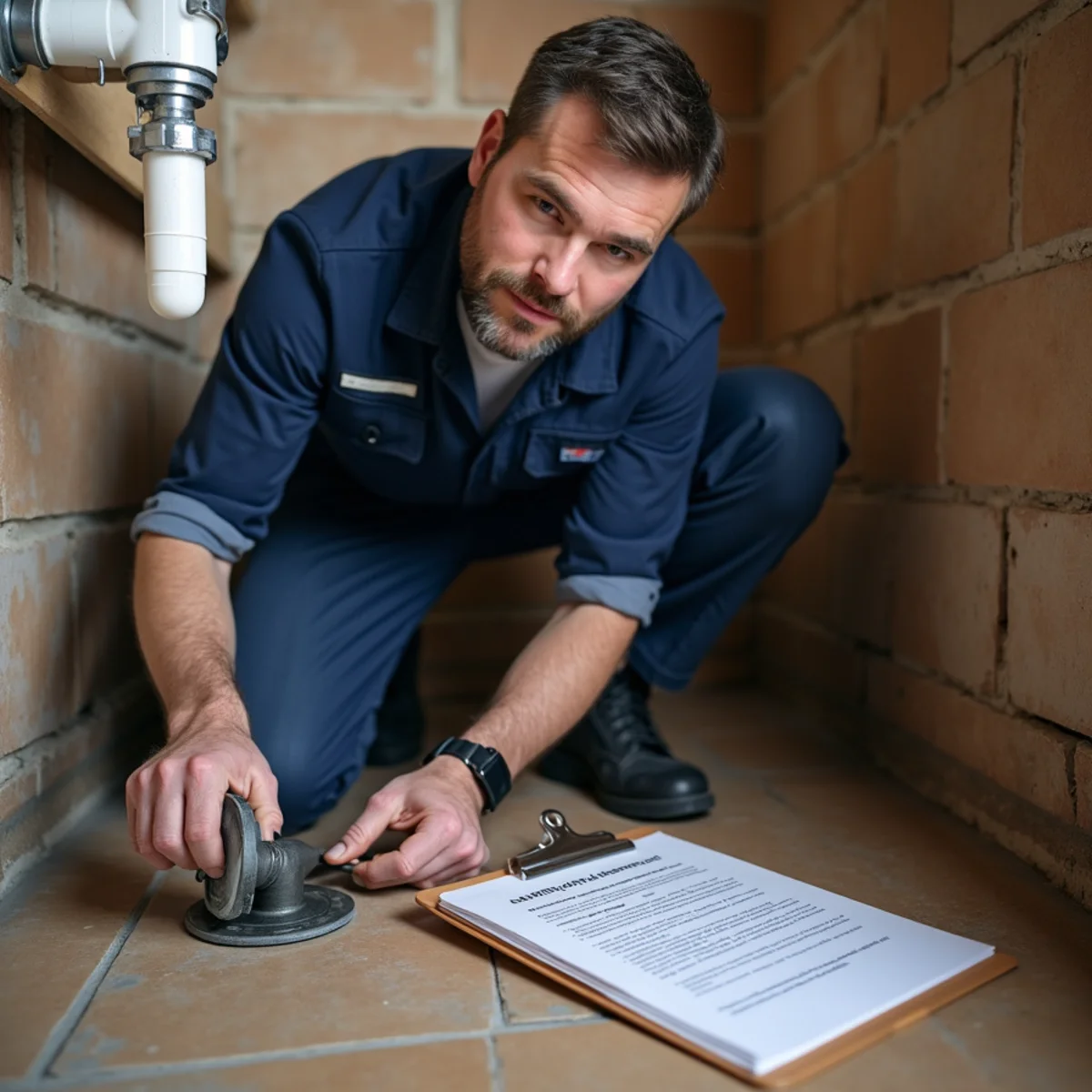
This is the service nobody plans for. A house sale is under contract and the inspection turned up work that was never permitted. A remodel failed its rough inspection. The Village sent a notice. A previous owner's basement bathroom turns out to have been plumbed by someone who was confident rather than qualified.
Need this handled today? Call and a real person answers — nights, weekends and holidays included. You get the price before we start.
The good news is that most of what we find is correctable, and it is usually less dramatic than the notice makes it sound. Improper venting, a missing air gap, a trap arm run too long, S-traps instead of P-traps, flexible connectors used as distribution piping, an unvented island sink, a water heater without an expansion tank.
What these all have in common is that a licensed plumber can correct them, pull the permit, and get them signed off — turning an open item into a closed one with paperwork behind it.
Usually a deadline is attached, so we treat these with appropriate urgency.
Rough inspection did not pass and the drywall crew is waiting. We read the correction notice, fix exactly what is cited, and get the re-inspection scheduled.
The buyer's inspector or the attorney flagged it. Retroactive permitting plus correction is usually possible and it is what unblocks the closing.
Something was reported or observed. There is normally a compliance window, and meeting it with documented, permitted work closes it out.
A basement bathroom, a wet bar, a laundry moved to a new spot. Often functional-looking and often not vented, sloped or connected correctly.
Insurers sometimes flag plumbing conditions. Correcting them properly and documenting it is what satisfies the carrier.
You do not need a notice to ask. If a previous owner's work makes you uneasy, an inspection now is cheaper than discovering it during a sale.
Read the notice, fix exactly what is cited, document everything.
Not a summary of it. Correction notices cite specific code sections, and fixing the wrong thing means a second failed re-inspection. Send us the document.
Where one violation exists, related ones frequently do too. We would rather find them now than have the re-inspection turn up something new.
Exactly what will be corrected, what it costs, and what the timeline looks like against your deadline. If there is a faster partial path to closing, we will say so.
Correcting unpermitted work generally means permitting it now. That is normal, the Village handles it routinely, and it is what turns the work into a documented record.
Proper venting, correct slope, right materials, accessible cleanouts and shutoffs. Done so it passes rather than done so it might.
We schedule the re-inspection and meet the inspector. Then you get the permit records, the inspection sign-off and photographs — the package an attorney or a buyer's agent actually wants.

Almost all of these come from work done without a permit by someone who had good intentions and no training.
A common and understandable reaction is that the plumbing has functioned fine for eight years, so what is the problem. Three answers.
Insurance. If an unpermitted installation causes water damage, an adjuster investigating the claim may look at whether the work was permitted and performed by a licensed contractor. Unpermitted work gives a carrier grounds to reduce or deny, and that is a conversation nobody wants while their basement is being dried out.
Resale. It surfaces. Buyers' attorneys ask, inspectors flag it, and at best it delays a closing while it is retroactively permitted. At worst you are opening walls under time pressure to prove work from years ago meets code.
And safety, which is the reason the code exists. An S-trap that siphons dry is an open sewer gas path into a living space. An unvented island sink is the same. Unpermitted gas work has consequences that are not measured in dollars. Most of these things work right up until the moment they matter. Our guide to plumbing permits in McHenry County covers what requires one and why.
Impossible to quote from a phone description alone — the notice and a look at the work determine it.
Send us a photo of the correction notice before we come out. It frequently lets us tell you the likely scope and cost before anyone is standing in your basement.
Usually, yes. Retroactive permitting is a routine process — the work is brought up to current code, permitted, and inspected. It is the standard path for clearing an item flagged during a home sale.
Send us the correction notice. It cites specific code sections, and correcting exactly what is cited is what gets the re-inspection passed. We schedule the re-inspection and meet the inspector ourselves.
An S-trap is shaped so that draining water siphons the trap dry, removing the water seal that keeps sewer gas out of the room. It is one of the most common findings under owner-installed sinks, and correcting it means re-plumbing the trap arm and vent properly.
Handled promptly, usually not by much. Most corrections are a visit or two plus a re-inspection. Send us the inspection report as early as you can — the timeline is the thing worth protecting.
Yes — permit records, inspection sign-off and photographs. That package is what an attorney, a buyer's agent or an insurer actually wants, and handing you a fixed pipe without it only solves half the problem.
Often needed together
These come up on the same houses more often than not.
Permitted, pressure-tested gas line work for ranges, dryers, grills, fire pits and generators — plus leak diagnosis.
Learn moreRough-in, drain relocation, venting and finish plumbing — sequenced with your tile and cabinet trades, permitted and inspected.
Learn moreSmall commercial and light industrial work — repairs, fixtures, grease lines and backflow compliance, scheduled around your hours.
Learn moreWorth reading first
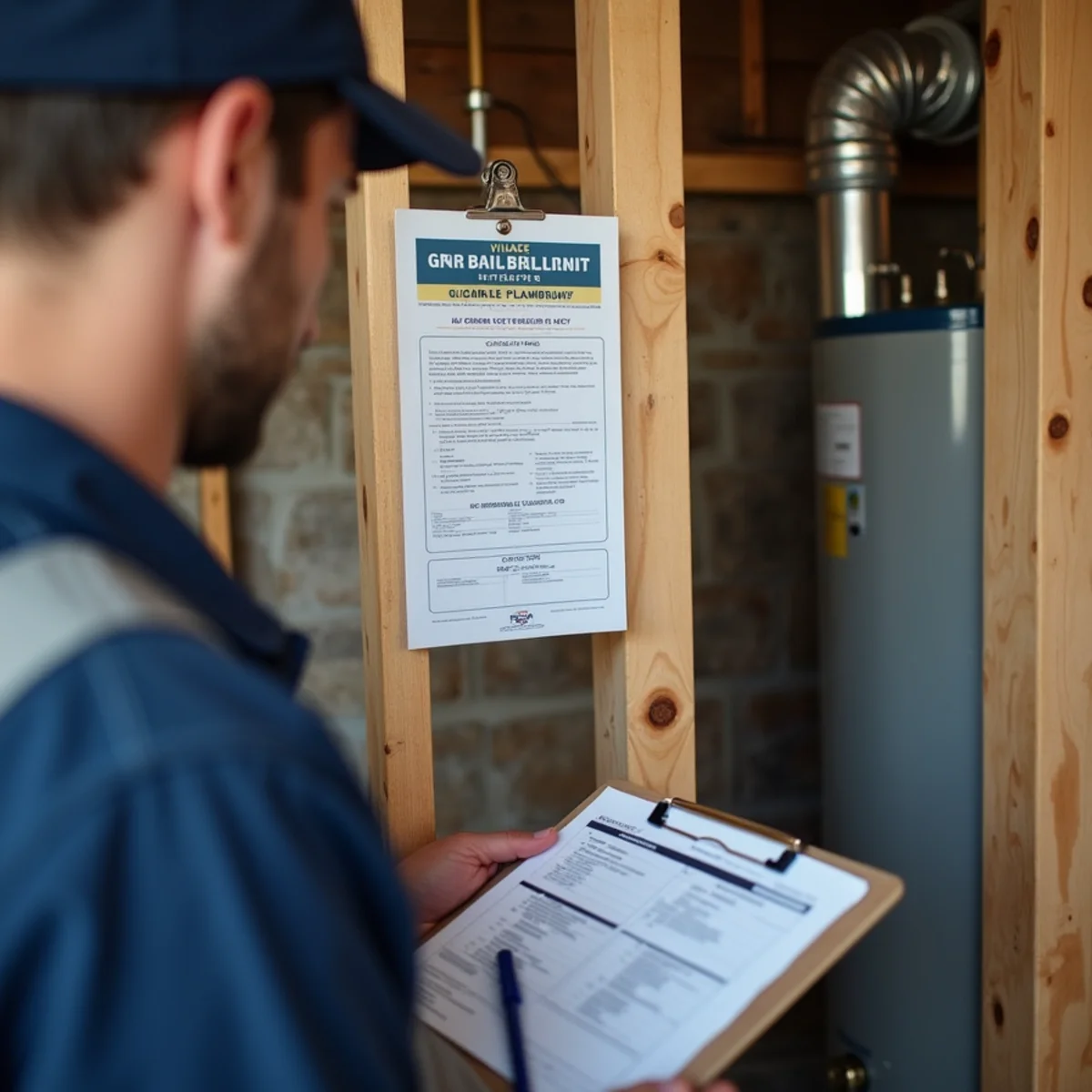
Permits feel like paperwork until you file an insurance claim or sell the house. Here is what actually requires one and why it protects you.

A standard home inspection covers a lot and skips the two things that cost the most. Here is what to look at yourself, and what to pay someone to look at.
Code Violation Corrections
Call and talk to the person who will do the work. Free written estimates on non-emergency code violation corrections, and a price before we start on anything urgent.
Tell us what is going on and we will get back to you with a straight answer. No obligation, no pressure.
5.0 from 11 Google reviewsLicensed & insuredFree written estimates
Our online form is not taking submissions just yet.
Please call (207) 419-2600 instead — a real person answers, nights and weekends included, and we can usually sort it faster on the phone anyway.
We are a licensed, insured, owner-operated shop based on Pine Street in Lake in the Hills. That means the person quoting the job is the person doing it, and nobody here is measured on how much they sold you.
Every recommendation starts with the water. At 26–28 grains per gallon, our supply is roughly six times harder than the national average, and it is the single biggest factor in how long anything in your plumbing lasts. Fixing the symptom without addressing that is how you end up calling someone again in two years.
And when a permit is required — water heaters, sewer work, gas piping — we pull it and show the fee on its own line. Ask every plumber you talk to for the same. Read more in our guide to plumbing permits in McHenry County.