Water Pressure Regulation (PRV)
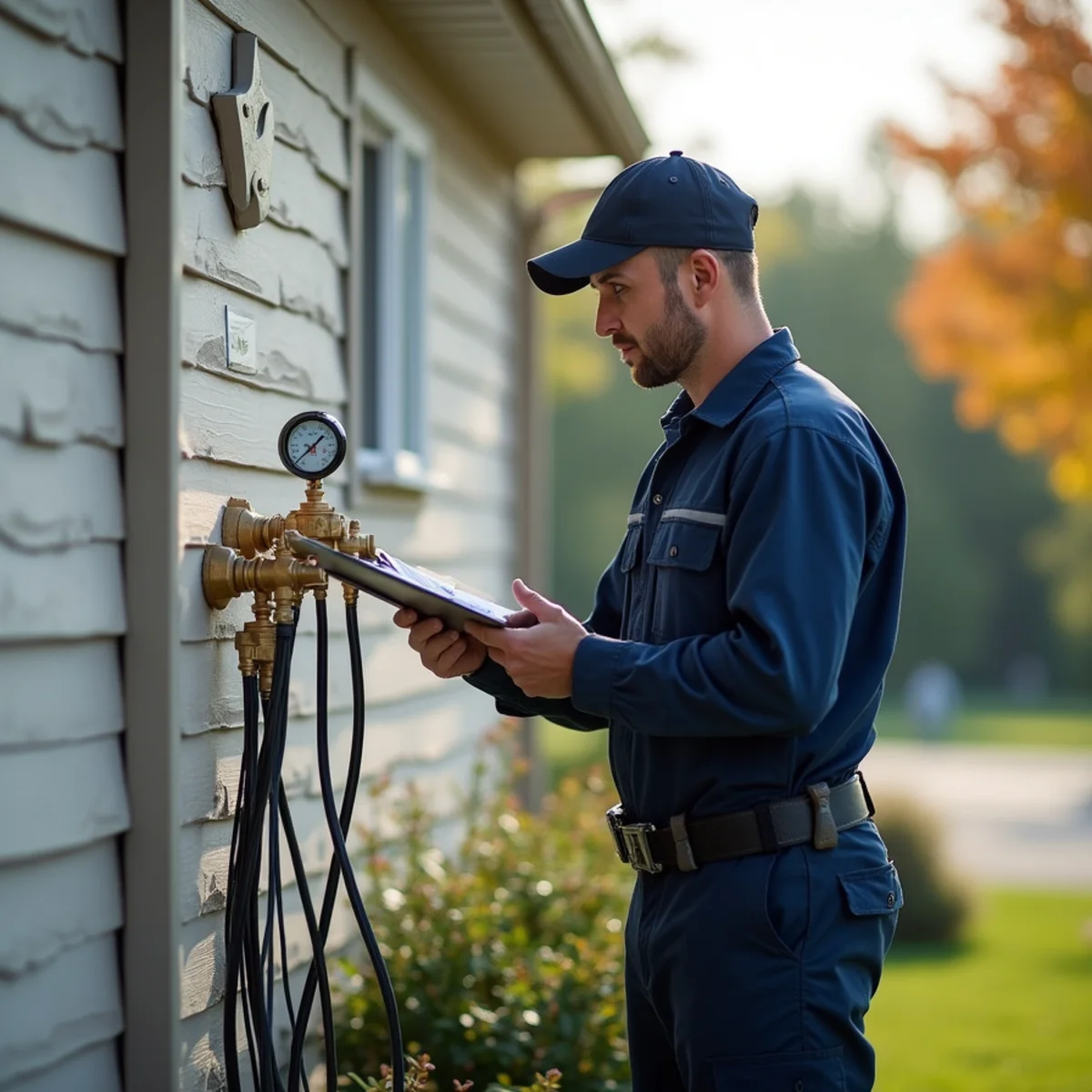
Test, adjust or replace the pressure-reducing valve that protects every fixture, appliance and joint in the house.
Learn more
Artisan Water Group
Backflow is what happens when water in your plumbing reverses direction and goes back into the public supply. It sounds theoretical until you consider what is connected to a typical home: an irrigation system sitting in soil and fertiliser, a boiler loop full of treated water, a pond auto-fill.
Need this handled today? Call and a real person answers — nights, weekends and holidays included. You get the price before we start.
A pressure drop on the municipal main — a hydrant opened for a fire, a water main break, heavy demand on a hot afternoon — can create enough suction to pull water backward through any of those connections. A backflow prevention device is the one thing standing between that and the drinking water.
Which is why they are required by code on those connections, and why they have to be tested annually by a certified tester. Not because anyone enjoys the paperwork, but because a device that has silently failed provides exactly no protection at all.
Most of this is scheduled compliance. Some of it is a device telling you it has failed.
Annual test notices go out for registered devices. Missing the deadline can mean fines or, in some jurisdictions, service interruption.
Irrigation is the most common residential cross-connection, and it is the one that almost always requires a tested device.
An RPZ dumping water from its relief port is doing its job — telling you an internal check has failed. It needs repair, not a plug in the drain line.
Any new connection where non-potable water could reverse into the supply needs a device sized and installed to code.
Restaurants, salons, medical and industrial connections all carry cross-connection requirements, usually with more devices and stricter records.
Internal checks, springs and seats wear. A device that fails its test can often be rebuilt rather than replaced, and that is worth checking first.
Testing takes well under an hour. Installation depends on where the device has to go.
Type, size, make, serial number and location. That record is what the Village matches your test report against.
Differential gauge on a calibrated kit, checking each internal check valve and the relief valve against required pressure differentials. Pass or fail is a measurement, not an opinion.
Most failures are worn rubber — check discs, seats, springs. We carry common repair kits so a failed test can frequently become a passed one the same visit.
A repaired device is retested and the result recorded. There is no such thing as a partially passed device.
We submit the test report to the Village on your behalf and give you a copy for your records. That is the part that closes the notice out.
Annual is annual. We flag it so the next notice is not the first you hear about it.
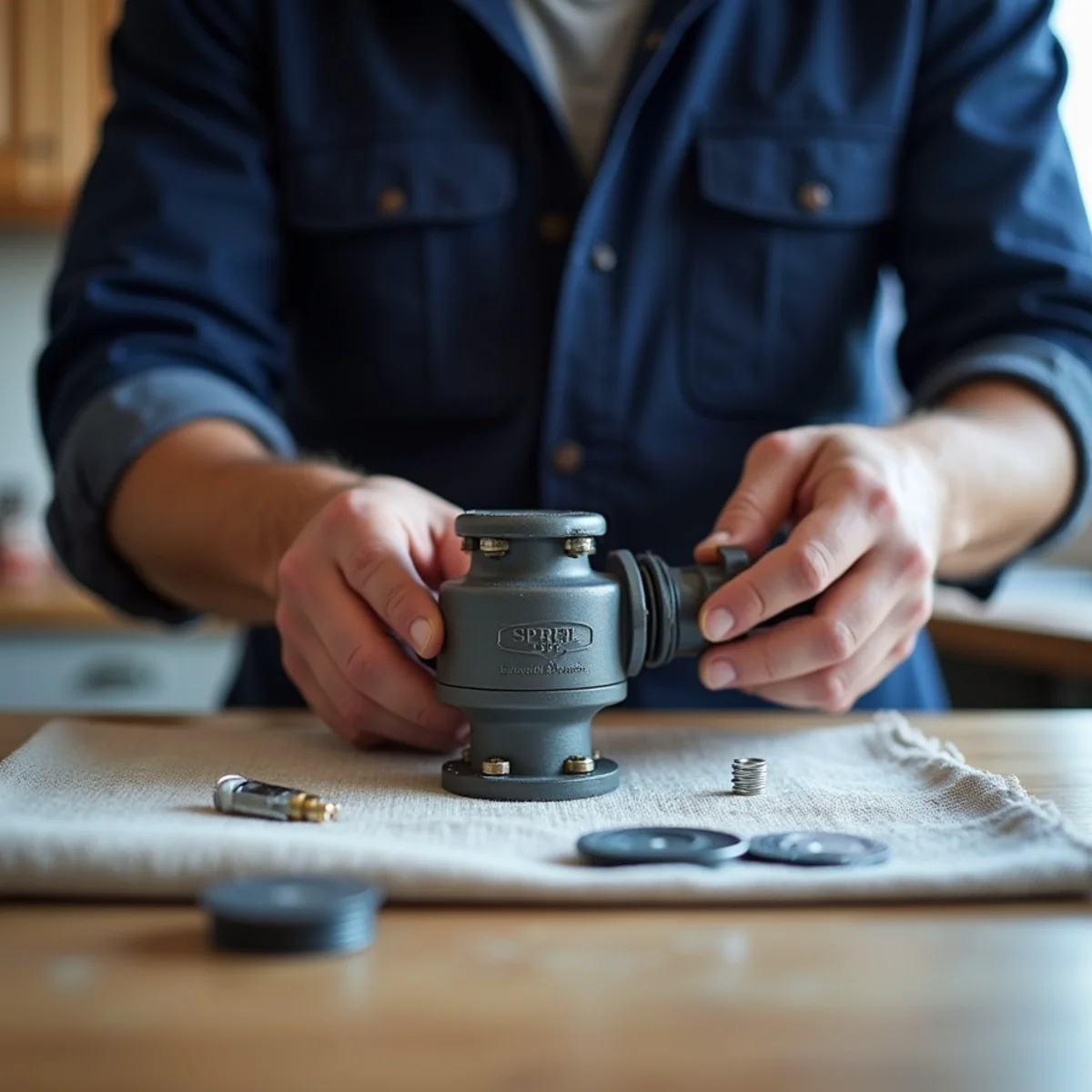
The device exists to protect the public drinking water supply — everyone on your street, not just your household. That is why it is a code requirement rather than an option.
The most common residential cross-connection is lawn irrigation. Sprinkler heads sit at ground level in soil that may have fertiliser, pesticide or animal waste on it. If the municipal main loses pressure, the suction can pull that water backward through the irrigation line and into the supply.
Others worth knowing about: boiler and hydronic heating loops containing treated water, fire suppression lines, pond and water feature auto-fills, and any hose left submerged in something. That last one is why frost-free hose bibs have integral vacuum breakers — and if you have a pond or water feature with an automatic fill, that connection needs a proper backflow preventer rather than a convenient tee.
An RPZ device is full of water and its relief port is open to atmosphere. Left outdoors and unprotected through a McHenry County winter, it will freeze and crack — and you will discover it in April when you turn the irrigation on and the device dumps water across the side yard.
The correct approach depends on the installation. Irrigation devices are typically drained and winterised in the fall along with the sprinkler system. Devices in enclosures need genuine freeze protection rather than a foam cover. Indoor installations avoid the problem entirely and are worth considering when the layout allows.
We handle the winterisation as part of fall service, and we would much rather do that than replace a cracked assembly in spring. It is the same principle as hose bibs and outdoor spigots — five minutes in October saves a real bill in April.
Testing is a small, predictable job. Installation varies with the device and the location.
If your device fails, we tell you whether a rebuild kit will fix it before recommending replacement. Most failures are worn rubber, not a dead assembly.
Annually in most Illinois jurisdictions, including for residential irrigation systems. The Village tracks registered devices and sends notices, and the test report has to be filed to close the notice out.
Because it is doing its job. A discharge from the relief port means an internal check valve has failed and the device is protecting the supply. It needs a rebuild or replacement — never a plug in the relief line.
Yes. Irrigation is the most common residential cross-connection and virtually always requires a tested device. If your system was installed without one, that is worth correcting before anyone comes looking.
Usually. Most failures are worn rubber components — check discs, seats and springs — and a rebuild kit restores the device. We carry common kits so a failed test frequently becomes a passed one on the same visit.
Yes. We submit it on your behalf and give you a copy. Handing you a form and leaving you to figure out the filing is not much of a service.
Often needed together
These come up on the same houses more often than not.
Test, adjust or replace the pressure-reducing valve that protects every fixture, appliance and joint in the house.
Learn moreSmall commercial and light industrial work — repairs, fixtures, grease lines and backflow compliance, scheduled around your hours.
Learn moreFrost-free replacements, split-bib repairs and fall winterisation — the small job that prevents a spring wall leak.
Learn moreWorth reading first
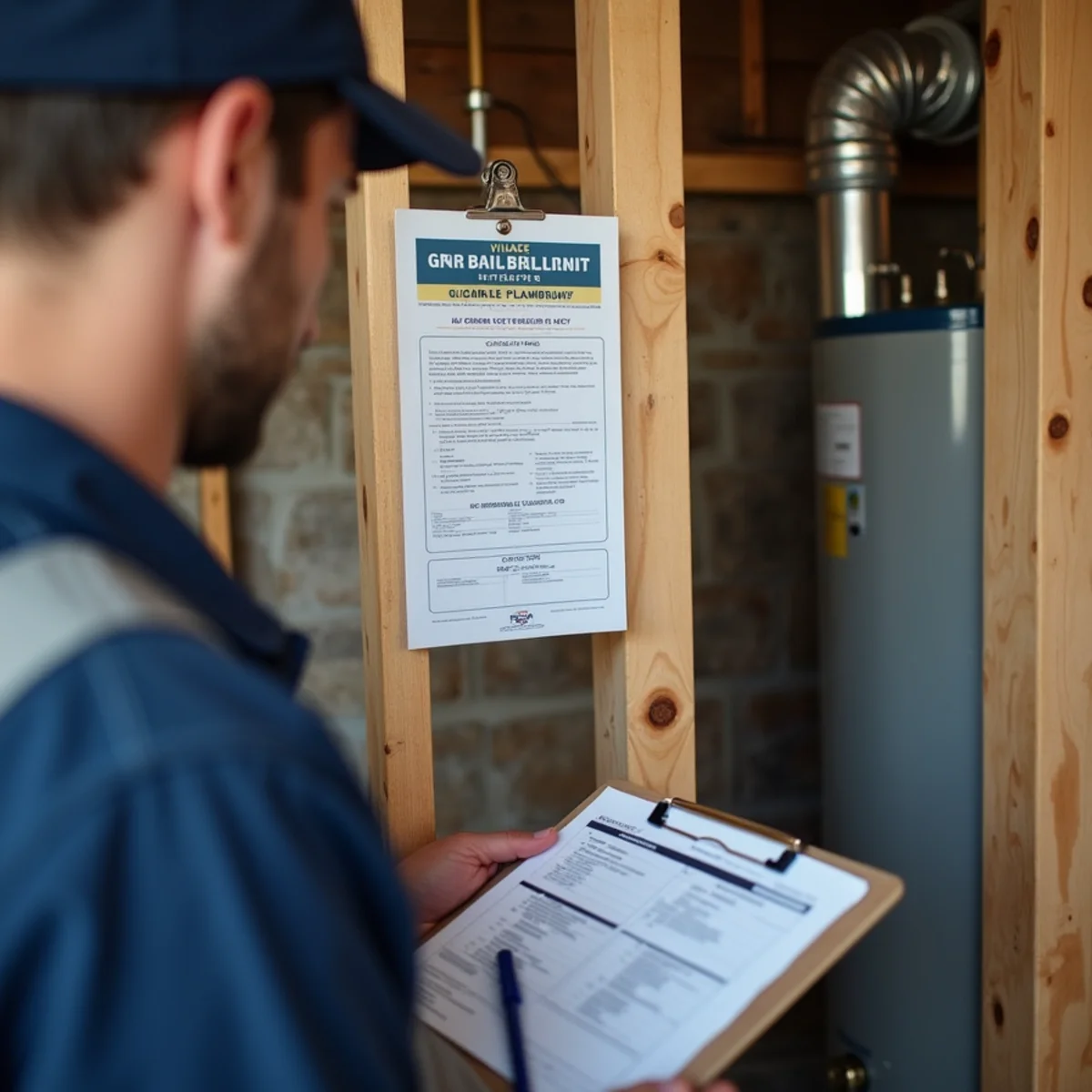
Permits feel like paperwork until you file an insurance claim or sell the house. Here is what actually requires one and why it protects you.

Disconnecting the garden hose is the highest-return five minutes in home maintenance. Here is the rest of the fall routine.
Backflow Prevention & Testing
Call and talk to the person who will do the work. Free written estimates on non-emergency backflow prevention & testing, and a price before we start on anything urgent.
Tell us what is going on and we will get back to you with a straight answer. No obligation, no pressure.
5.0 from 11 Google reviewsLicensed & insuredFree written estimates
Our online form is not taking submissions just yet.
Please call (207) 419-2600 instead — a real person answers, nights and weekends included, and we can usually sort it faster on the phone anyway.
We are a licensed, insured, owner-operated shop based on Pine Street in Lake in the Hills. That means the person quoting the job is the person doing it, and nobody here is measured on how much they sold you.
Every recommendation starts with the water. At 26–28 grains per gallon, our supply is roughly six times harder than the national average, and it is the single biggest factor in how long anything in your plumbing lasts. Fixing the symptom without addressing that is how you end up calling someone again in two years.
And when a permit is required — water heaters, sewer work, gas piping — we pull it and show the fee on its own line. Ask every plumber you talk to for the same. Read more in our guide to plumbing permits in McHenry County.