Drains & Sewer
What Is Hydro Jetting — and When Does Your Home Need It?
A cable bores a hole through a blockage. A jetter cleans the pipe wall. Knowing the difference tells you why some drains keep clogging.
If a plumber has ever cleared your drain and you were dealing with the same drain again eight months later, this article explains why.
There are two fundamentally different ways to deal with a blocked line, and they produce very different results. Understanding the difference lets you ask the right question instead of paying repeatedly for the wrong answer.
What cabling does
A drain cable — also called a snake or an auger — is a flexible steel cable with a cutting head, driven by a motor. It feeds into the pipe, spins, and bores through whatever is blocking it.
For a hair-and-soap clog in a bathroom branch, or something that fell down a toilet, this is exactly the right tool. Fast, clean, effective, and it costs less than jetting.
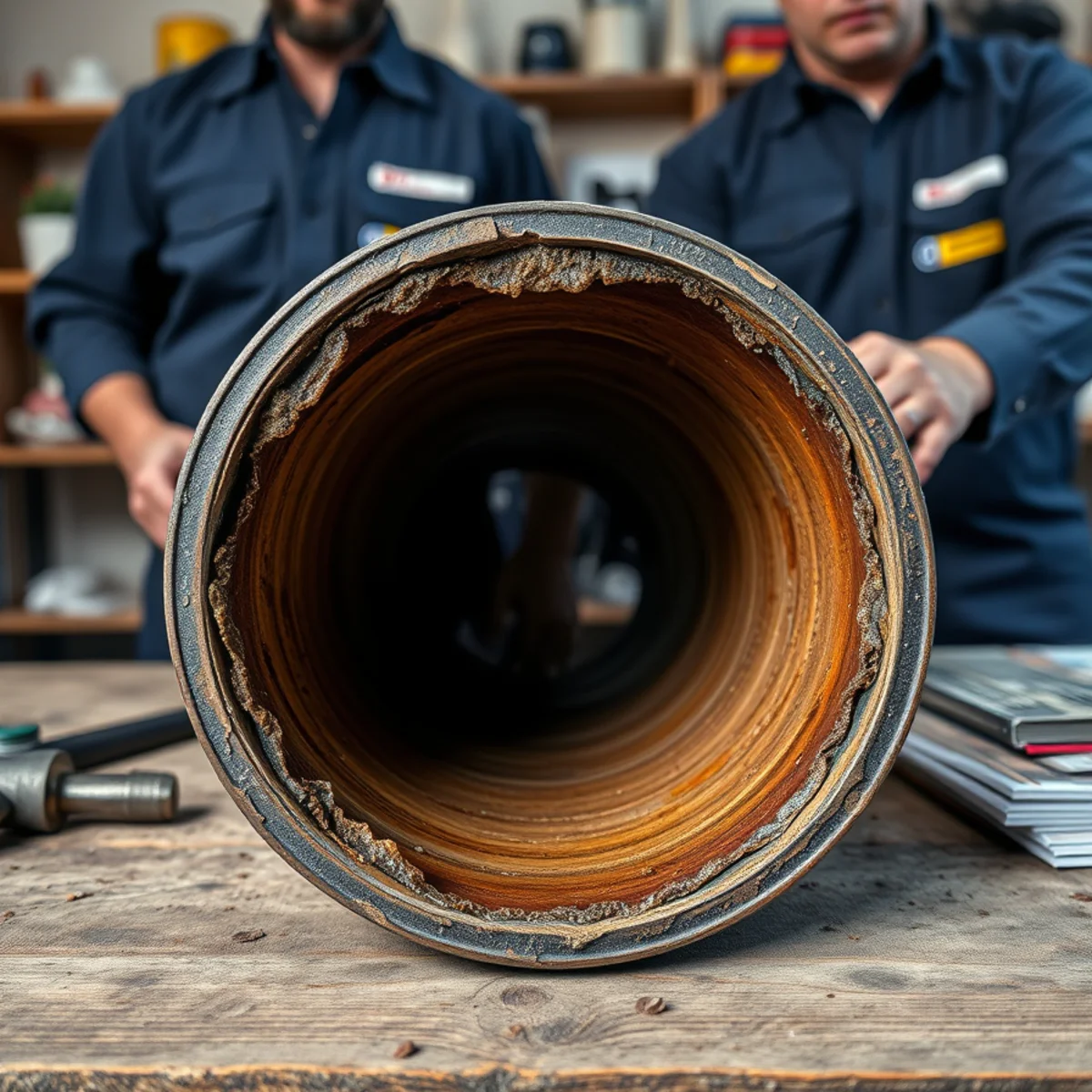
But notice what it does: it makes a hole through the blockage. Water flows again. The buildup that was coating the pipe wall is still there, and the hole closes back down as new material catches on the rough surface. That is why some drains come back.
What hydro jetting does
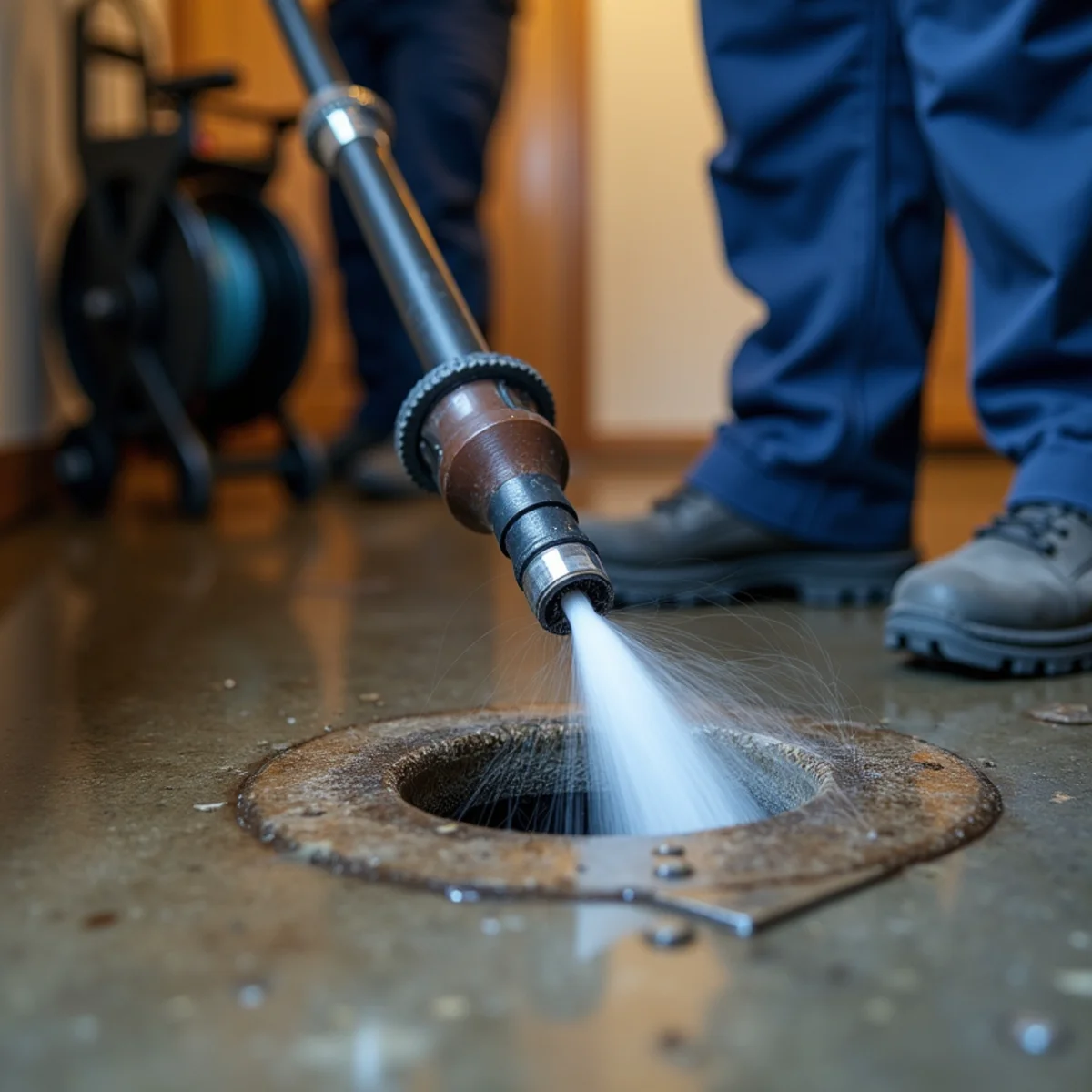
A jetter pushes water through a specialized nozzle at high pressure. Rear-facing jets propel the hose up the line while a forward jet cuts into the blockage, and the returning flow washes debris back toward the cleanout.
The important part is what happens to the pipe wall. Rather than boring a channel through the middle, jetting scours the buildup off the inside of the pipe and restores its original diameter.
On a main line coated in years of mineral scale and kitchen grease, that is the difference between a few months of relief and several years.
The Lake in the Hills wrinkle
Our 26 to 28 grain water adds a layer that homeowners in softer-water areas never encounter.
Drain lines here accumulate mineral scale on the pipe wall over years, and that scale is rough. Grease, soap and everything else that goes down a drain catches on it far more readily than on smooth pipe. So a line that has been in service for twenty-five years in this village has a head start on clogging that the same pipe in a soft-water town would not.
That is also why chemical drain cleaner is such a bad idea here. Caustic chemicals are designed to dissolve organic material. When they meet mineral scale and standing water in a partially blocked line, they can set into a dense plug that is far harder to remove than what you started with. We have spent hours on lines that would have been a twenty-minute job before the second bottle went down.
When you need jetting instead of cabling
- The same drain has clogged more than once in the last two years.
- The kitchen line is the problem — grease coats pipe walls in a way a cable simply cannot remove.
- Multiple fixtures are slow at once, meaning the issue is in the main rather than a branch.
- A camera shows scale or grease coating the pipe rather than a discrete object blocking it.
- You have an older home where the main has never been properly cleaned, only cabled.
When jetting is the wrong call
High-pressure water is powerful, and a pipe that is already compromised can be made worse by it.
Fragile older clay tile, a line with an existing crack, or a section that has partially collapsed should not be jetted blind. That is precisely why we run a camera first on older systems rather than after.
If someone offers to jet your line without looking inside it, that is worth questioning. On a 1998 PVC main it is low risk. On a 1955 clay lateral it is not.
A single hair clog in a shower branch also does not need jetting. A cable does that job in fifteen minutes for less money, and we will say so.
How we decide
We start by running fixtures to map what is slow and what is not, which tells us whether the problem is in a branch or the main before any equipment comes off the truck.
For a branch clog, we cable through the nearest cleanout. That is usually the whole job.
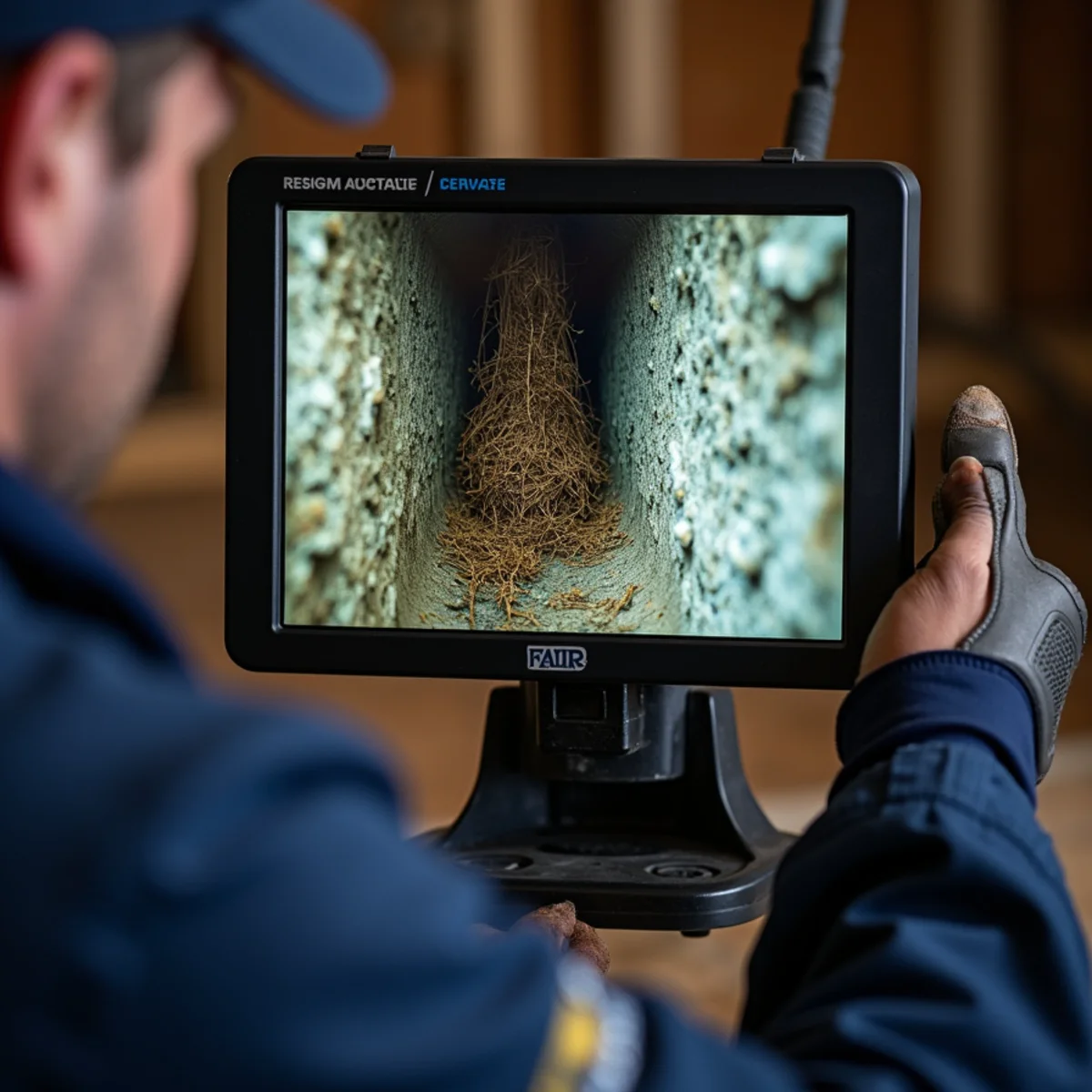
For repeat clogs, whole-house symptoms, or anything in an older main, we run a camera. You watch the screen with us. Mineral scale, grease, root intrusion, a belly holding standing water, and a crack all look completely different, and each calls for a different answer.
If the footage shows a coated pipe, jetting is the right tool and we re-camera afterward so you can see the result you paid for. If it shows structural damage, no amount of cleaning fixes it, and we will tell you that before spending your money on a temporary result. Our drain cleaning and hydro jetting and sewer camera inspection pages go through both in more depth.
Keeping it clear afterward
Grease is the main enemy in kitchens. Wipe pans with a paper towel before washing, and pour cooking oil into a can rather than down the drain. Run cold water with the disposal, not hot — cold keeps fats solid so they travel out to the main instead of coating the pipe as they cool.
Hair catchers in every shower and tub. They cost a few dollars and prevent most bathroom clogs outright.
Nothing but toilet paper down toilets. Flushable wipes are not flushable, and they are the single leading cause of ejector pump failures in basements around Crystal Lake and McHenry.
Quick answers
Is hydro jetting better than snaking?
For different problems, yes. Cabling bores a channel through a blockage; jetting scours the buildup off the pipe wall and restores full diameter. For a one-off hair clog a cable is the right tool. For a repeatedly clogging or grease-coated line, jetting is what actually fixes it.
Can hydro jetting damage old pipes?
It can, in pipe that is already fragile or cracked. That is why we camera older lines before jetting rather than after — so we know what condition the pipe is in first.
How often should a main sewer line be jetted?
Most homes never need it on a schedule. Homes with older lines, heavy grease history or minor root intrusion sometimes benefit from a preventive jetting every two to three years. A camera tells us which category you are in.
Need a hand with this?
Talk to the plumber who wrote this
We are a licensed, owner-operated shop on Pine Street in Lake in the Hills. Free written estimates on non-emergency work, and a real person answering the phone when it cannot wait.
- 5.0 from 11 Google reviews
- Licensed & insured
- 24/7 emergency service