Burst & Frozen Pipe Repair
Safe professional thawing and permanent repair — never an open flame, and always a check for the second weak joint.
Learn more
Artisan Water Group
This is the smallest job on our service list and the one that most reliably turns into a much larger one when it is ignored.
Need this handled today? Call and a real person answers — nights, weekends and holidays included. You get the price before we start.
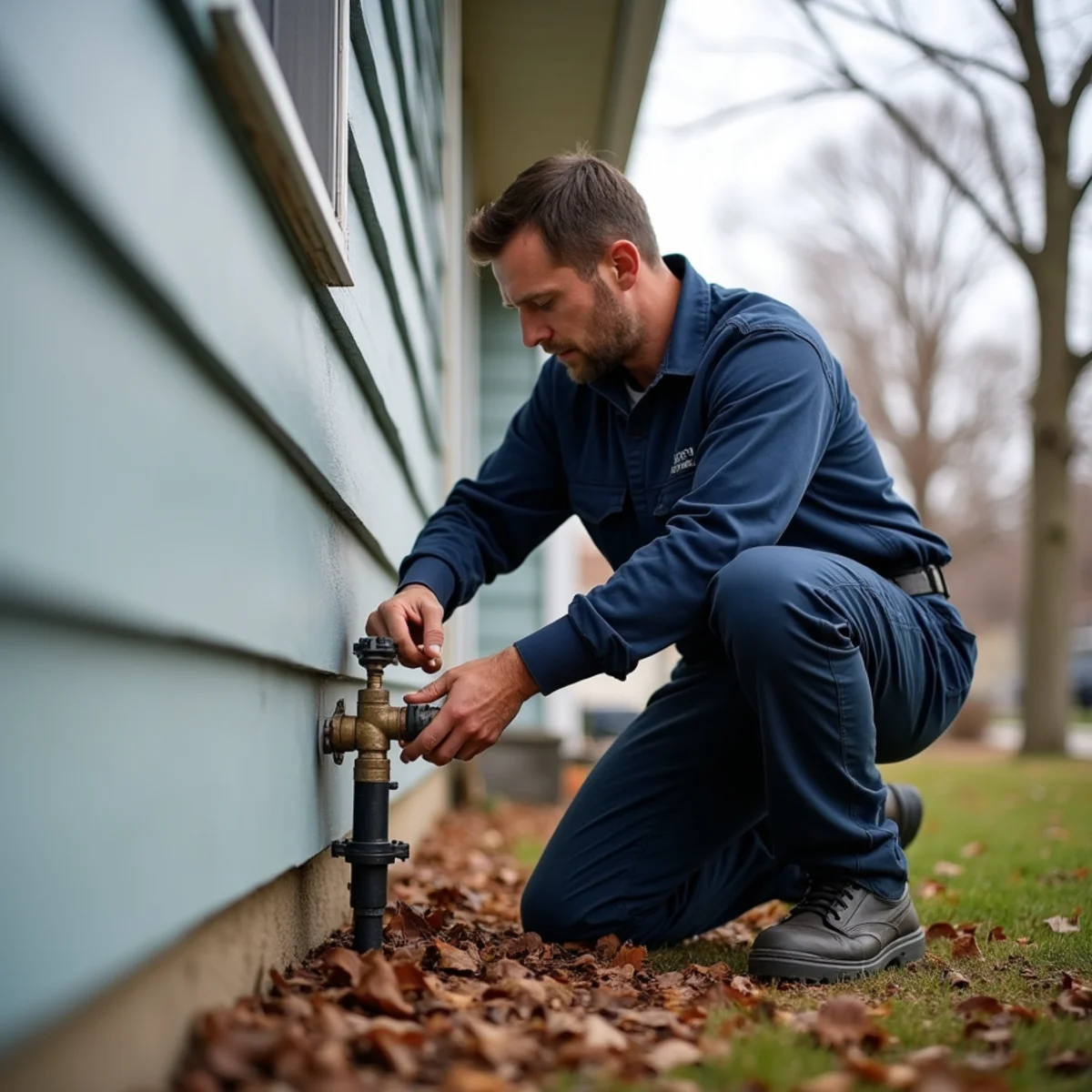
Here is the sequence. A garden hose gets left connected through the fall. Water is trapped in the hose bib behind the shutoff. The first hard freeze arrives and that trapped water expands, splitting the bib or the pipe just inside the wall. Nothing happens all winter because the valve is closed and the line is frozen anyway.
Then in April someone turns the spigot on to water the garden, and water pours into the wall cavity behind the siding rather than out of the tap. By the time it shows on the inside of the drywall, it has been running for a while.
Most of these are quick jobs. The last one is not, which is why the others matter.
A worn washer or a seat that mineral has pitted. On a standard bib this is a simple repair; on a frost-free it means replacing the internal stem assembly.
Scale in the stem. Forcing it is how the stem snaps off inside, which turns a small repair into cutting into the wall.
Stop immediately and shut off the interior valve if there is one. This is the freeze-split scenario, and every minute is water inside the wall cavity.
Packing nut or stem packing. Often a five-minute fix if caught before the constant wetting corrodes something more expensive.
Usually the vacuum breaker at the tip has scaled up, or the bib itself has partially blocked. Both are straightforward.
Worth adding. Being able to isolate and drain an outdoor line from inside is what makes proper winterisation possible.
Quick jobs, done in a way that stops the same call recurring next spring.
A standard compression bib and a frost-free sillcock look similar from outside and are entirely different inside. The repair differs accordingly.
If there is one, we verify it actually closes. Many are old multi-turn valves that have not moved in fifteen years, and they seize.
Washers, stem packing, vacuum breakers and handles are carried on the truck. No reason to book a second visit for a washer.
A frost-free sillcock puts the actual valve seat back inside the heated envelope, so there is no standing water in the exposed section to freeze. On this climate it is the right default.
A frost-free bib only drains if it is installed with a slight downward pitch to the outside. Installed dead level, it holds water and freezes anyway — a genuinely common installation error.
A shutoff with a drain on the interior line makes winterisation a two-minute annual task rather than a hope.
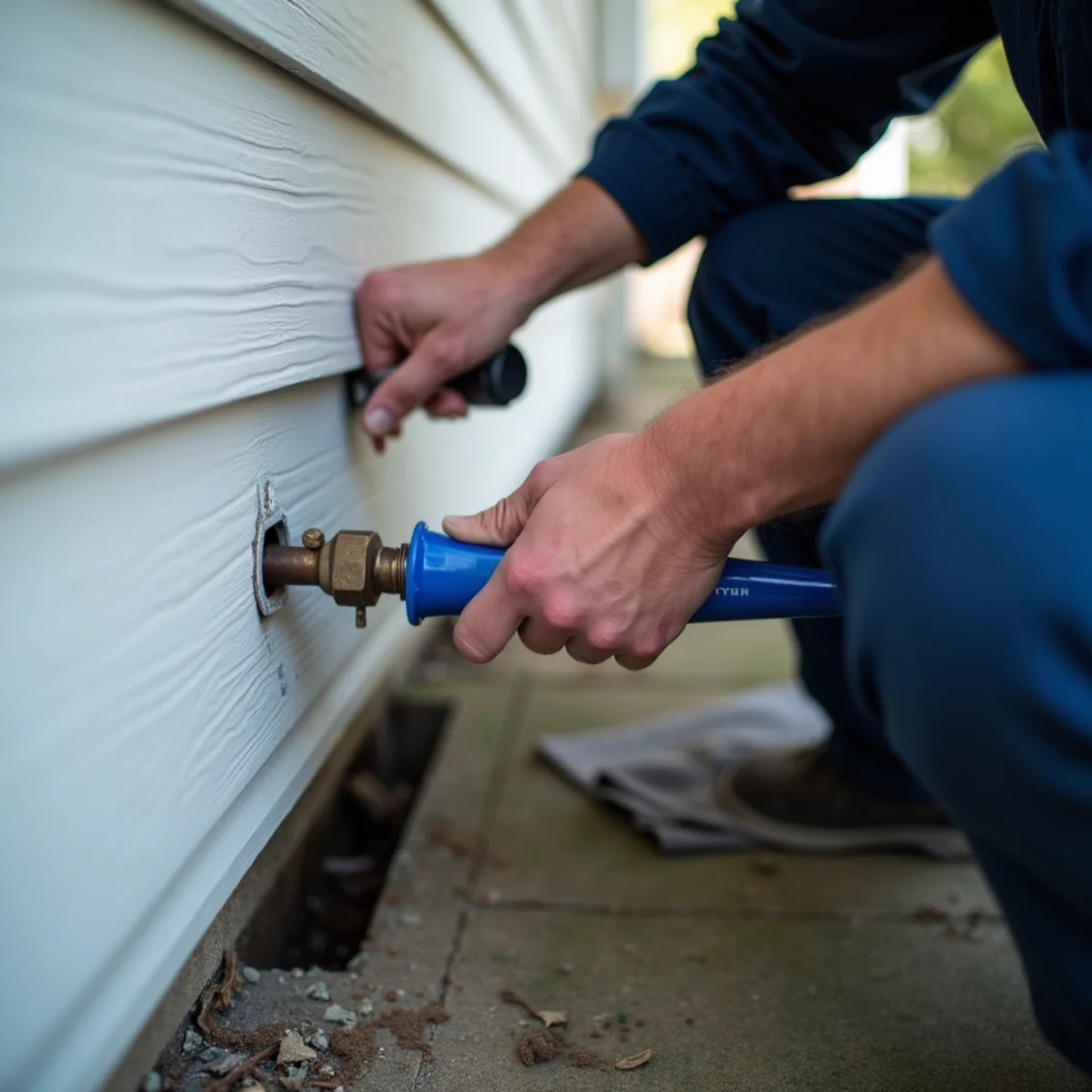
Do this before Thanksgiving and you will almost certainly never need the rest of this page.
A standard hose bib has its valve seat right at the wall, which means the water sitting behind it is outside the heated envelope. That is fine in a warm climate and a liability in McHenry County.
A frost-free sillcock has a long stem so the seat sits eight to twelve inches inside the wall, within the heated space, and the exposed section drains by gravity each time you close it. Nothing is left standing in the cold part.
Two caveats worth knowing. First, it only drains if it was installed with a slight downward pitch toward the outside — installed level, it holds water and freezes exactly like a standard bib, and this is a common installation error we find. Second, it only drains if the hose is disconnected. A frost-free with a hose attached traps water in the stem and defeats the entire design. That is why the fall routine still matters even on a good bib.
Among the smallest jobs we do, with one thing that can change it.
We would rather do this in October as a scheduled job than in April as a wall repair. Fall visits get quoted at standard rates.
That is the classic freeze-split signature — the pipe or bib cracked over winter behind the wall, and water only escapes when you pressurise it. Shut it off immediately and call, because that water is going into the wall cavity rather than onto the lawn.
Disconnecting the hose is the essential step. If you have interior shutoffs for the outdoor lines, closing and draining them is better still. Frost-free bibs are more forgiving but still need the hose off to drain properly.
A sillcock with a long stem that puts the valve seat eight to twelve inches inside the heated wall, so the exposed section drains by gravity when you close it. It is the right choice for this climate, provided it is pitched slightly downward and the hose comes off in the fall.
If the interior connection is accessible and you are comfortable soldering or using press fittings, some people do. The parts people get wrong are the pitch and the vacuum breaker. If the interior line is in a finished wall, it is worth having someone who can do it without opening drywall.
It is one of the smaller jobs we do. The main variables are interior access and whether we are also adding a shutoff valve. Doing two or three spigots in one visit costs considerably less per bib.
Often needed together
These come up on the same houses more often than not.
Safe professional thawing and permanent repair — never an open flame, and always a check for the second weak joint.
Learn moreAnnual testing, device repair and new installations that keep your irrigation or boiler from contaminating the drinking supply.
Learn moreFind the hidden leak before you open the wall — acoustic, thermal and pressure diagnostics, then a proper repair.
Learn moreWorth reading first
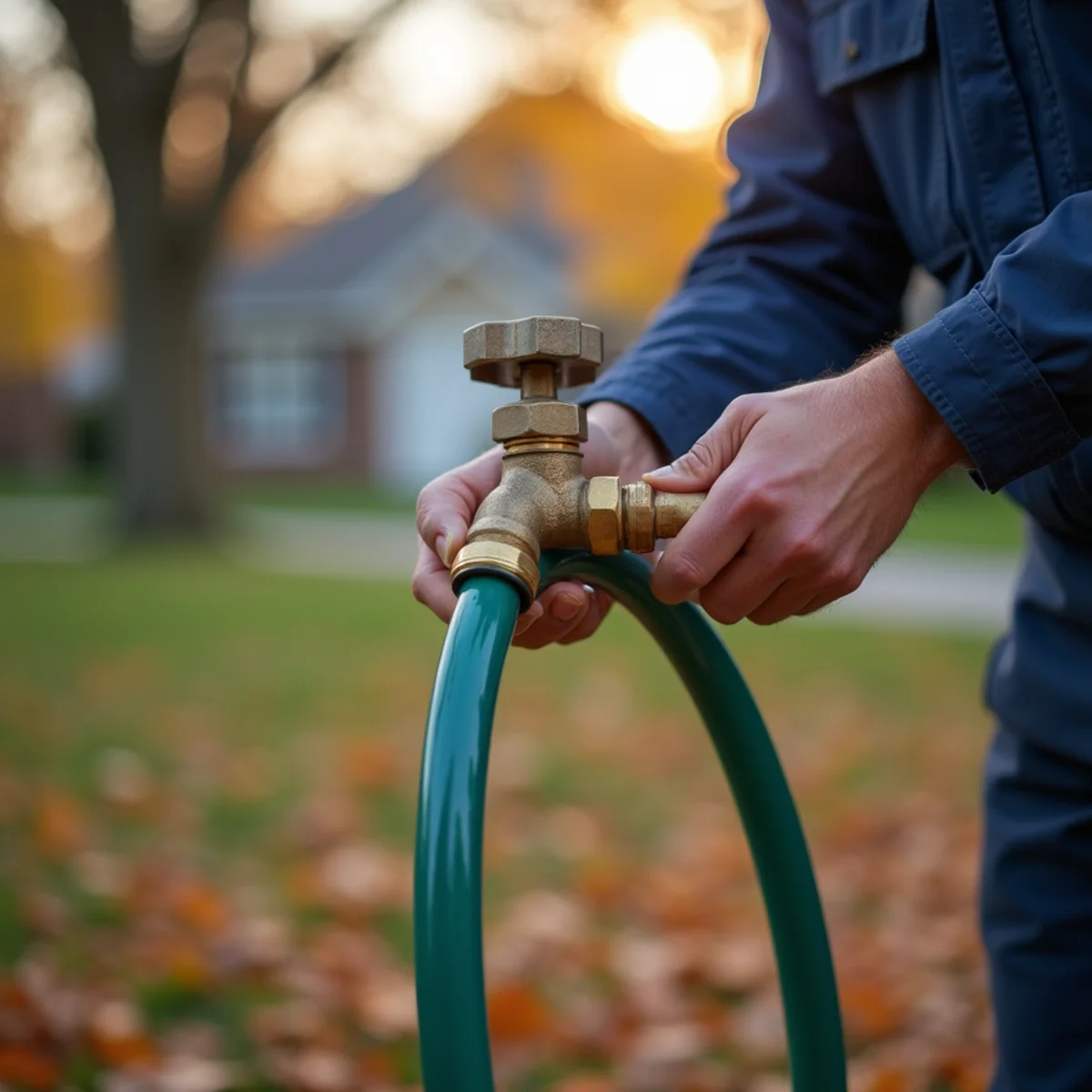
Disconnecting the garden hose is the highest-return five minutes in home maintenance. Here is the rest of the fall routine.
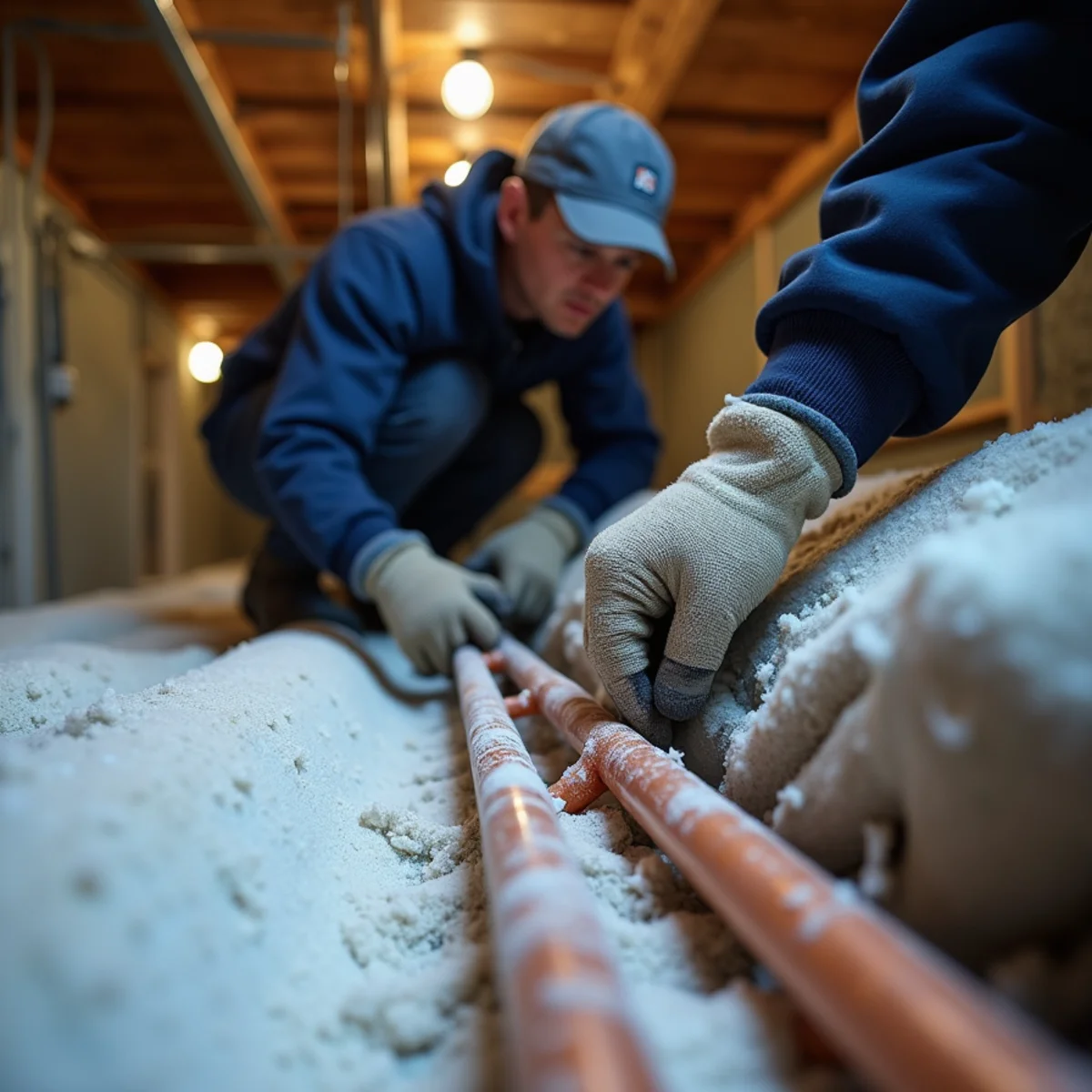
Frozen pipe calls cluster in January and the damage usually appears on the first warm day. Here is how to make sure you are not one of them.
Outdoor Hose Bib & Spigot Repair
Call and talk to the person who will do the work. Free written estimates on non-emergency outdoor hose bib & spigot repair, and a price before we start on anything urgent.
Tell us what is going on and we will get back to you with a straight answer. No obligation, no pressure.
5.0 from 11 Google reviewsLicensed & insuredFree written estimates
Our online form is not taking submissions just yet.
Please call (207) 419-2600 instead — a real person answers, nights and weekends included, and we can usually sort it faster on the phone anyway.
We are a licensed, insured, owner-operated shop based on Pine Street in Lake in the Hills. That means the person quoting the job is the person doing it, and nobody here is measured on how much they sold you.
Every recommendation starts with the water. At 26–28 grains per gallon, our supply is roughly six times harder than the national average, and it is the single biggest factor in how long anything in your plumbing lasts. Fixing the symptom without addressing that is how you end up calling someone again in two years.
And when a permit is required — water heaters, sewer work, gas piping — we pull it and show the fee on its own line. Ask every plumber you talk to for the same. Read more in our guide to plumbing permits in McHenry County.