Seasonal
How to Prevent Frozen Pipes During a McHenry County Winter
Frozen pipe calls cluster in January and the damage usually appears on the first warm day. Here is how to make sure you are not one of them.
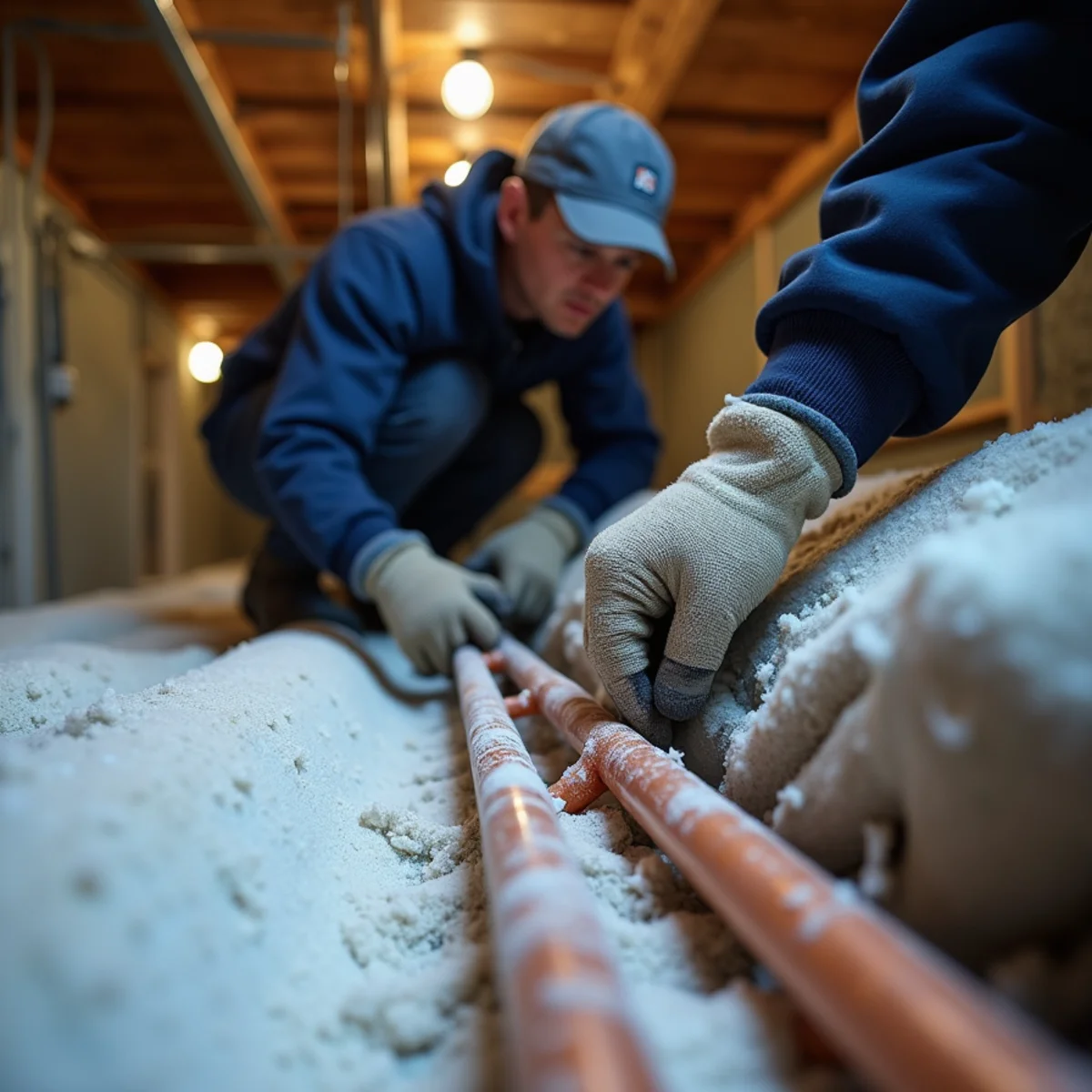
Water expands about nine percent when it freezes, and it does not care what is containing it. Copper splits. PEX often survives, but not always. Galvanized cracks at threads.
The cruel part is the timing. The split usually happens while the line is frozen and there is no water flowing, so nothing appears to be wrong. Then the thaw comes, pressure returns, and the failure reveals itself — frequently while nobody is home. That is why our worst water damage calls arrive on the first warm day after a cold snap.
Where pipes actually freeze
Freeze failures are not random. In McHenry County homes they cluster in the same places every year.
- Supply runs in exterior walls, especially on the north and west sides that take the wind.
- Kitchen sink lines on an outside wall — closed cabinet doors keep household heat out of exactly the cavity that needs it.
- Unheated crawl spaces and the cantilevered floor areas above garages.
- Garage walls where a laundry line or utility sink run passes through.
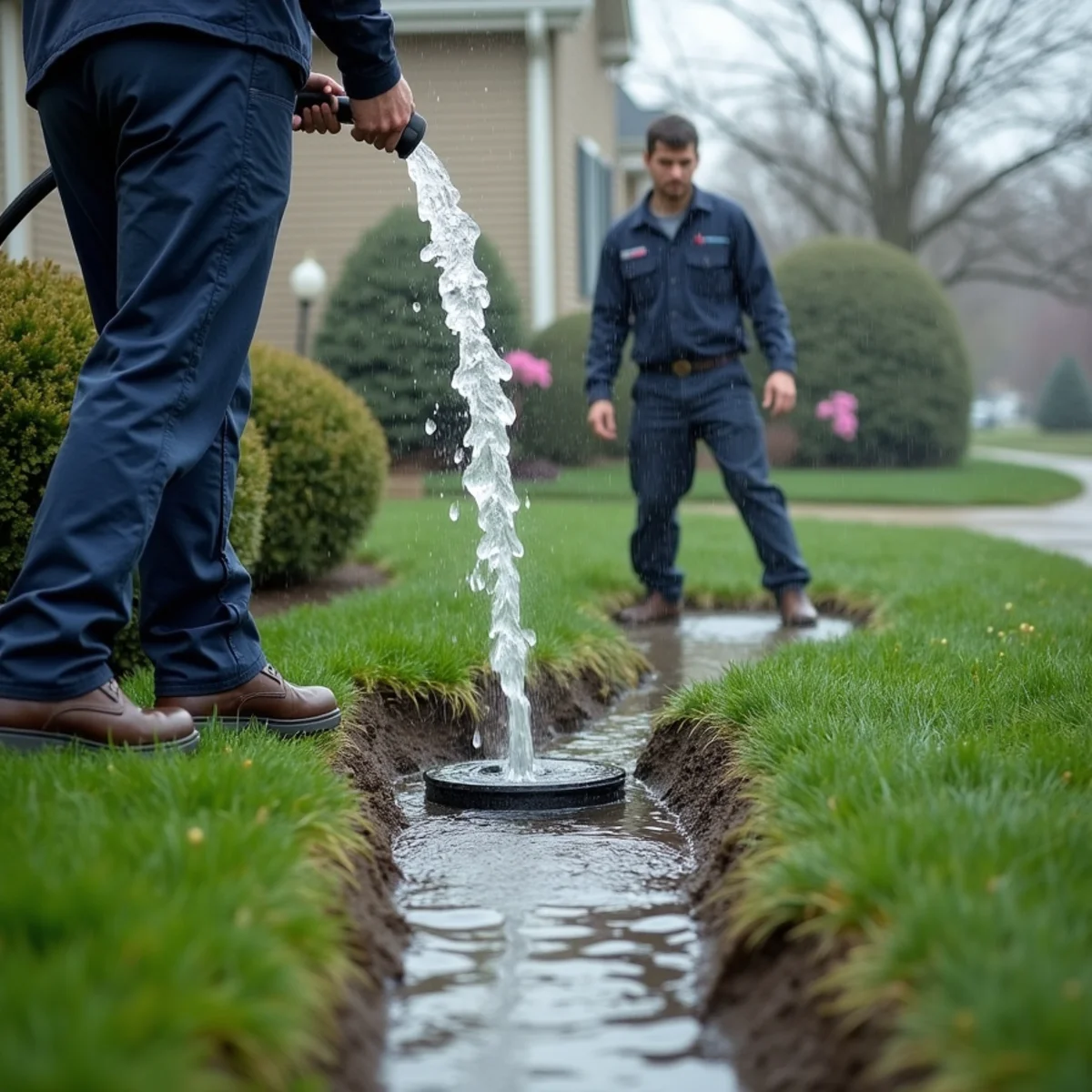
- Hose bibs where a garden hose was left connected in the fall. The hose traps water in the bib, and the split happens behind the siding where you cannot see it until spring.
- Vacant or rarely used spaces — a guest bath over an unheated porch, a basement bathroom in a house set to 55°F while the owners are in Florida.
The fall checklist
Do these before Thanksgiving and you will skip most of the risk.
- Disconnect every garden hose. This is the single highest-value item on the list and it takes five minutes.
- Shut off and drain outdoor spigot supply lines if your home has interior shutoffs for them. Frost-free hose bibs still need the hose off to drain properly.
- Insulate accessible pipe runs in crawl spaces, garages and unheated basements with foam sleeves. Inexpensive, and effective on the runs you can reach.
- Seal air leaks near pipes — rim joist gaps, exterior wall penetrations, the hole where the dryer vent goes through. Cold air blowing directly on a pipe freezes it far faster than ambient cold.
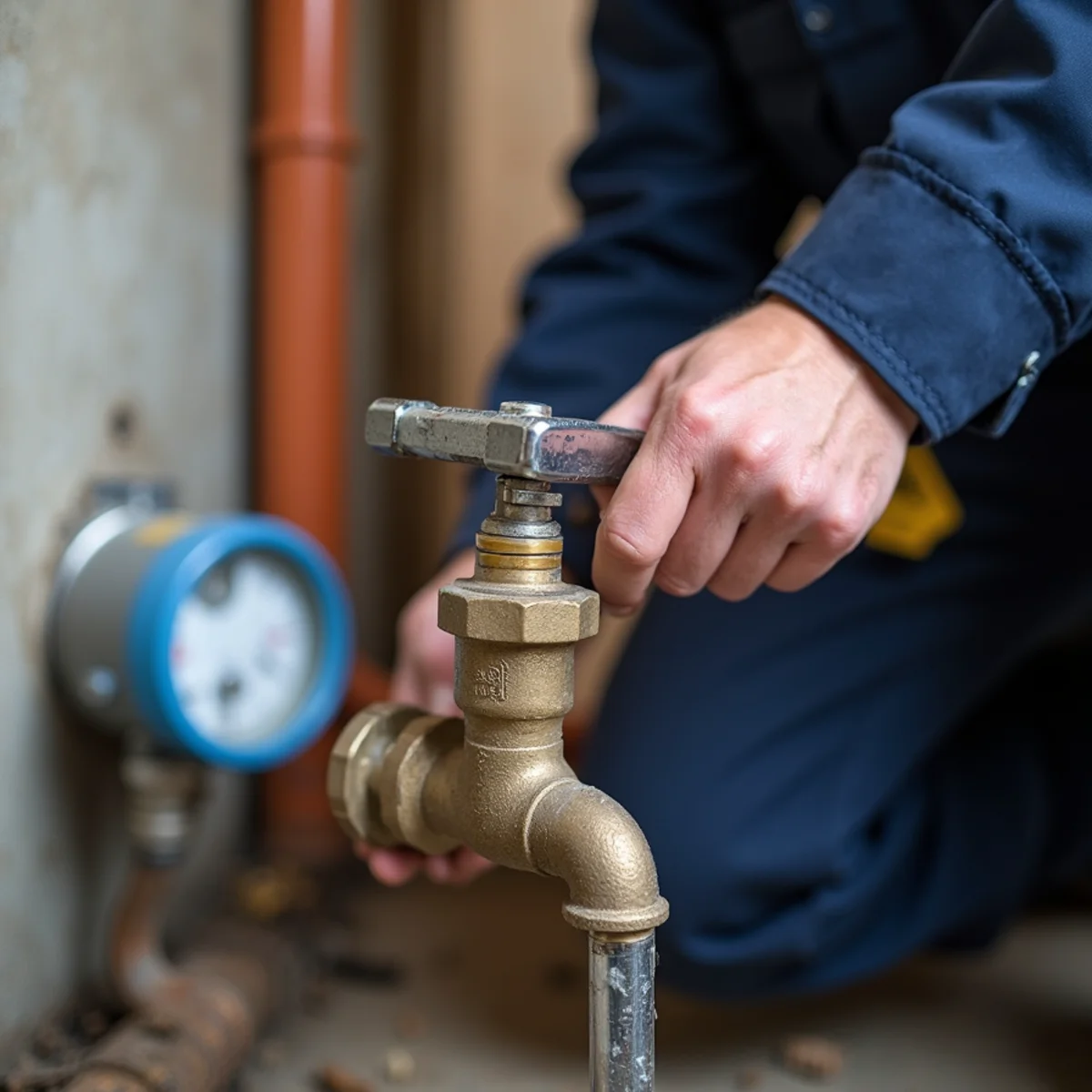
- Locate and test your main shutoff. If it is stiff, painted over, or you are not sure you could find it in the dark, fix that now rather than during an emergency.
- For lines that repeatedly freeze, consider heat trace cable with a thermostat, or ask us about rerouting the run into conditioned space permanently.
During a cold snap below 10°F
Open the cabinet doors under sinks on exterior walls so household heat can reach the pipes. This is genuinely effective and costs nothing.
Let a faucet drip — a thin stream about the thickness of a pencil lead, on the fixture served by the most vulnerable run. Moving water is much harder to freeze, and more importantly, an open faucet gives expanding ice somewhere to go instead of building pressure against a closed system.
Keep the thermostat at a consistent temperature day and night. The overnight setback that saves money in November is what freezes a pipe in January.
If you are leaving town, do not set the thermostat below 55°F, and ask someone to check the house. Better still, install a WiFi leak sensor and a temperature sensor that will text you.
If a pipe freezes
You will know because a fixture stops producing water while others still work. Act quickly — the goal is to thaw it before the pressure of expanding ice splits the line.
Open the faucet served by that pipe. This relieves pressure and gives melting water somewhere to go.
Apply gentle heat starting at the faucet end and working back toward the frozen section. A hair dryer, a heat gun on low, or towels soaked in hot water all work. Warm the area, not just the pipe.
Never use an open flame. Not a propane torch, not a heat lamp against framing, not a space heater shoved into a joist bay unattended. Frozen pipe calls turn into house fire calls exactly this way every winter.
If you cannot reach the frozen section — inside a wall, under a slab, in a sealed crawl space — call. We thaw lines with controlled professional equipment and can usually work through a small access hole rather than a full tear-out.
If it already burst
Shut off the main immediately. If water has reached electrical, kill power to the affected circuits at the panel — but only if you can reach the panel from a dry spot.
Photograph everything before you start cleaning. Your insurer will want it, and reconstructing the scene afterward is much harder than it sounds.
Then call. Sudden and accidental water damage is generally covered by homeowner's insurance; slow leaks from deferred maintenance generally are not. We document the failure with photographs and a written cause description you can hand straight to an adjuster.
Our burst pipe and leak repair page covers the repair side, and emergency service is available around the clock through the winter — which is when we need it most.
The homes that need the most attention
Converted lake cottages are the highest-risk housing stock in our area. Homes around Island Lake, Wauconda and Oakwood Hills frequently have plumbing running through spaces that were never designed to stay warm, because the original house was never occupied in January.
Estate properties in Bull Valley and Barrington Hills have their own version: buried runs to barns and outbuildings, frost-free hydrants, and irrigation systems that need proper blow-out.
If your house is in either category, a fall walkthrough is worth doing. We find the exposed runs while it is a scheduled visit rather than an emergency.
Quick answers
At what temperature do pipes freeze?
Pipes in unheated or poorly insulated spaces start being at real risk when outdoor temperatures drop below about 20°F, and the risk climbs sharply below 10°F — especially with wind, which strips heat from exterior walls far faster than still air.
Should I let my faucets drip all winter?
Not all winter — only during genuine cold snaps, and only on fixtures served by vulnerable runs. A pencil-lead-thin stream is enough. The point is as much about relieving pressure as about keeping water moving.
How do I know if a pipe already burst while it was frozen?
Often you will not until it thaws and pressure returns. If a line froze this winter, keep an eye on that area during the first warm spell, and shut the main off if you are going to be away when a thaw is forecast.
Need a hand with this?
Talk to the plumber who wrote this
We are a licensed, owner-operated shop on Pine Street in Lake in the Hills. Free written estimates on non-emergency work, and a real person answering the phone when it cannot wait.
- 5.0 from 11 Google reviews
- Licensed & insured
- 24/7 emergency service