Sump Pump Installation & Battery Backup
Primary pumps, battery backups and WiFi flood sensors — sized for McHenry County spring thaw, not a catalog average.
Learn more
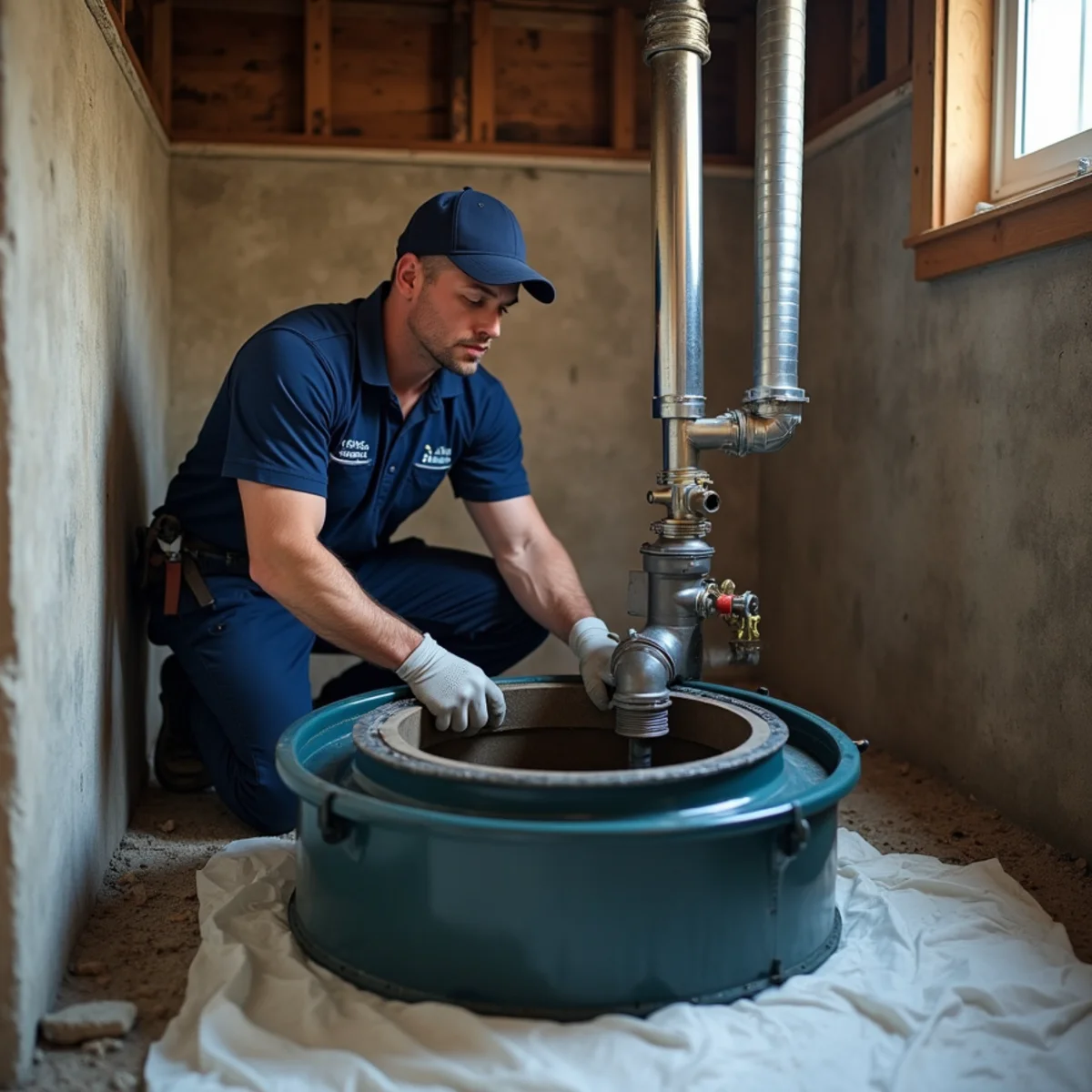
Artisan Water Group
If you have a bathroom, laundry sink or bar sink below the level of your main sewer line, there is a second basin in your basement with a sealed lid on it. That is an ejector pit, and it handles waste — not groundwater.
Need this handled today? Call and a real person answers — nights, weekends and holidays included. You get the price before we start.
People conflate it with the sump pump because both sit in a hole in the basement floor. They are entirely different systems with different failure modes, and mistaking one for the other is how a small problem becomes an unpleasant one.
Ejector pumps fail on things a sump pump would never encounter. Wipes and hygiene products wrap the impeller. The check valve fouls and lets waste run back into the pit. The sealed lid's gasket dries out or the vent gets blocked — which produces sewer odour in the basement long before the pump actually quits.
The first symptom is usually a smell rather than a backup. That is your window to fix it cheaply.
A dried or displaced lid gasket, a loose lid bolt, or a blocked vent. Air freshener is treating a gas leak with perfume — this one needs diagnosing.
Usually a clogged impeller or a failed check valve letting the discharge run straight back in. The pump is working itself to death for nothing.
Air being pulled through a trap because the pit cannot breathe. A blocked vent is the usual culprit and it also causes the smell.
The pit is full and not emptying. Stop using every fixture that drains into it and call — that basin holds sewage, not rainwater.
A stuck float, a check valve problem, or a basin that is too small for what has been plumbed into it.
Ejector pumps do harder work than sump pumps and live in a harsher environment. They do not last forever, and the failure is considerably worse.
This is unpleasant work done properly, with containment and a full system check rather than a pump swap.
Sheeting, containment and proper handling before the lid comes off. This basin holds sewage and the work should not leave any evidence that it happened.
Pump, float, check valve, discharge, lid seal and vent. More than half of ejector calls turn out to be the check valve, the seal or the vent rather than the pump itself.
Wipes and solids accumulate around the impeller and on the basin floor. We clear it out and inspect the basin for cracks and the inlet for proper connection.
Sized to the fixture load and the discharge head. A standard ejector handles ordinary waste; a grinder pump is the answer where the discharge run is long or the line is small.
New gasket, lid bolted down evenly, vent verified clear and correctly routed. This is the step that stops the smell coming back next month.
Fill the basin with clean water, cycle the pump several times, verify the check valve holds and the level drops properly, and confirm no odour at the lid.
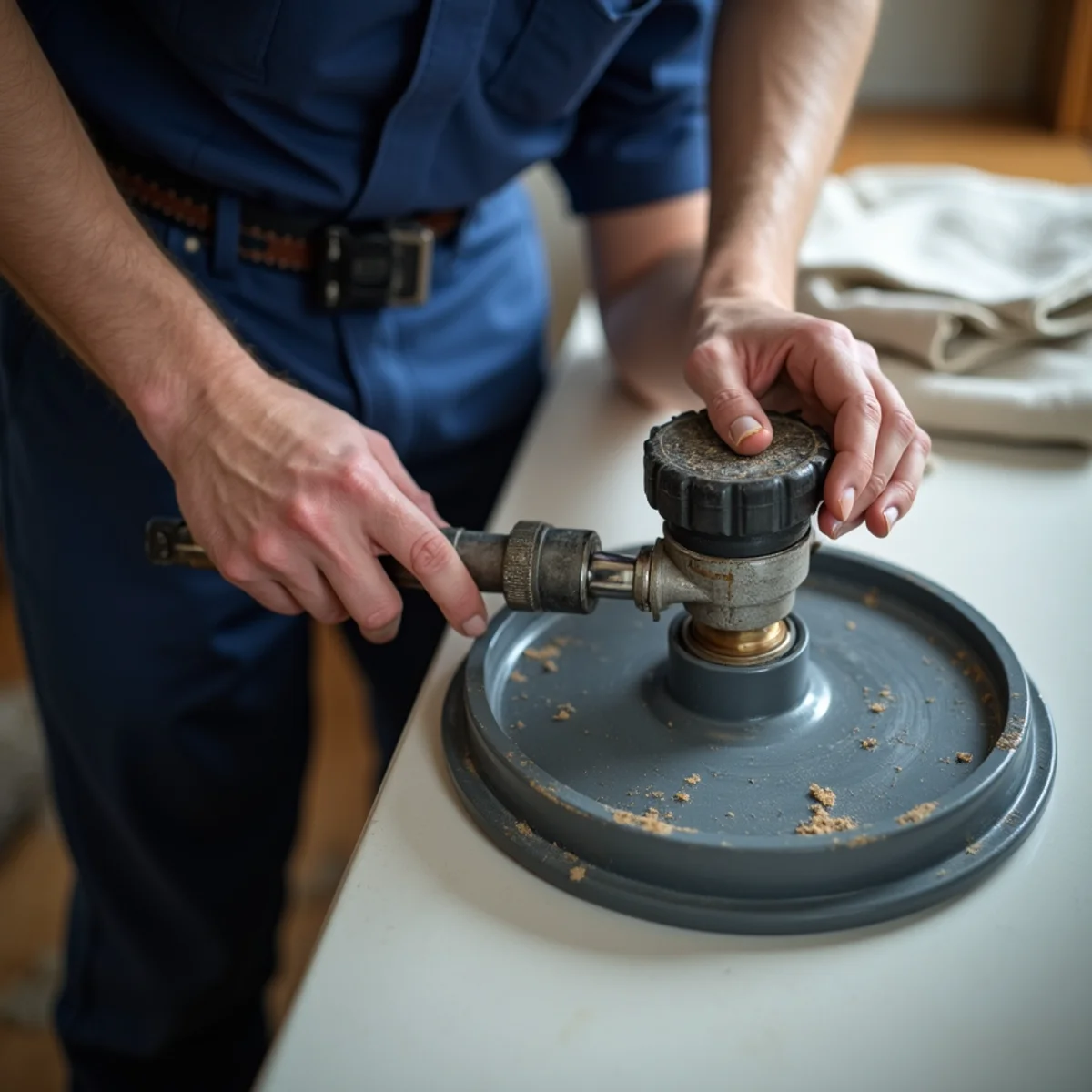
Both sit in a pit in the basement floor and both move water out. That is where the similarity stops.
A sump pump handles clean groundwater arriving from the drain tile around your foundation. Its pit has a loose or vented lid, it discharges to the yard, and if it fails you get water on the floor. Our sump pump installation and battery backup page covers that system.
An ejector pump handles sewage and greywater from fixtures below the sewer line. Its basin is sealed and vented to the roof, it discharges into the sanitary sewer, and if it fails you get sewage on the floor. Different pump, different plumbing, different urgency — and a much stronger case for an alarm.
Flushable wipes are the single leading cause of ejector pump failure. They are not flushable in any meaningful sense — they do not break down, they wrap around the impeller, and they are the reason a large share of the calls in this category exist at all.
Also keep out: paper towels, hygiene products, dental floss, cotton swabs, cat litter of any description, and grease. A standard ejector is not a grinder; it moves what it is given, and what it cannot move stays in the basin.
If the basement bathroom is a rental unit, a guest suite or a basement apartment, a sign near the toilet is not excessive. We have pulled some remarkable things out of ejector basins in Lake in the Hills and the surrounding towns, and every one of them was avoidable.
A repair and a full replacement are very different jobs, and the diagnosis determines which you need.
We quote before opening the lid wherever the diagnosis allows, and we always tell you whether a repair will genuinely hold or is just buying months.
A sump pump moves clean groundwater from around your foundation out to the yard. An ejector pump moves sewage and wastewater from below-grade fixtures into the sanitary sewer. The ejector basin is sealed and vented; the sump pit is not.
Almost always the sealed lid's gasket, a loose lid, or a blocked vent — not the pump. All three are fixable, and none of them are things to live with, because that smell is sewer gas.
Seven to ten years is typical, less in a heavily used basement bathroom or where wipes have been going down the toilet. Because the failure mode involves sewage, planned replacement is much better than reactive.
Only if the discharge run is long, the discharge line is small in diameter, or the fixture load demands it. Grinder pumps cost more and are not automatically better — a properly sized standard ejector handles most residential basement bathrooms perfectly well.
Yes, and you should. A high-water alarm or a WiFi sensor in the basin is inexpensive and tells you about a failure while it is still a service call rather than a cleanup.
Often needed together
These come up on the same houses more often than not.
Primary pumps, battery backups and WiFi flood sensors — sized for McHenry County spring thaw, not a catalog average.
Learn moreSlow sink, blocked tub, gurgling floor drain — cleared properly, with the cause diagnosed rather than guessed at.
Learn moreRough-in, drain relocation, venting and finish plumbing — sequenced with your tile and cabinet trades, permitted and inspected.
Learn moreWorth reading first
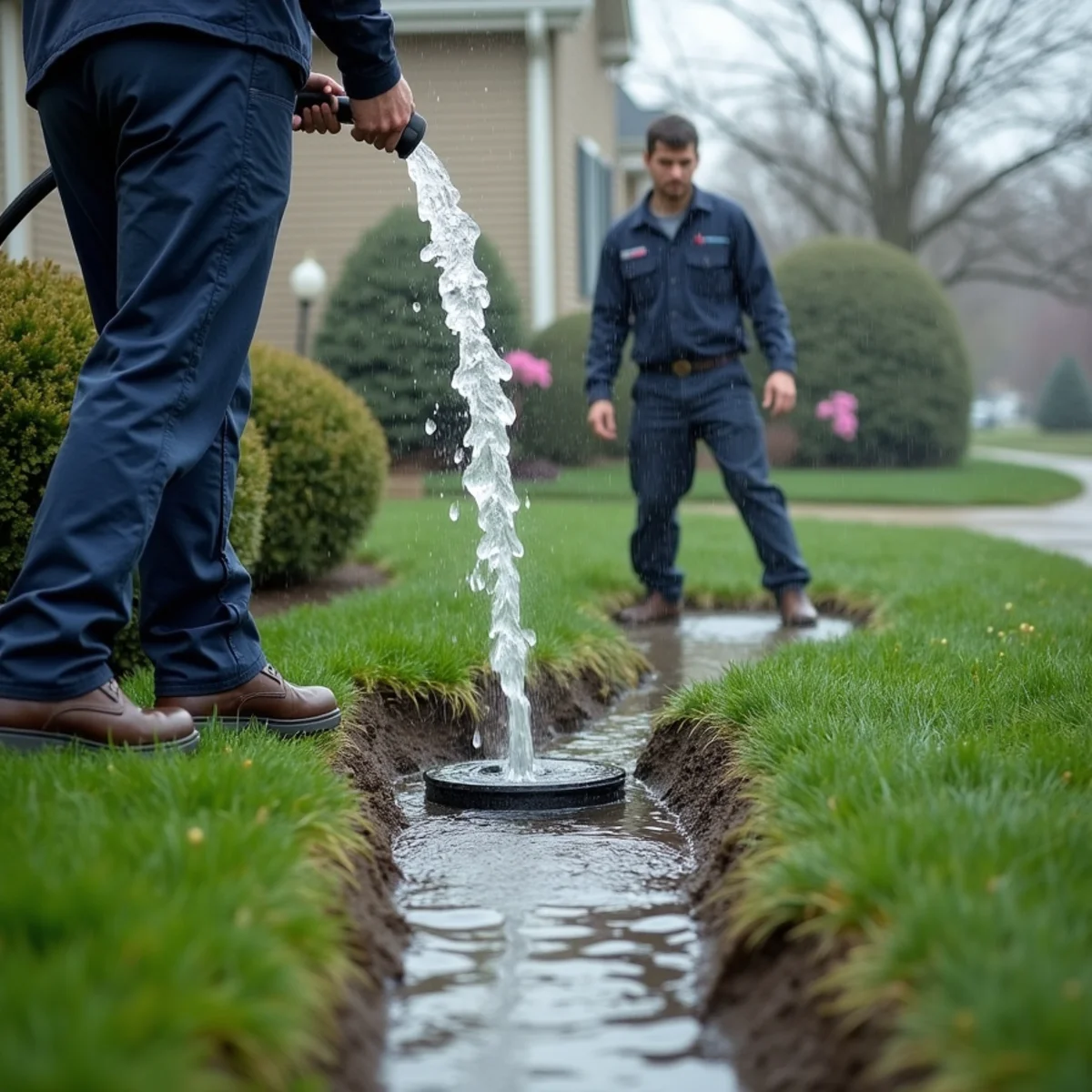
It is not bad luck and it is not one unusually big storm. Basement flooding here follows a predictable annual pattern, which means it can be planned for.
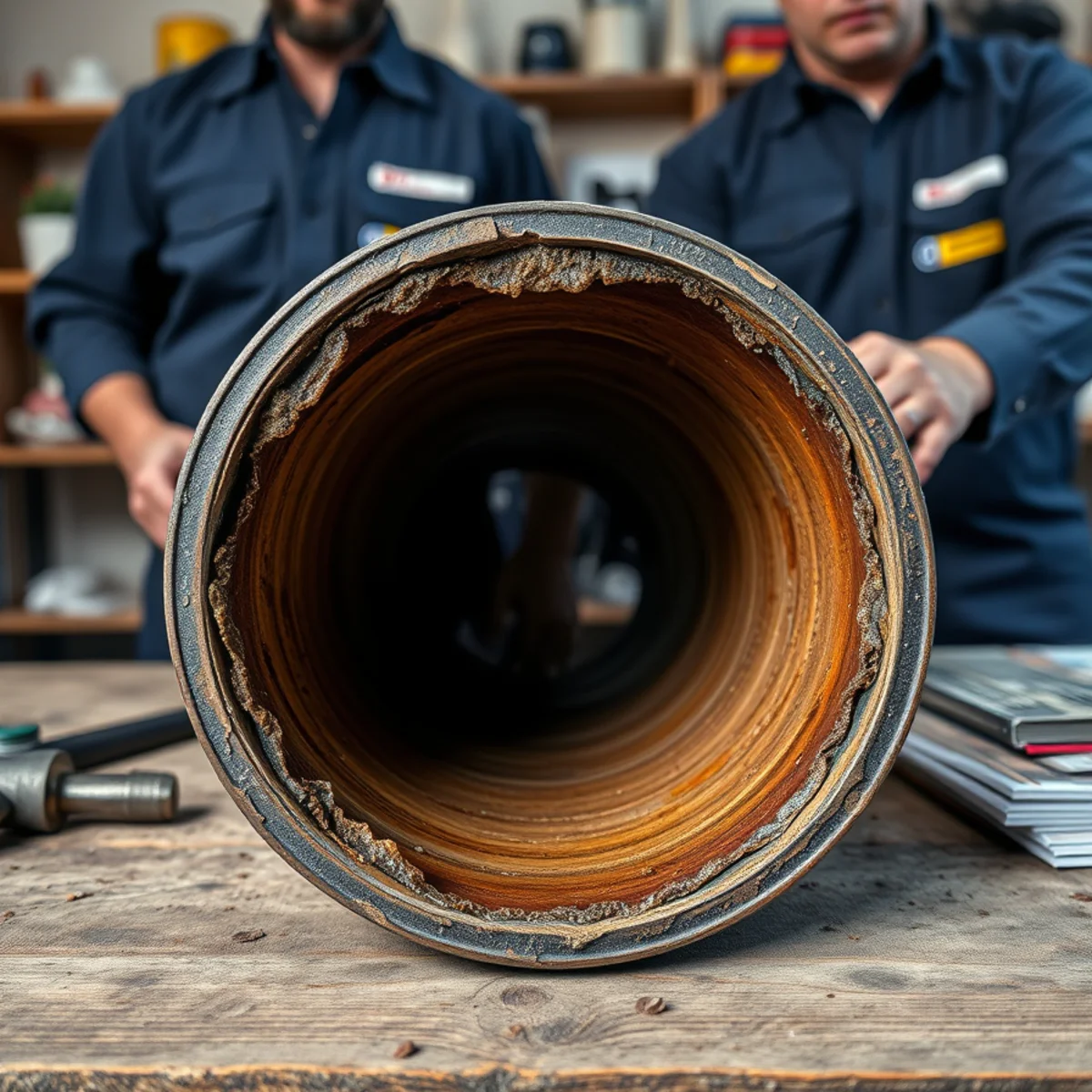
A drain that clogs once is a clog. A drain that clogs every few months is a symptom — and clearing it again is treating the wrong thing.
Ejector Pump Services
Call and talk to the person who will do the work. Free written estimates on non-emergency ejector pump services, and a price before we start on anything urgent.
Tell us what is going on and we will get back to you with a straight answer. No obligation, no pressure.
5.0 from 11 Google reviewsLicensed & insuredFree written estimates
Our online form is not taking submissions just yet.
Please call (207) 419-2600 instead — a real person answers, nights and weekends included, and we can usually sort it faster on the phone anyway.
We are a licensed, insured, owner-operated shop based on Pine Street in Lake in the Hills. That means the person quoting the job is the person doing it, and nobody here is measured on how much they sold you.
Every recommendation starts with the water. At 26–28 grains per gallon, our supply is roughly six times harder than the national average, and it is the single biggest factor in how long anything in your plumbing lasts. Fixing the symptom without addressing that is how you end up calling someone again in two years.
And when a permit is required — water heaters, sewer work, gas piping — we pull it and show the fee on its own line. Ask every plumber you talk to for the same. Read more in our guide to plumbing permits in McHenry County.