Water Treatment
Water Softener vs. Water Filter: Which Does Your Home Need?
One protects your plumbing. The other improves what you drink. Confusing them is the most expensive mistake in home water treatment.
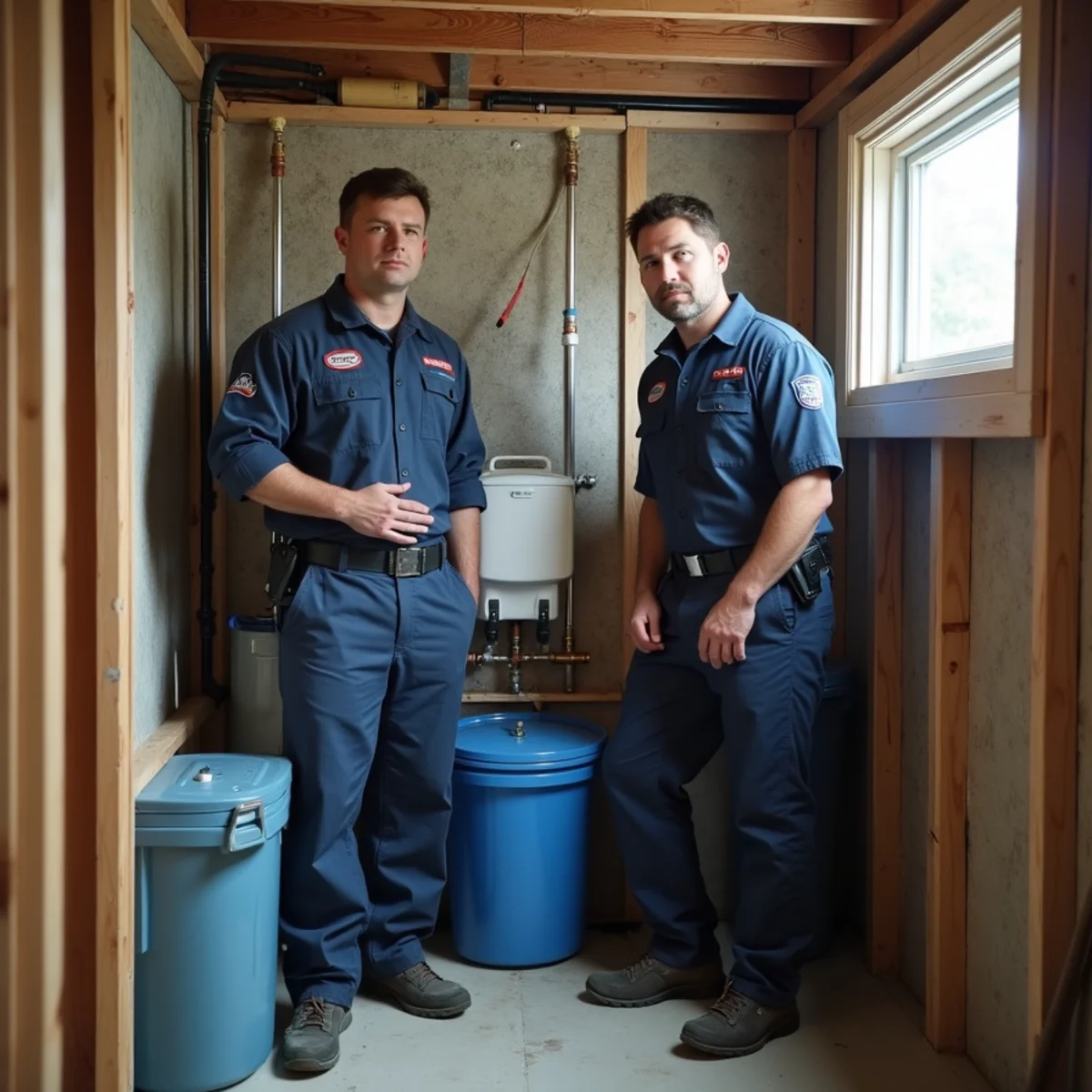
This is the question we get asked most, usually phrased as 'I want better water — what do I need?'
The honest answer starts with a different question: better in what way? Because a softener and a filter are not competing products. They solve different problems, and buying the wrong one means spending real money without fixing the thing that bothered you.
What a softener does
A water softener removes calcium and magnesium through ion exchange. Water passes through a bed of resin beads that swap hardness minerals for a small amount of sodium. Periodically the unit regenerates, flushing the accumulated mineral to drain and recharging the resin with brine.
Its job is protecting equipment. Pipes, water heater, dishwasher, washing machine, fixtures. That is what softening is for.
It is not a purifier. It does not remove chlorine, it does not improve taste in the way most people mean, and it does nothing about dissolved solids. A softener installed to fix a taste complaint is money spent on the wrong problem.
What a filter does
Filtration is a broad category, and the right one depends entirely on what you are trying to remove.
- Carbon filtration removes chlorine taste and odor, and improves the general character of the water. It can be whole-home or point-of-use.
- Sediment filtration catches particulate — useful on wells and after municipal main work.
- Reverse osmosis pushes water through a semipermeable membrane, removing the large majority of dissolved solids. It produces genuinely neutral-tasting water and is almost always installed point-of-use, under a kitchen sink.
- Specialty media handles specific problems: iron, sulfur, manganese. These matter enormously on private wells and barely at all on village supply.
The McHenry County answer
For homes on village or city supply in Lake in the Hills, Algonquin, Crystal Lake, Cary and Huntley, the standard best setup is a whole-home softener plus a compact reverse osmosis unit at the kitchen sink.
The softener protects the plumbing and appliances from 26 to 28 grain water. The RO unit gives you drinking and cooking water that tastes right and ice that is clear instead of cloudy. Together they cover every complaint we hear, and the combined cost is lower than most people expect.
If you can only do one right now, do the softener. It is protecting thousands of dollars of equipment, and the equipment does not wait.
The private well answer is different
Homes outside village limits — in Bull Valley, Prairie Grove, rural Woodstock and Marengo, and much of Barrington Hills — are on private wells, and the whole approach changes.
Well water in this region commonly carries iron along with hardness. Iron stains fixtures and laundry a rust orange, and critically, it fouls softener resin if it reaches the softener untreated. Resin that has been fouled by iron loses most of its capacity, and no amount of salt fixes that.
So the sequence matters: iron removal first, then softening, then point-of-use filtration for drinking. Install those in the wrong order and you will be replacing resin every few years while wondering why the expensive system does not work.
Some wells here also carry sulfur, which produces a rotten-egg smell. Unpleasant, treatable, and worth identifying correctly — if the smell is in the air rather than the water, treat it as a gas leak and get out of the house first.
How to decide, in three questions
First: is your complaint about equipment or about taste? Spotted dishes, stiff handles, appliances failing early and scale on everything is an equipment complaint. That is a softener.
Second: are you buying bottled water or complaining about how the tap tastes? That is a filtration complaint, and reverse osmosis at the kitchen sink solves it directly.
Third: are you on a well? If so, nothing gets specified until the water is tested. Hardness, iron, pH and total dissolved solids. Designing treatment from a neighboring town's numbers is how people end up with expensive equipment that does not solve their actual problem.
Our softener sizing and installation and filtration and reverse osmosis pages cover each side in detail, and we will test your water free before recommending anything.
Quick answers
Do I need both a water softener and a filter?
In most Lake in the Hills area homes, yes — a whole-home softener for the plumbing and appliances, plus a small reverse osmosis unit under the kitchen sink for drinking and ice. They solve genuinely different problems.
Does a water softener remove iron?
Only a small amount, and it damages the resin doing it. On a private well with meaningful iron content, dedicated iron treatment has to come ahead of the softener or you will lose the softener's capacity within a couple of years.
Will reverse osmosis water damage my pipes?
No. RO is installed point-of-use for drinking and cooking, not whole-home, so the volume involved is small and it never runs through your supply piping.
Need a hand with this?
Talk to the plumber who wrote this
We are a licensed, owner-operated shop on Pine Street in Lake in the Hills. Free written estimates on non-emergency work, and a real person answering the phone when it cannot wait.
- 5.0 from 11 Google reviews
- Licensed & insured
- 24/7 emergency service