
Home Buying
New Construction Plumbing in Huntley: What to Inspect
Code compliance is a floor, not a specification. Here is what to look at in a new Huntley home while the builder warranty is still live.
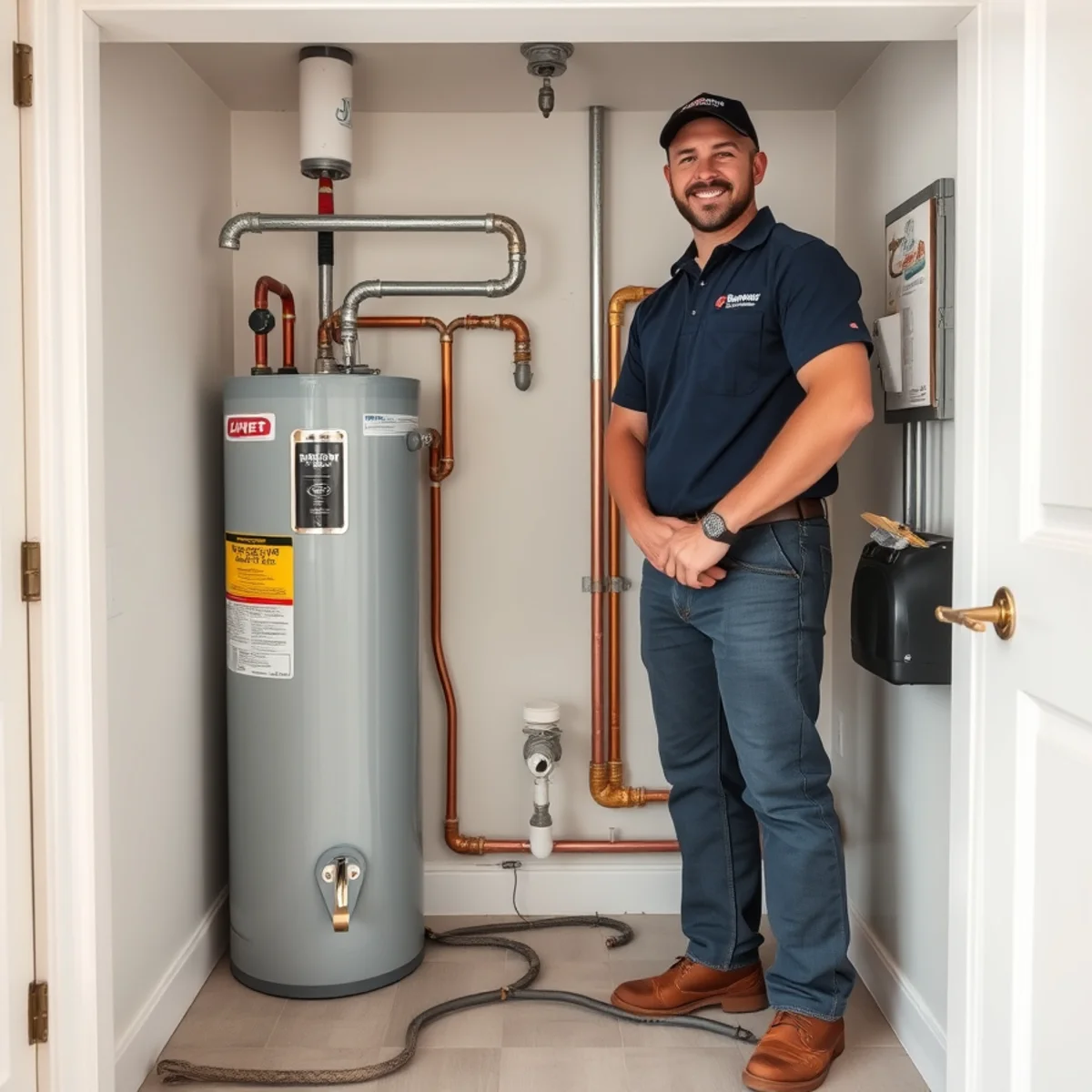
A new house has passed rough and final plumbing inspections, which means the work meets code. That is genuinely reassuring and it is also worth understanding precisely.
Code is a minimum standard for safety and function. It is not a specification for how a house should be set up to live with 26 to 28 grain water for the next thirty years, and it says nothing about whether the equipment installed is the equipment you would have chosen.
Huntley, Gilberts and Pingree Grove have seen enormous new construction volume, and the pattern in these homes is consistent enough to be worth a checklist — particularly while the builder warranty is still live.
1. Is there a water softener loop?
The single most important item, and the one most likely to be missing.
A softener loop is a pair of stubbed connections on the main line, with a nearby drain, ready for treatment equipment. Some builders include it as standard, some as an option nobody explained, and some not at all.
In this village a softener is effectively inevitable. Roughing the loop in during construction costs very little; cutting one into a finished house afterward — finding the main, opening a wall, running a drain with a proper air gap — costs considerably more.
Go and look. If there are two capped stubs near where the water line enters with a drain within reach, you have one. If not, price adding it now rather than after your first year of spotted glassware. See water softener installation for what a correctly sized system involves.
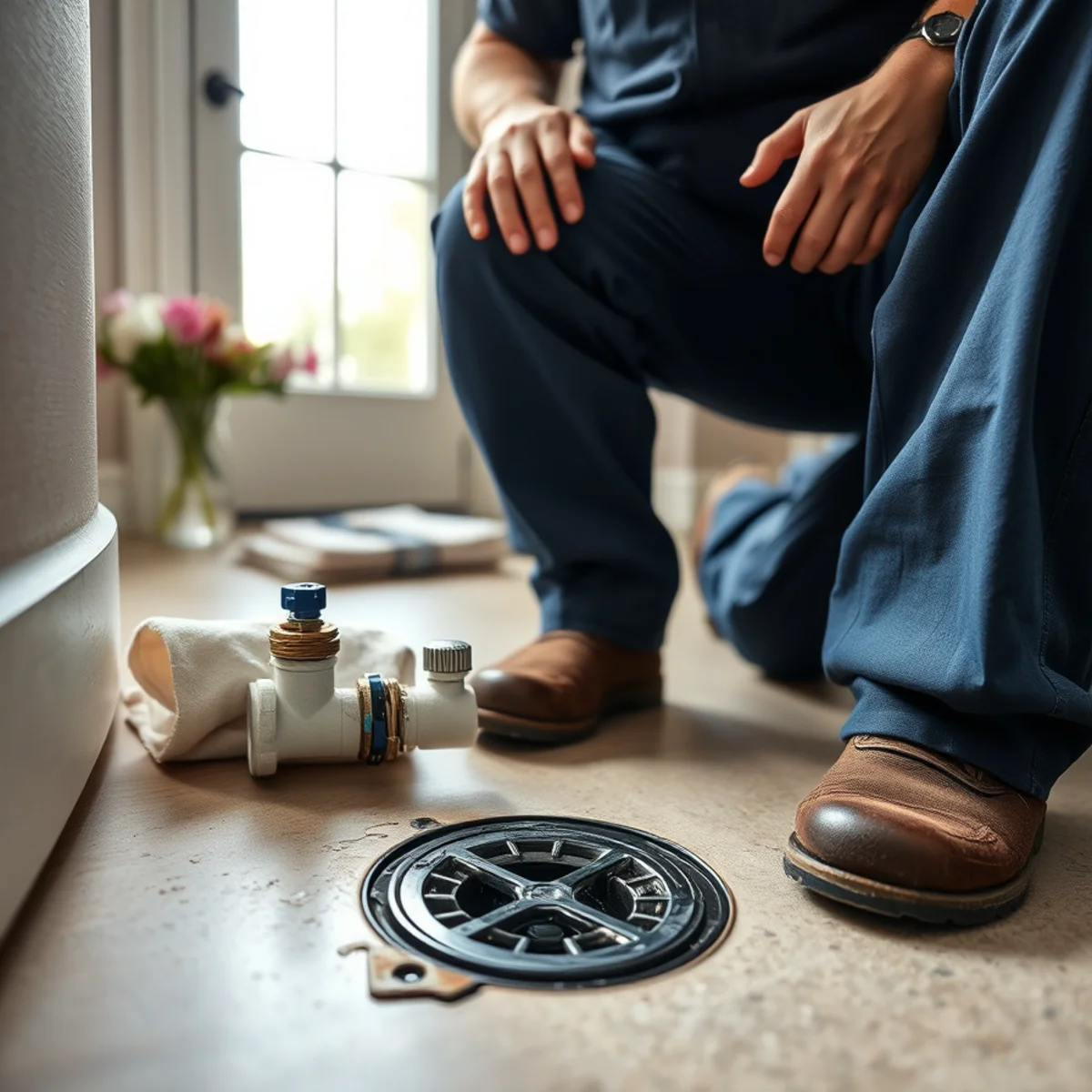
2. What softener did they actually install?
If your builder did include a softener, find its capacity rating before assuming you are set.
Builder-supplied units are chosen on price and specified against generic assumptions. A 32,000-grain unit in a four-person household at 27 grains has to regenerate almost daily just to keep up, which burns salt, exhausts the resin bed years early, and still lets hard water through during regeneration.
The arithmetic is simple: people times roughly 70 gallons per day times 27 grains. A family of four is around 7,500 grains daily, and you want the unit regenerating every three to five days rather than every one. If the numbers do not work, that is worth raising with the builder while the warranty conversation is still open.
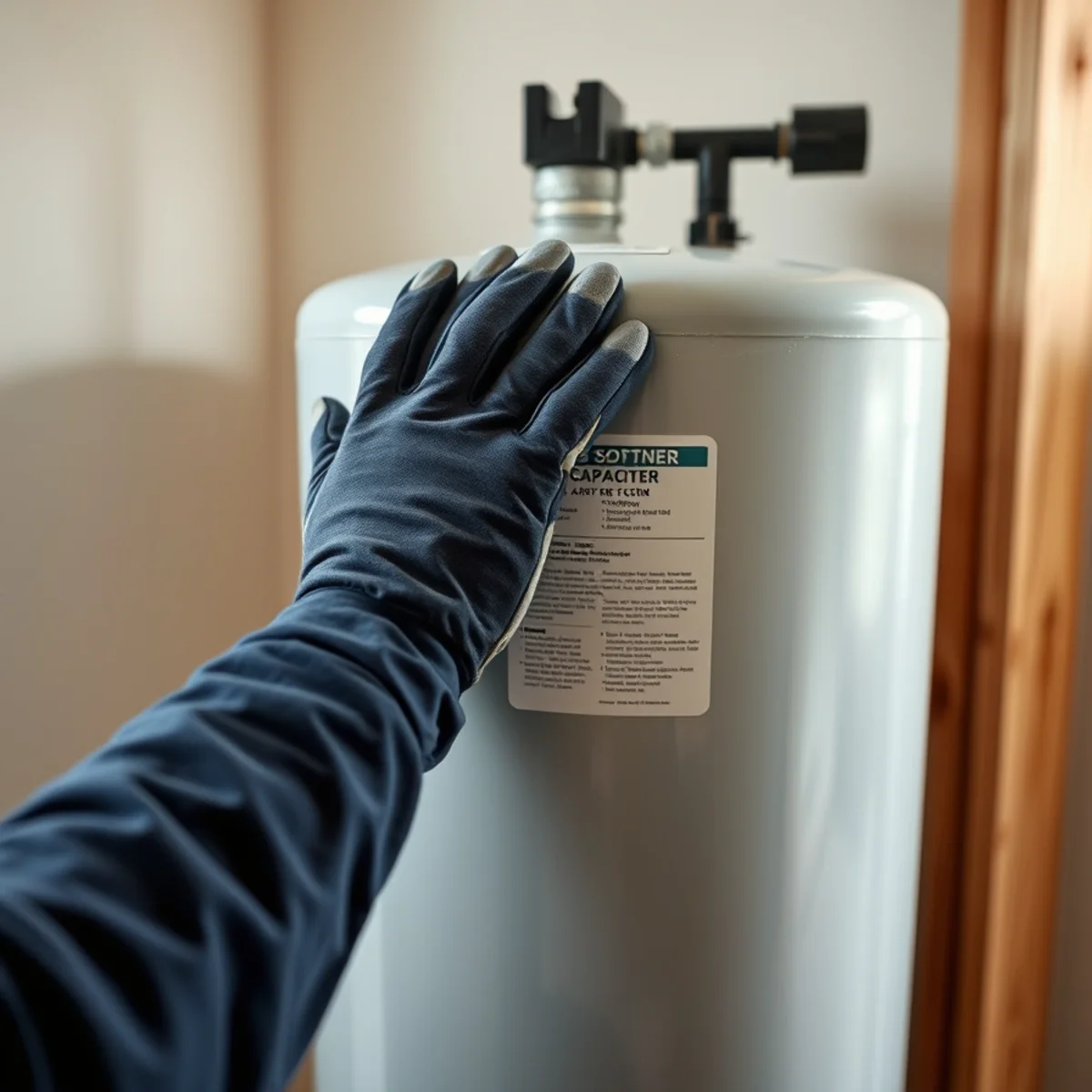
3. Test the sump system before you need it
New construction does not exempt a basement from a McHenry County spring. The clay soil under these subdivisions sheds meltwater the same way it does everywhere else in the county.
Builder-installed sump pumps are typically entry-grade — they work fine for several years and then fail on the first genuinely hard weekend, which is usually in April during a storm that has also taken out the power.
Test it now: five gallons into the pit, and it should start within about ten seconds and shut off cleanly. Then go outside and follow the discharge. If it dumps three feet from the foundation onto clay, it is recirculating. And if you plan to finish the basement — which most people in these subdivisions eventually do — a battery backup belongs in that budget from the start.
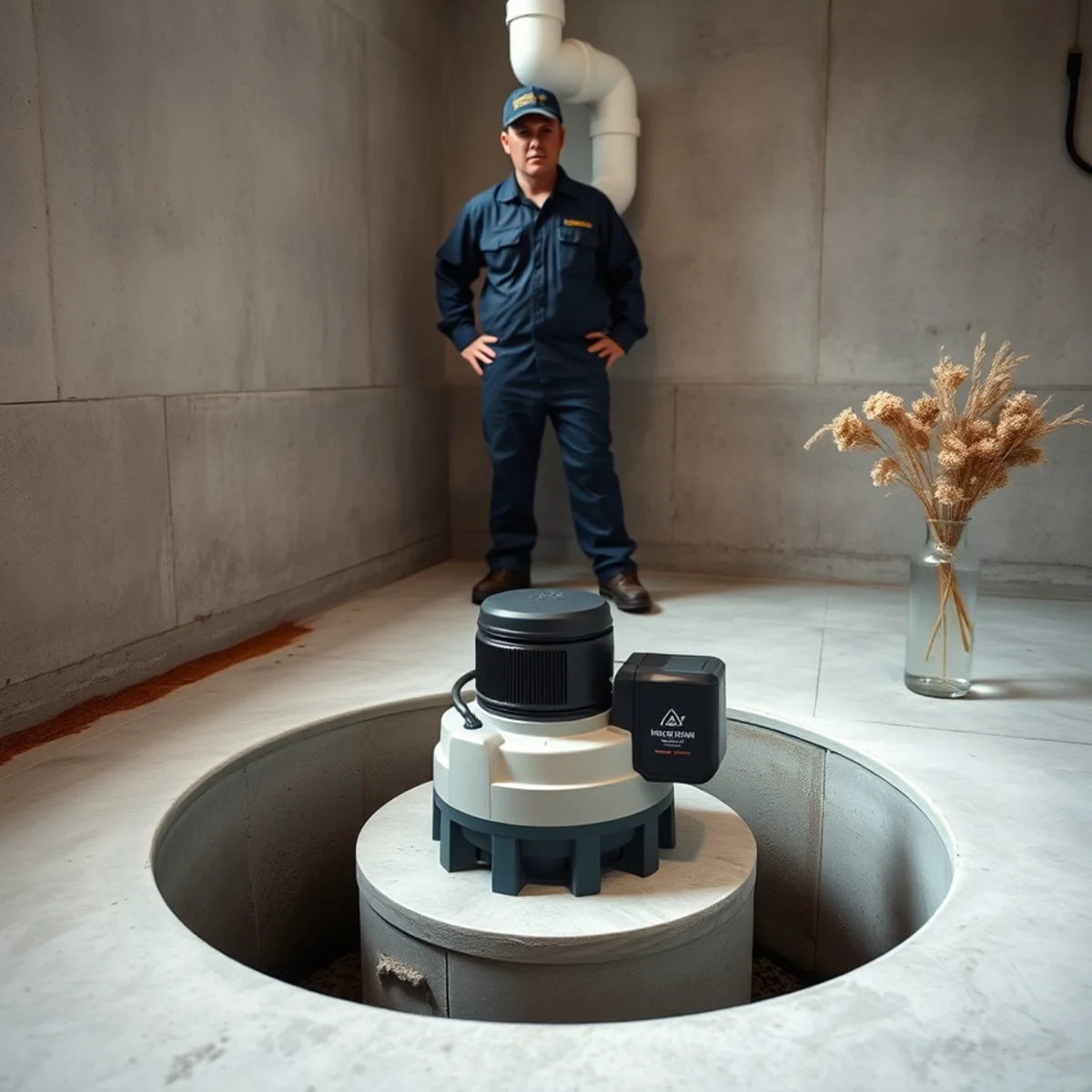
4. Walk the shutoffs
Find the main shutoff and turn it. Not later — now, while everything is new and moving freely, and while you can establish that it works.
Then find the stop valves under every sink and behind every toilet, and confirm they are quarter-turn ball valves rather than multi-turn stops. Quarter-turns are far more reliable in hard water, and if your builder used cheaper multi-turn valves throughout, that is worth knowing.
Label the main shutoff and show everyone in the house. The most useful plumbing knowledge in any home is where the valve is and that it turns, and the best time to establish both is a calm afternoon rather than during a failure.
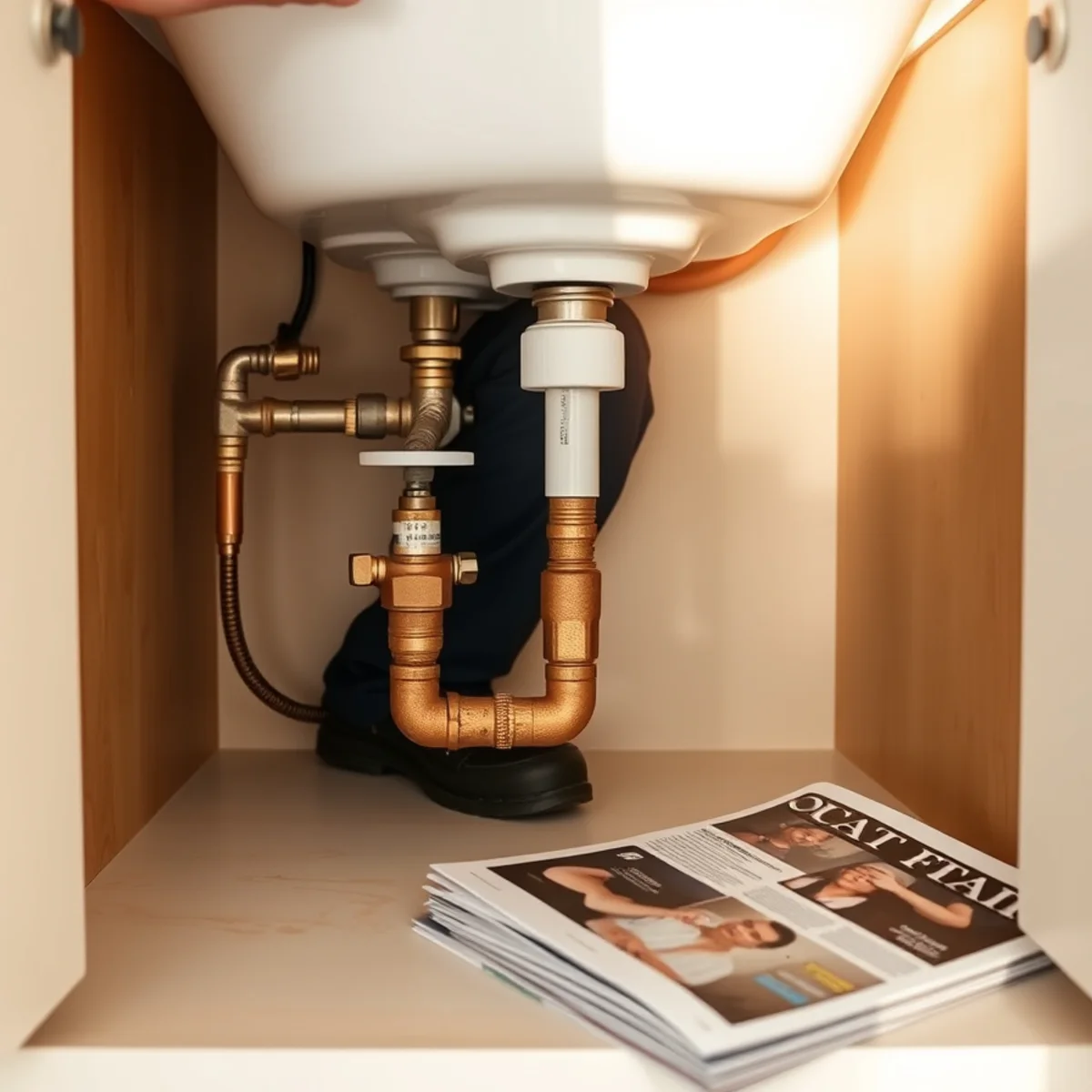
5. Check the water heater setup
Look for three things beyond the tank itself.
An expansion tank on the cold inlet. New homes are typically closed systems, and without a working expansion tank the relief valve will eventually weep as heated water has nowhere to expand. It should be there; occasionally it is not.
A drain pan and a drain line, if the heater sits anywhere that water would do damage. In a utility closet on a main floor this matters a great deal.
Accessible unions and an anode port you can actually reach. In this water you will want to replace the anode rod around year three, and a unit installed tight against a wall with no clearance makes routine maintenance into a job.
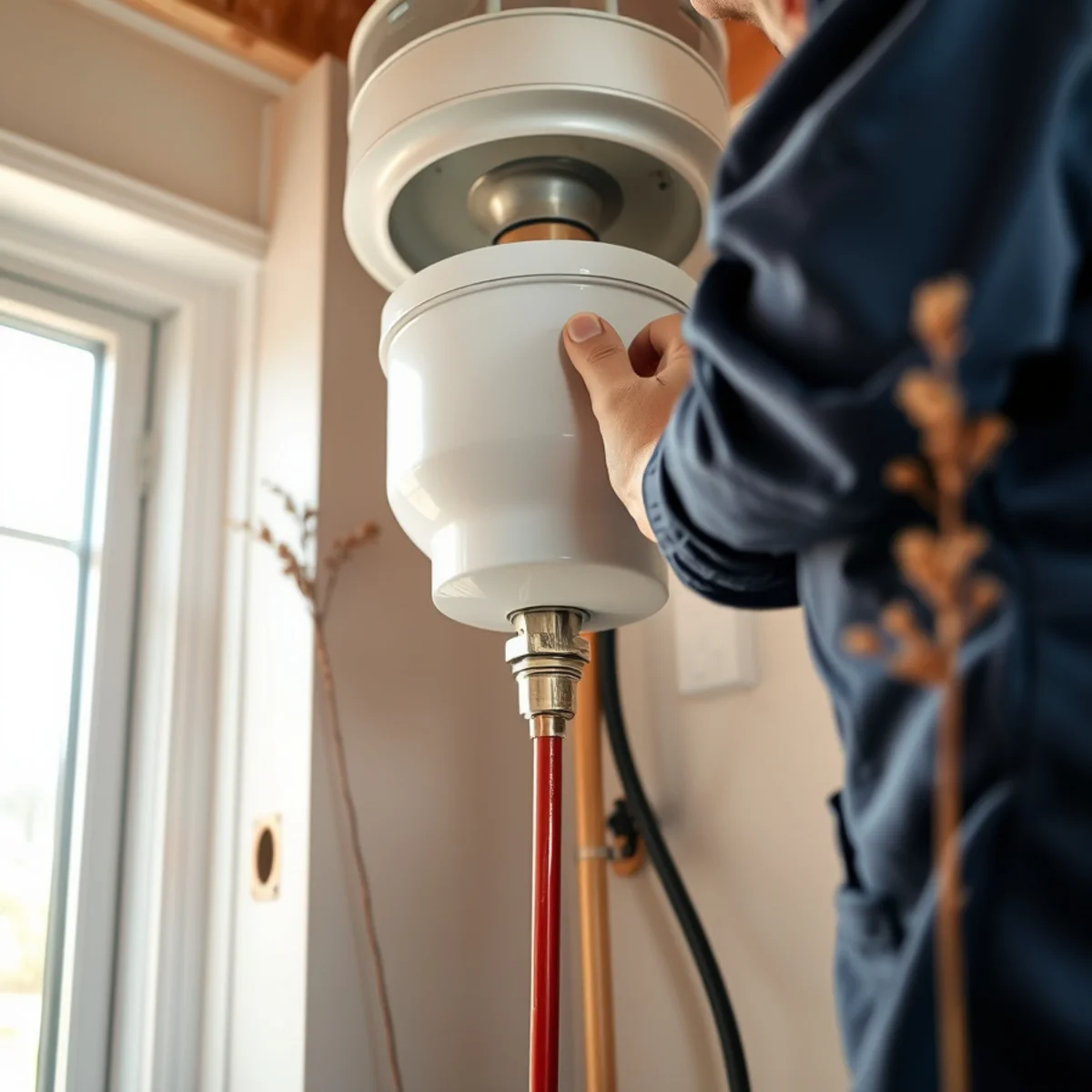
6. Use the warranty window deliberately
Most builder warranties cover workmanship for a limited period, and plumbing items are usually within scope. The window closes faster than people expect.
In the first few months, run everything hard and note anything that is not right: a fixture that drips, a drain that gurgles, a toilet that rocks slightly, hot water that takes an unreasonable time to reach a far bathroom, a shower that swings temperature when another fixture runs. Report each one in writing rather than mentioning it to whoever is on site.
Gurgling deserves particular attention, because it usually indicates a venting problem — and venting is exactly the sort of thing that is cheap to correct under warranty and expensive to correct afterward.
If you want an independent read before the window closes, we will walk a new build and give you an honest assessment. Nothing about that visit is adversarial toward your builder; it just means the items that should be raised get raised while somebody else is still responsible for them. Our new construction plumbing page covers how we build when it is our job from the start.

Quick answers
Does a new home need a water softener in Huntley?
In practice, yes. Local water runs 26 to 28 grains per gallon and it shortens the life of water heaters, dishwashers, washing machines and fixture valves regardless of how new the house is. The question is whether the builder left you a loop for one.
What plumbing should I check in a new construction home?
Whether there is a softener loop and whether any installed softener is adequately sized; that the sump pump works and the discharge is routed properly; that the main shutoff turns; and that the water heater has an expansion tank and an accessible anode port.
My new house's drains gurgle. Is that normal?
No. Gurgling usually means a venting problem — air being pulled through a trap because the drain cannot breathe properly. Report it in writing while the builder warranty is live, because it is far cheaper to correct then.
Need a hand with this?
Talk to the plumber who wrote this
We are a licensed, owner-operated shop on Pine Street in Lake in the Hills. Free written estimates on non-emergency work, and a real person answering the phone when it cannot wait.
- 5.0 from 11 Google reviews
- Licensed & insured
- 24/7 emergency service